



Stress is not bad.
Life involves stress, and working from a brain-based or trauma-sensitive lens does not mean removing all stressors. In fact, our stress response gives us the cortisol and adrenaline we need for navigating daily life. The little bit of oomph provided by those get-stuff-done chemicals is often very helpful!
The problem comes when our brains and bodies never get the message that the stressful moment is over.
>> Brain Goggles On
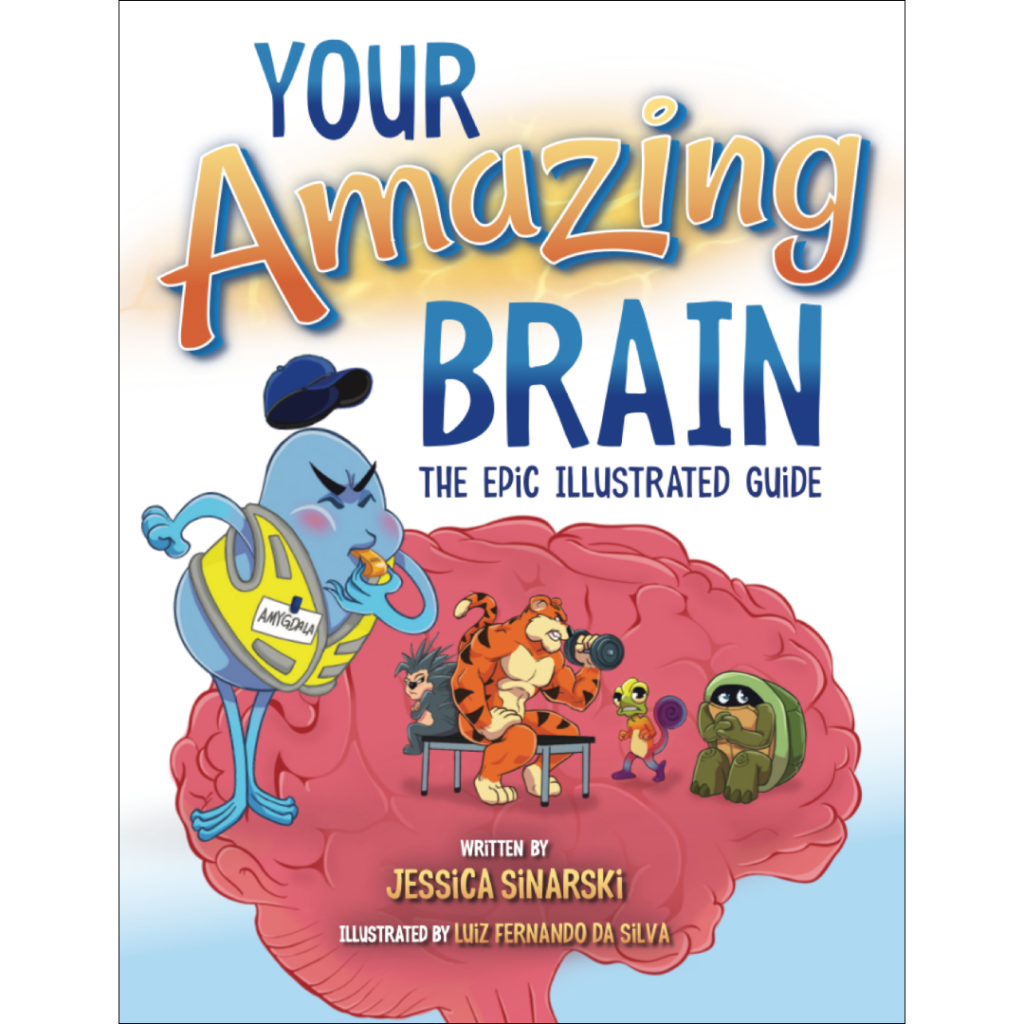
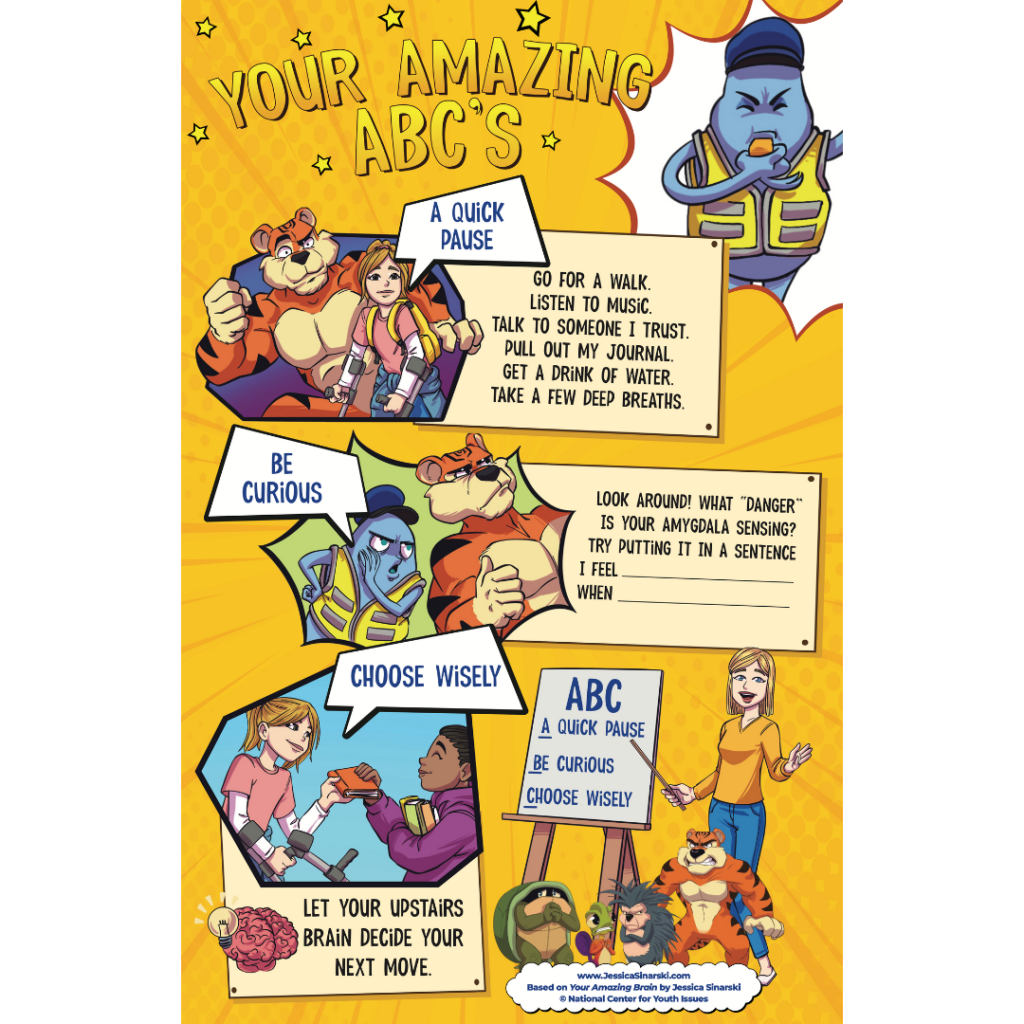
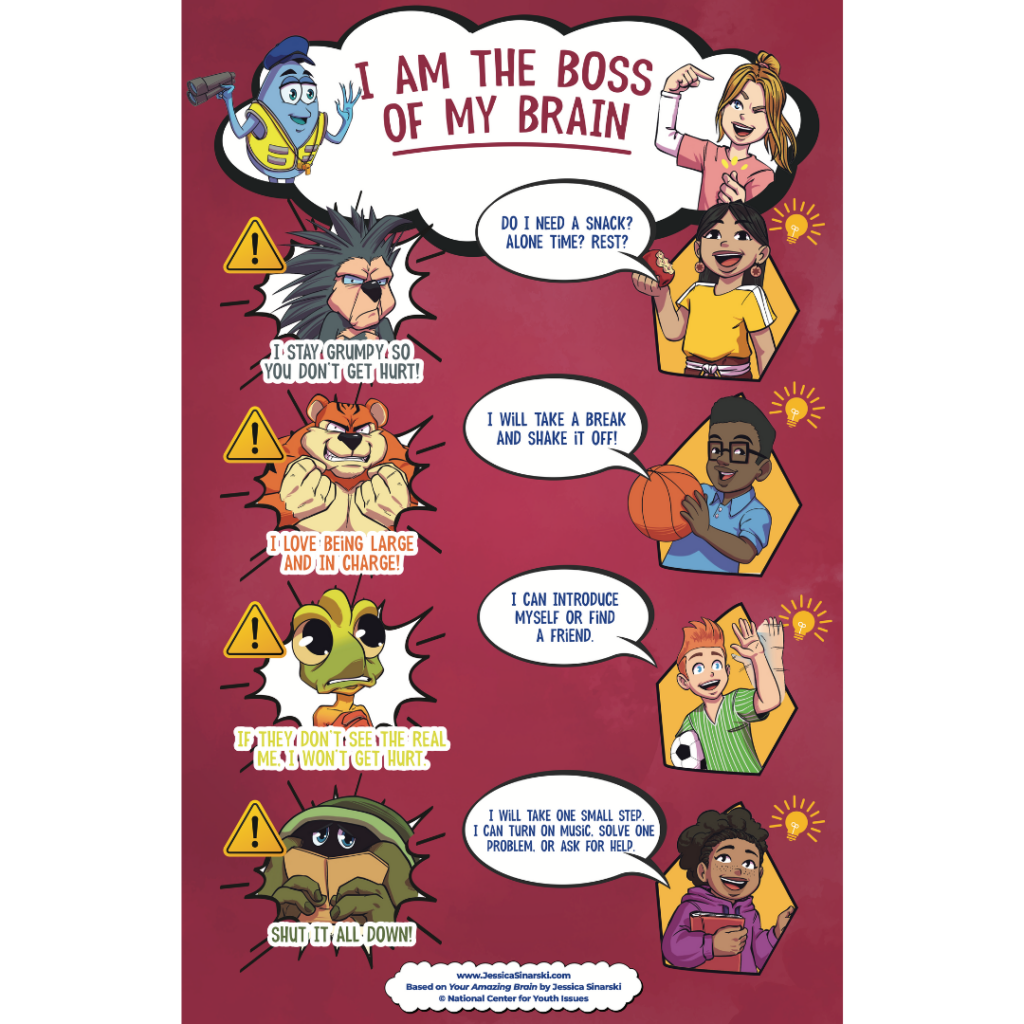
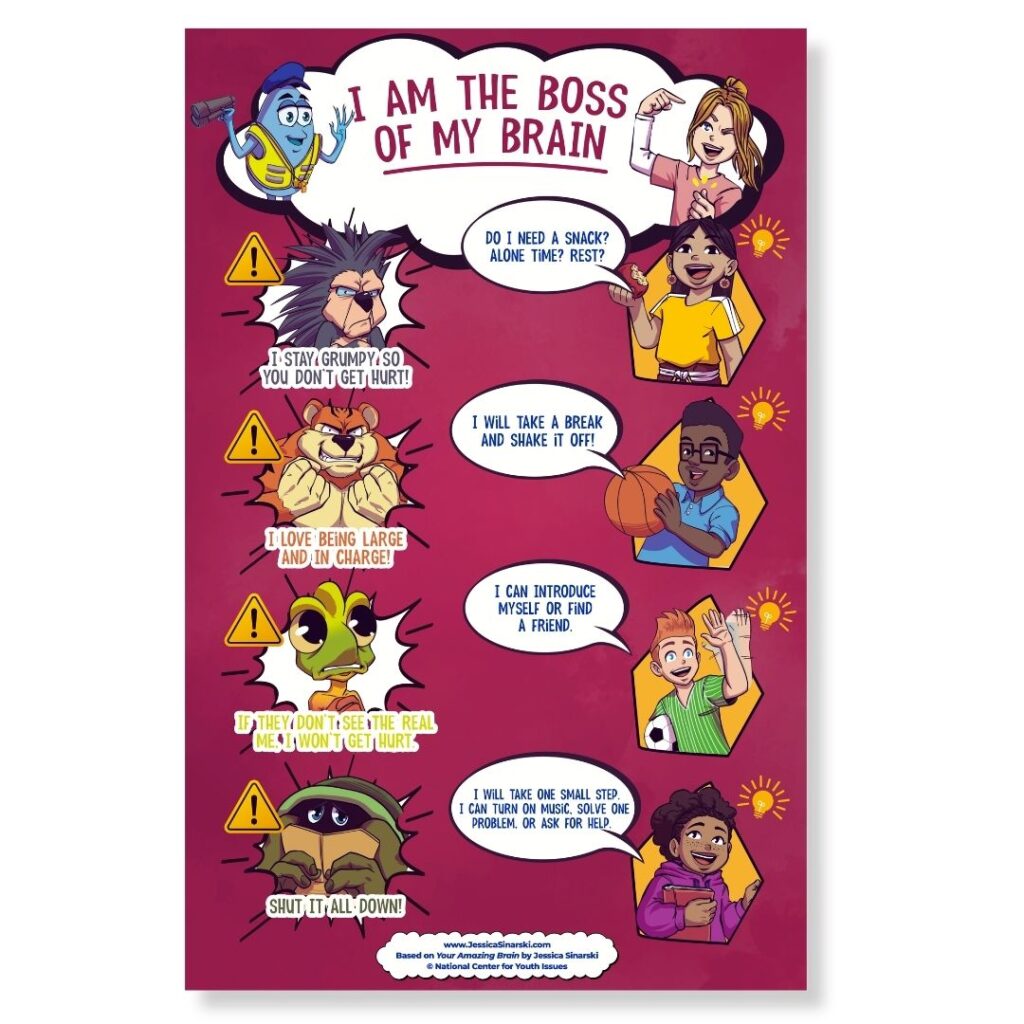
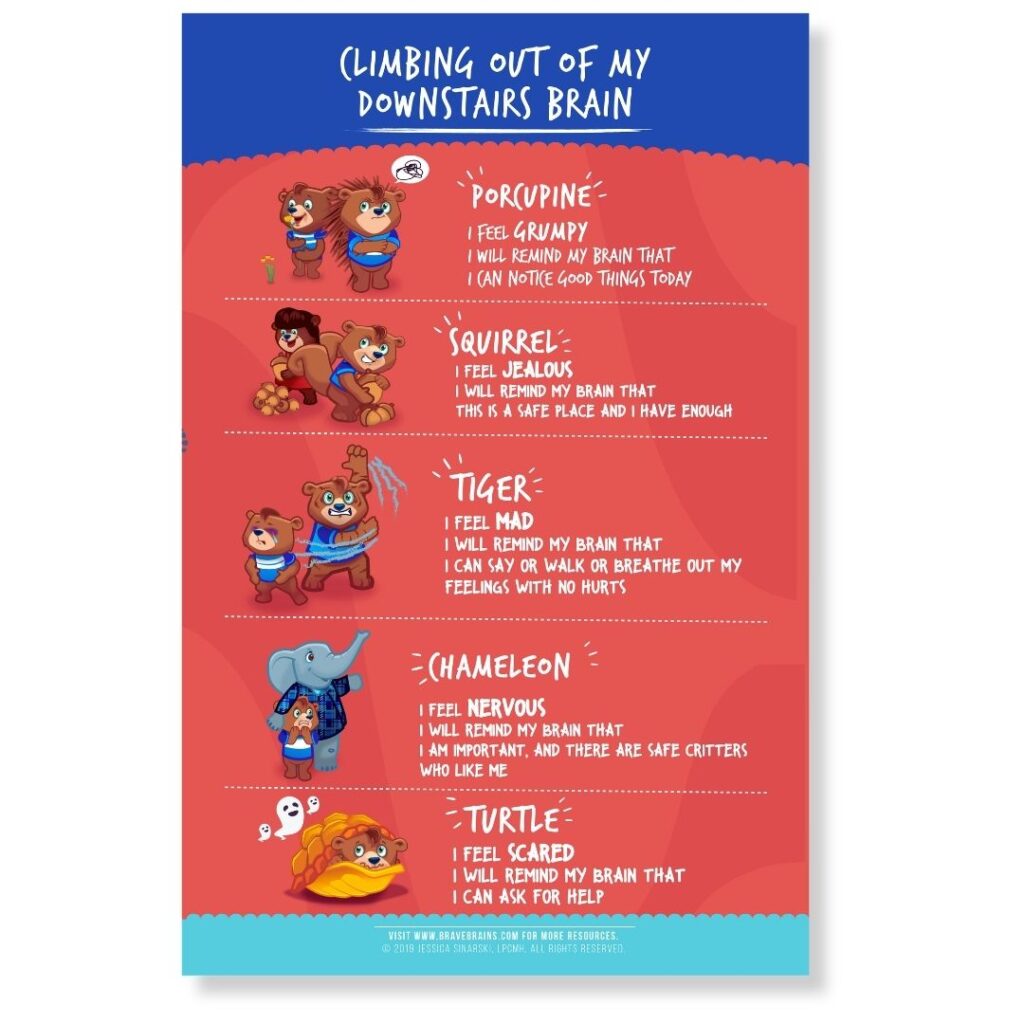
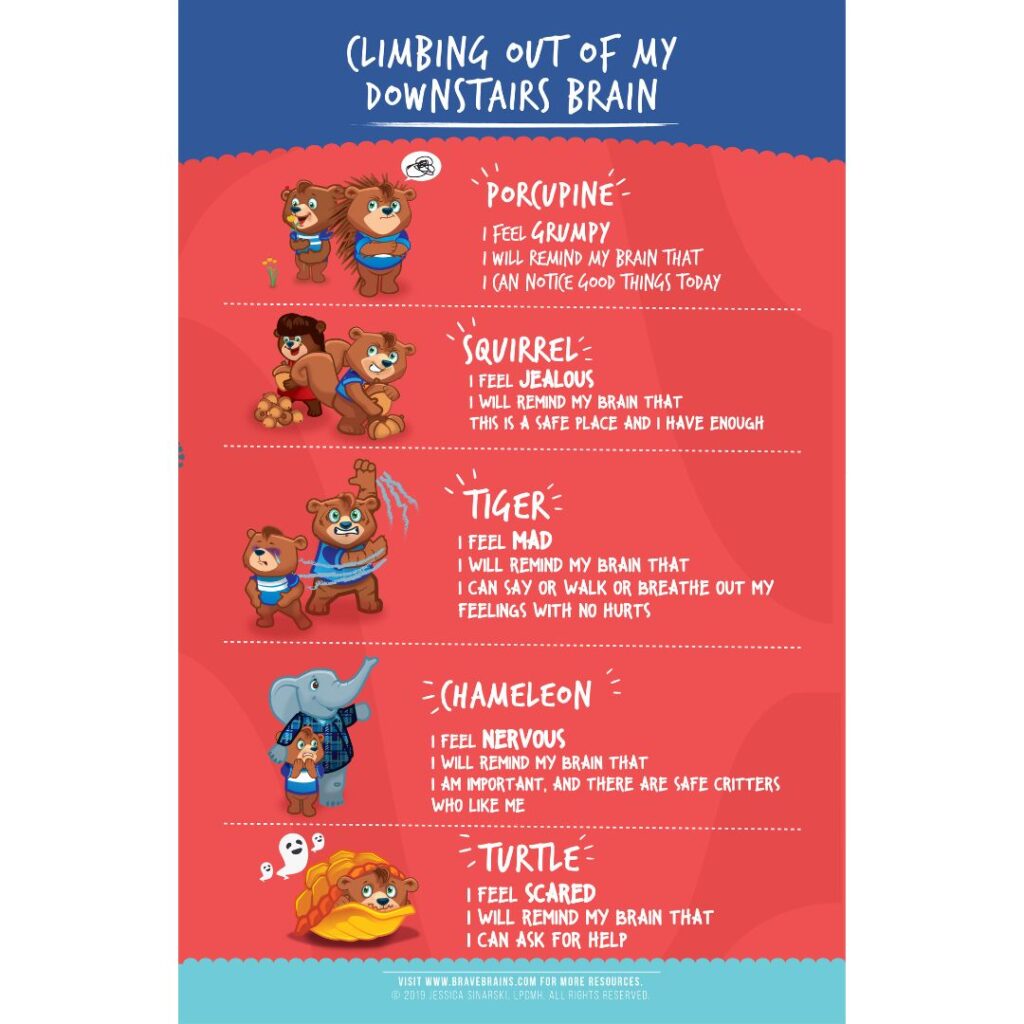
Think of it this way: If you are running late to get out the door in the morning, your heart rate and breathing speed up, tension builds, and your Porcupine quills might come out when your daughter still doesn’t have her shoes on.
Once she’s finally on the bus and you are on your way to work, the stressor of getting out the door is over…but your body and brain may still be pumping all those activating signals back and forth.
As Burnout authors Nagoski & Nagoski put it: “Just because you’ve dealt with the stressor doesn’t mean you’ve dealt with the stress.”
So, without realizing it, we often end up moving from one stressful moment to the next without the stress ever leaving our bodies and brains unless we complete the stress cycle.
Let me say that again.
Stress doesn’t disappear just because a stressor is gone.
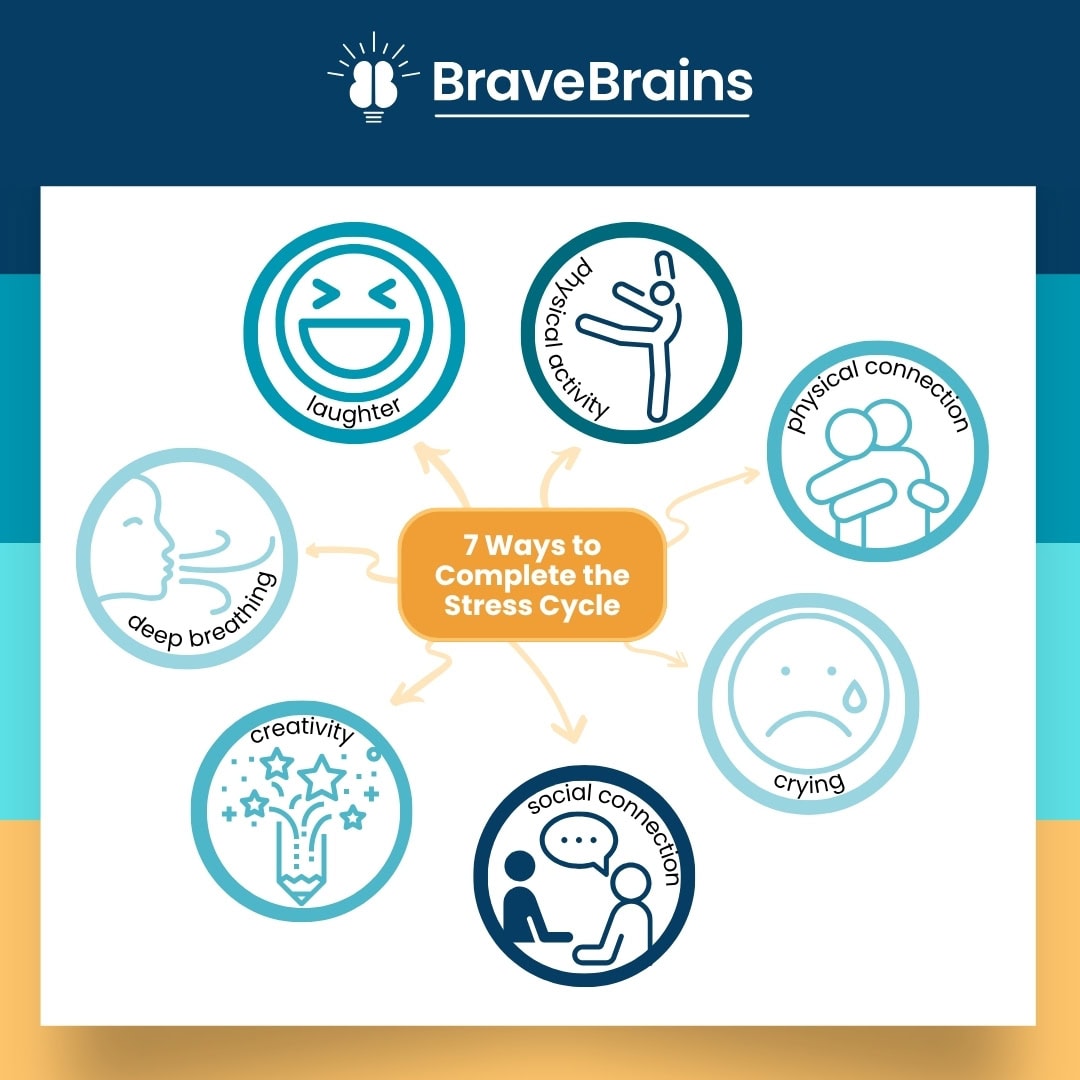
When our nervous systems activate, our brains and bodies need ways to release and settle those stress signals instead of carrying them into the next hard moment.
>> Try This
Want to hear more about completing the stress cycle?
This conversation between Brené Brown and Emily & Amelia Nagoski is a great next step. They unpack why stress can linger in the body even after the stressor is gone—and why things like movement, breathing, laughter, connection, crying, and creativity can help us move through it.
Fair warning: there are a few spicy bits, so maybe don’t play this one over the school intercom. But if burnout, stress, and emotional exhaustion have been part of your world lately, it’s worth a listen.
>> De-Stress Cheat Sheet
One of the things I’ve learned the hard way is that stress support works better when it’s realistic. Not a perfect routine (because ‘perfect’ is not actually a thing). Not pretending we suddenly have endless time for self-care.
Just small, repeatable ways to help our nervous systems release stress and return to steadiness.
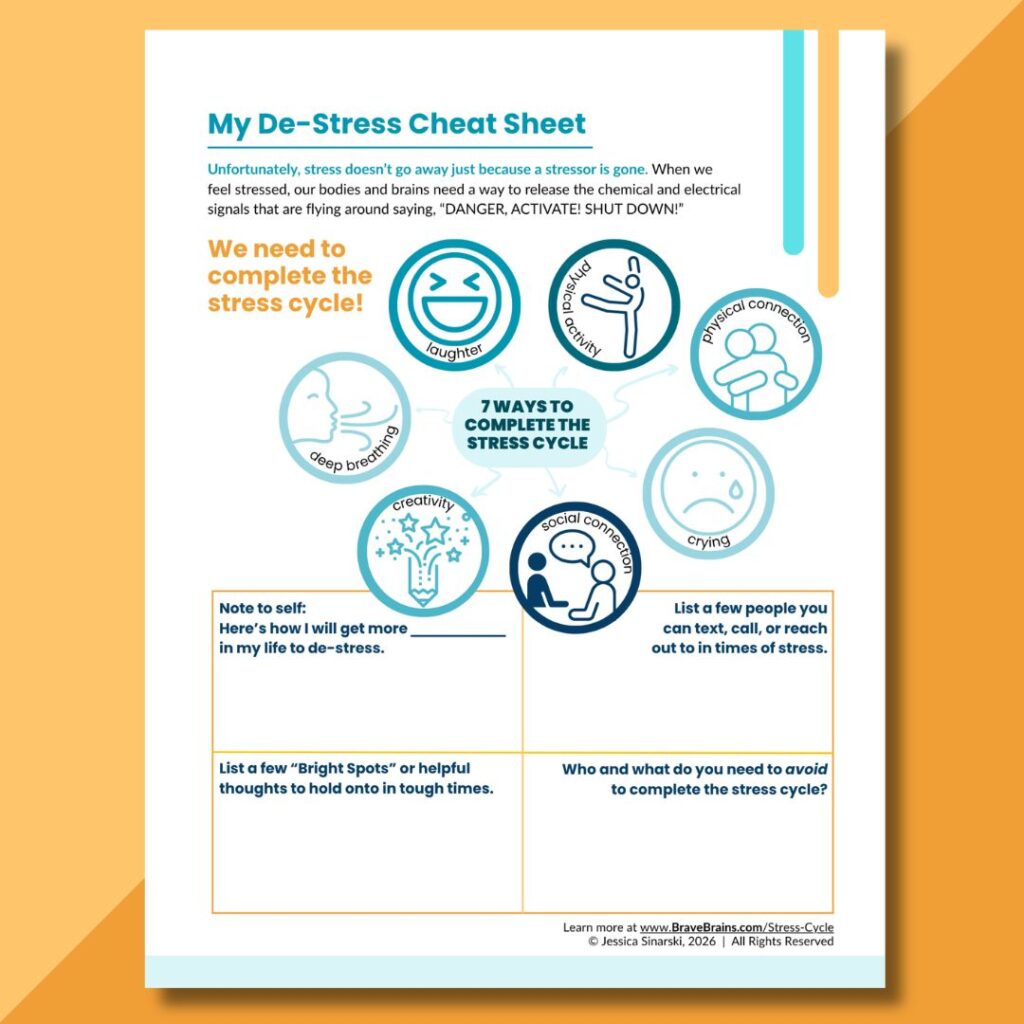
That’s the idea behind this personalized De-Stress Cheat Sheet.
Inside, you’ll find simple ways to:
- complete the stress cycle
- notice what genuinely helps your nervous system
- identify bright spots and supportive people
- and gather a few small supports you can return to when life feels heavy
Some people keep it on the fridge. Others tuck it into a planner, share it with a trusted friend, or bring it to their whole team or counseling group.
Sometimes just having the language and structure in front of us helps us remember:
“Oh right. My nervous system needs support too.”
Find the free personalized De-Stress Cheat Sheet in the Powerful Printables library.
>> Go Further
Stress management is one of the foundational building blocks for learning. It directly impacts behavior—for kids and adults.
That’s one of the core ideas behind our work at BraveBrains: when we understand what stress does to the brain and nervous system, it becomes easier to respond with more steadiness, compassion, and practical next steps.
Curious about the BRAVE Framework and the Behavior Rewired approach? Learn more at BraveBrains.com/BRAVE