




It started as a peaceful Sunday morning.
Quiet mornings in my living room are a special treat in my rather loud house. I’d woken up early (with you on my mind, actually) and was making good progress on a new resource when one of my kids shuffled into the living room. He fiddled around for a bit, then wandered into the kitchen to make some breakfast. I kept tapping away at my keyboard, enjoying the calm…
Until it wasn’t calm anymore.
First, it was a random interruption, some little “emergency” that needed my help. Then he started poking at the keys on my computer. Then he was off to bug his brother. The straw about to break the camel’s back: eating candy that definitely wasn’t his.
I could feel my lid starting to flip.
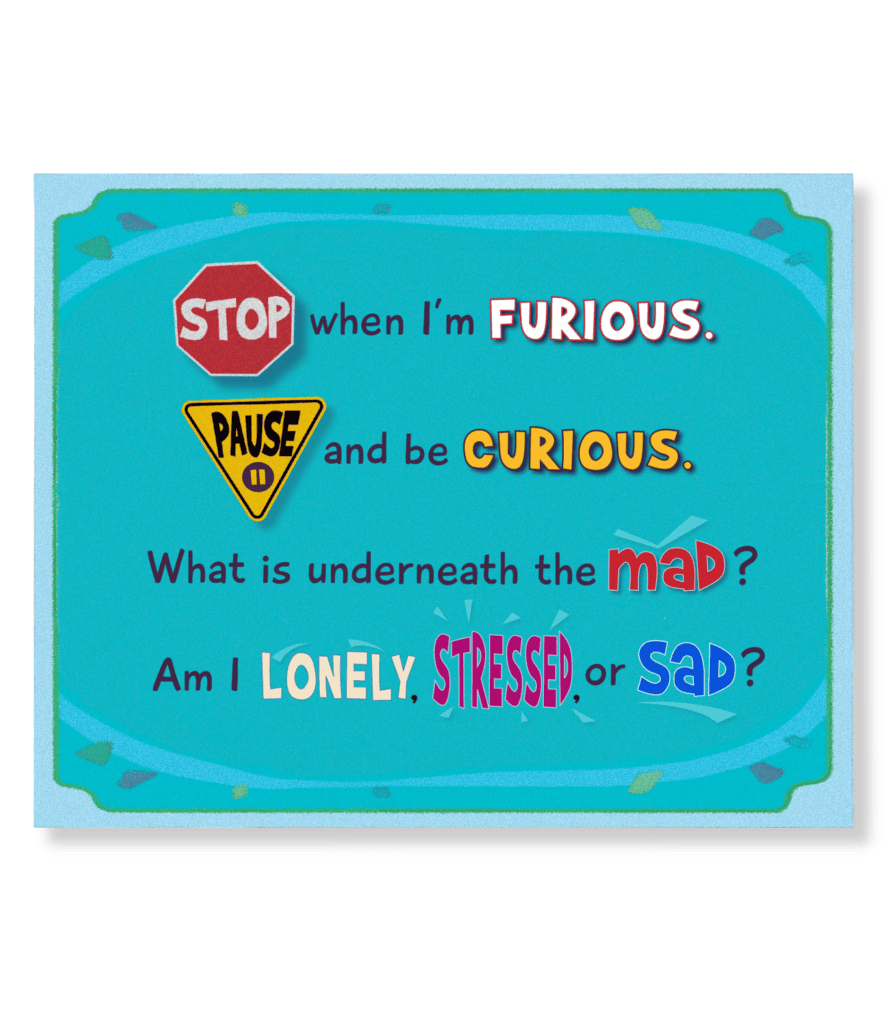
But somewhere in the swirl of irritation, I paused and realized: Underneath the not-so-great behavior, he was really just asking for a need to be met.
So, I closed my laptop, walked over, and said with a little lightness in my voice:
“Hey, I think you’re asking for some attention. I’m here for ya, babe. Let’s reset and try again.”
>> Brain Goggles On
Whether it’s your own child, a student in your class, or a client in your office, “attention-seeking behavior” can really push our buttons.
But what if “attention-seeking” is really connection-seeking? Or a nervous system asking for help the only way it knows how?
That doesn’t mean adults should ignore their own limits or magically become available every second of the day. But when we can see the need underneath the behavior, it becomes easier to respond from our Upstairs Brains rather than getting pulled straight into shame, punishment, or power struggles.
Sometimes, the need is pretty obvious, like the story I just shared. Other times, it’s more layered.
Remember: all behavior comes from the brain. While it would have been easy to focus only on the “behavior” of stealing, that wouldn’t have solved the bigger problem.
Here are a few common needs beneath “just doing it for attention” behaviors:
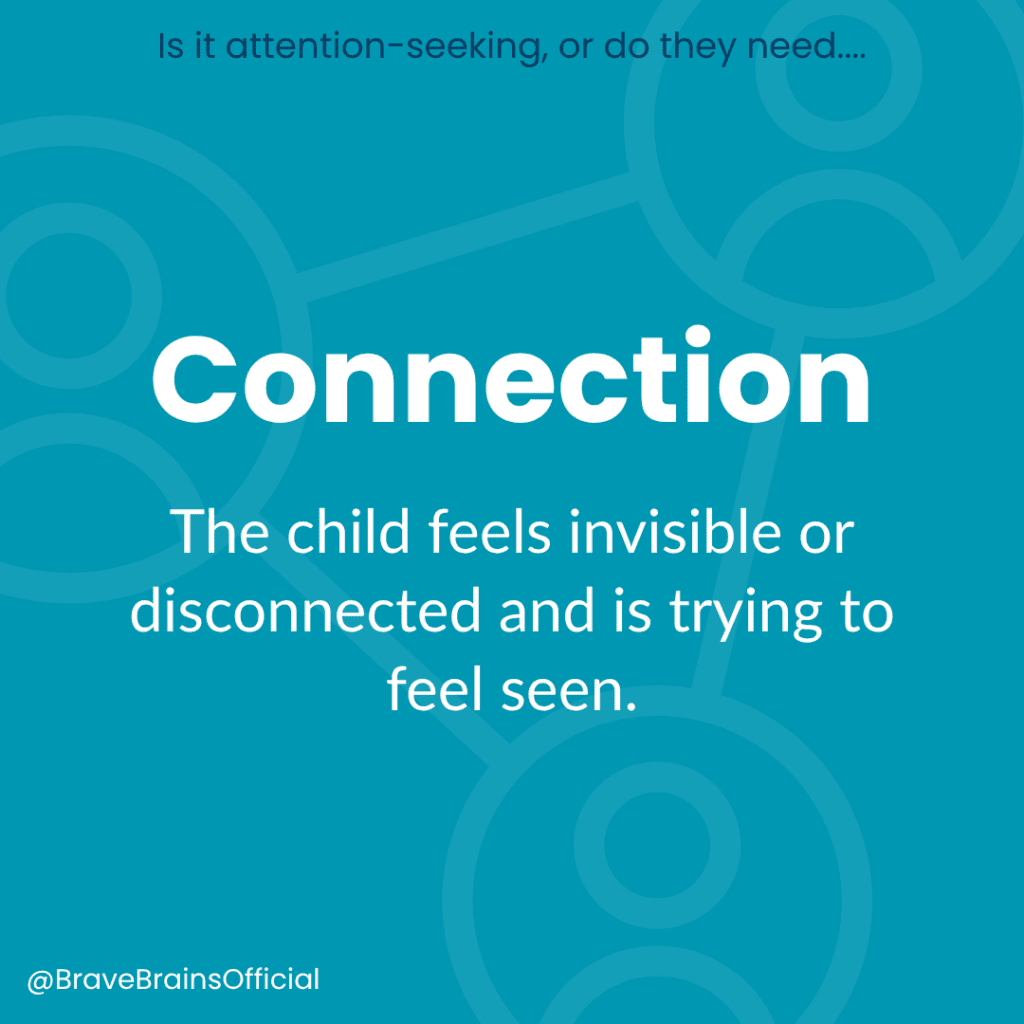
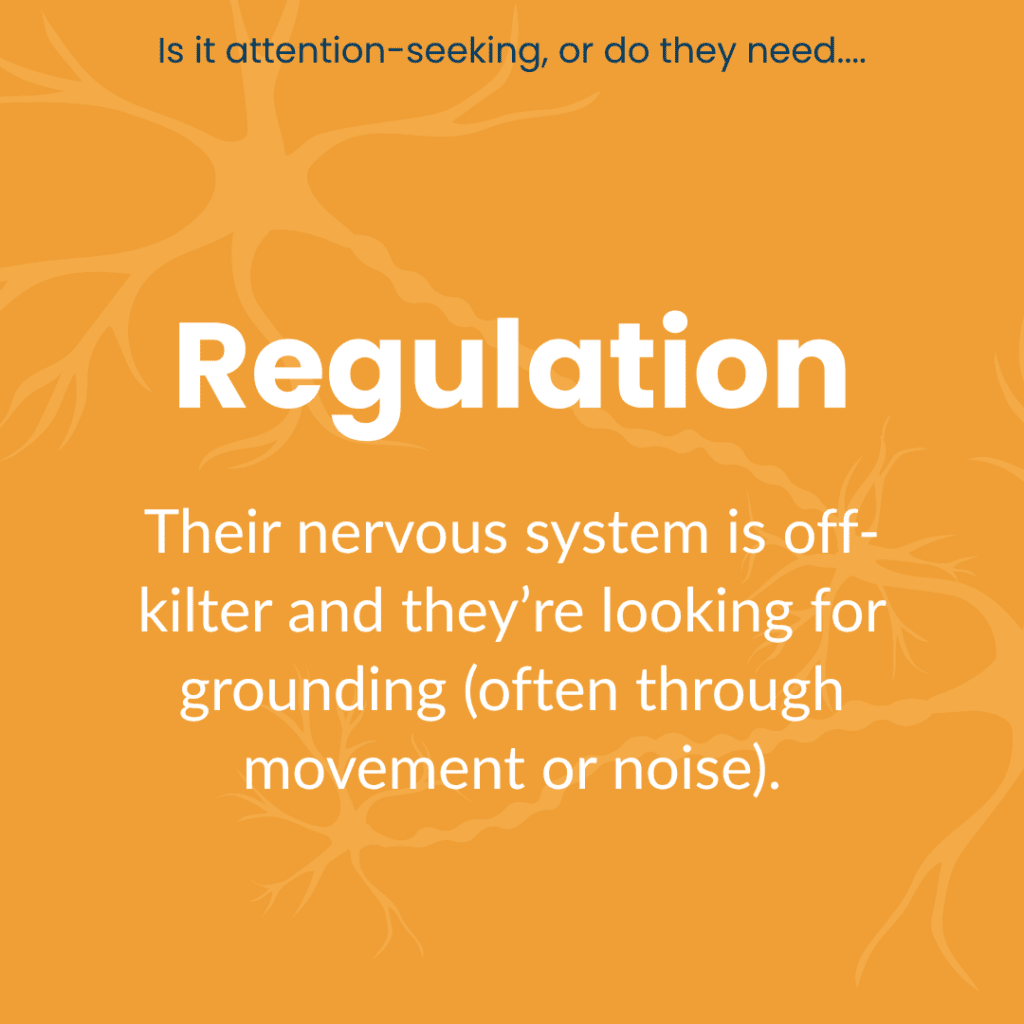
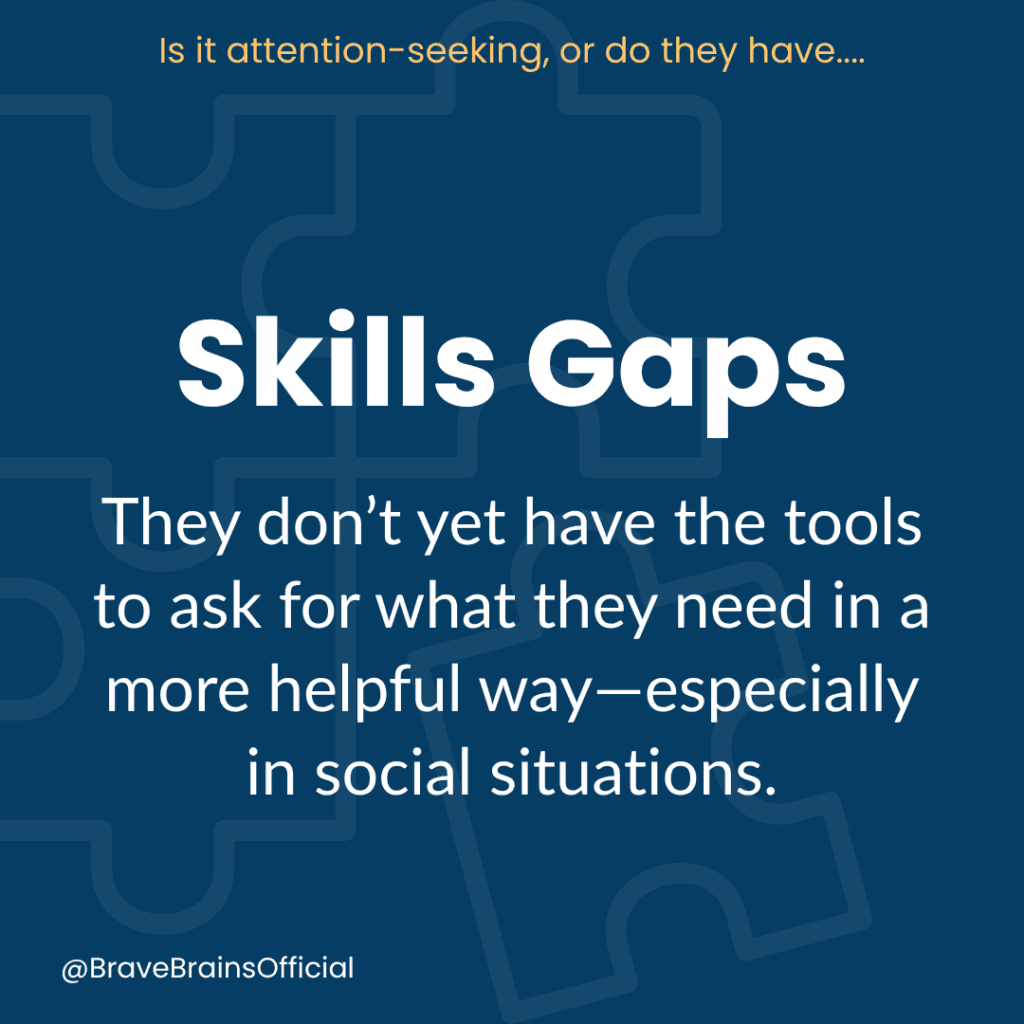
And while you certainly don’t have to diagnose which root it is every time, keeping these possibilities in mind helps us shift from, “How do I make this stop?” to:
“What might this behavior be telling me?”
>> Try This: Simple Shifts to Meet the Need
Once you pause to consider the need behind the behavior, here are a few simple shifts to try:
If the Need is Connection…
- Make small “connection deposits” preemptively. A wink, a quick shoulder squeeze, calling them by a nickname, or providing a few minutes of undivided attention before a transition can help meet that need before the behavior ramps up.
- Name the need without shame. Use simple, matter-of-fact language (perhaps with a little playfulness) to lower defensiveness and build awareness over time. Try: “I think your brain might be asking for some attention right now” or “Oops. Before we do something we regret, can I help?”
If the Need is Regulation…
- Add movement before a meltdown. Build in big muscle breaks like wall pushes, super jumps, or “shake it out” dance breaks, especially before times that require sitting still.
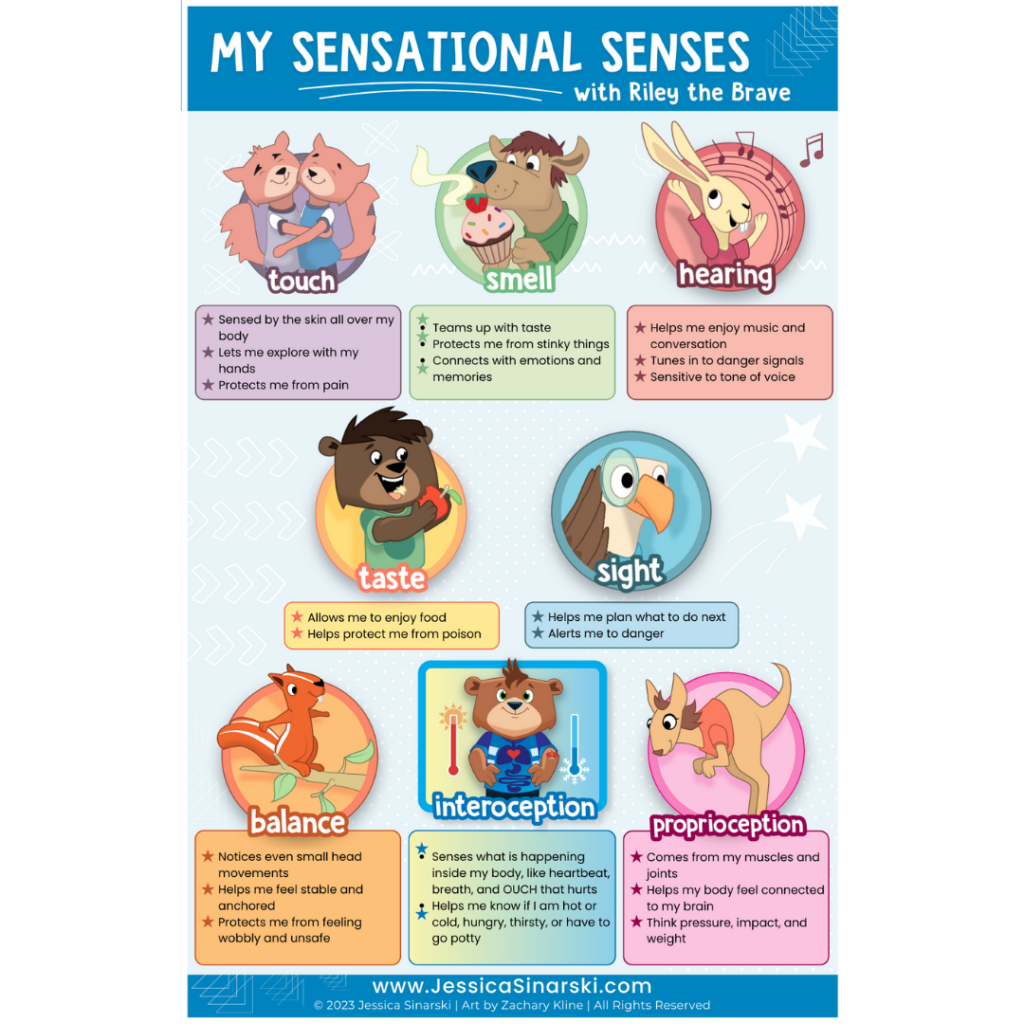
- Keep sensory tools within reach. Wiggle seats, chewy jewelry or gum, fidget tools, or a yard of lycra can help kids get their needs met in ways that are more helpful and less disruptive.
If the Need is Skills…
- Teach a cleaner ask. Many kids genuinely don’t know how to ask for connection, play, help, or reassurance in direct ways. Model the words they could say instead, such as: “Can I have a minute with you?” “Will you play with me?” or “I’m feeling left out.” This is exactly the kind of concrete skill building many kids need.
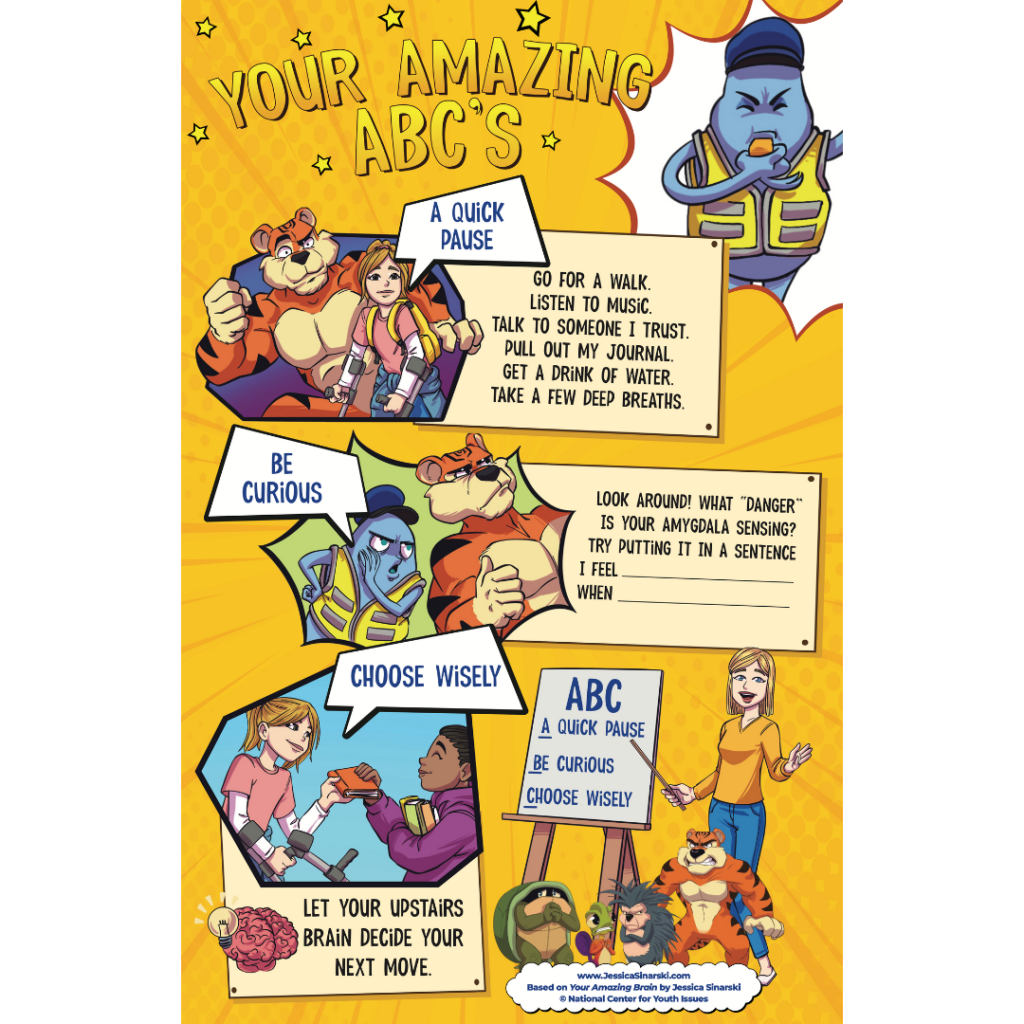
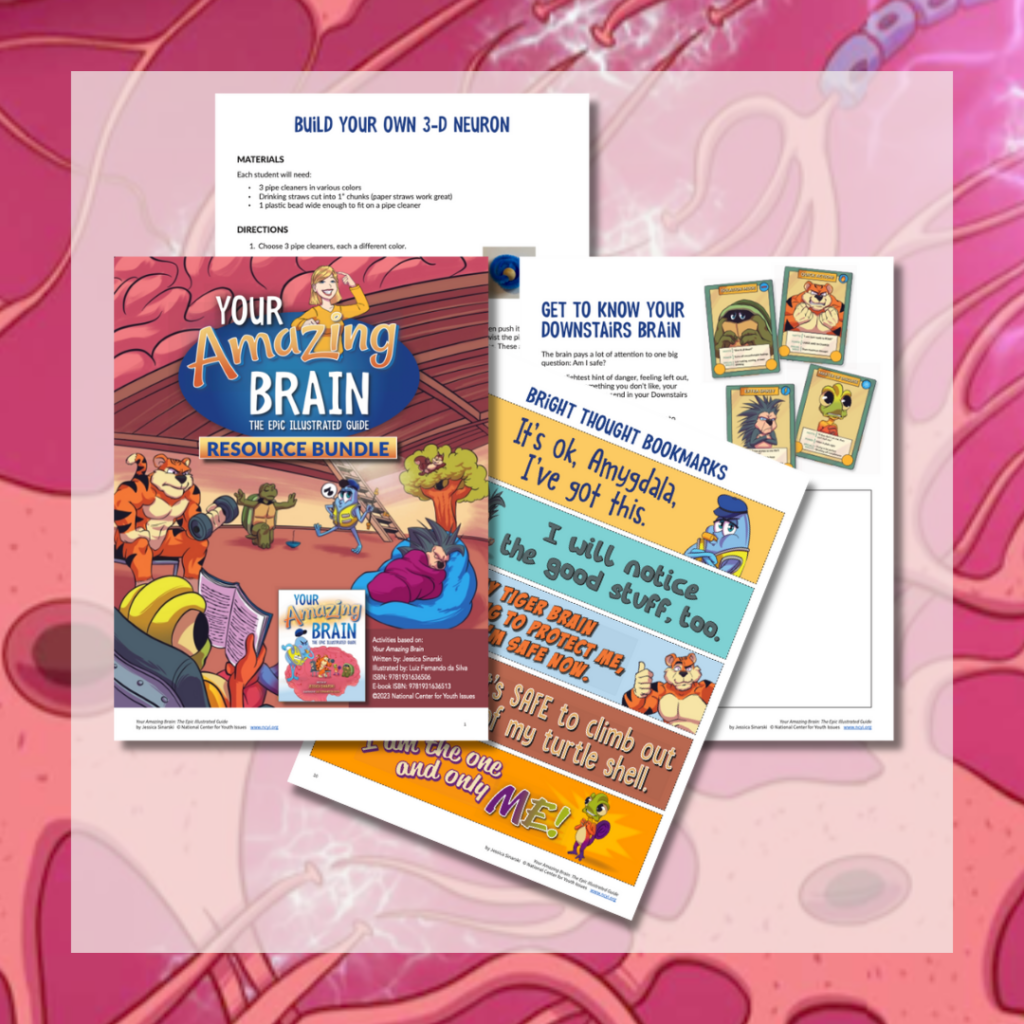
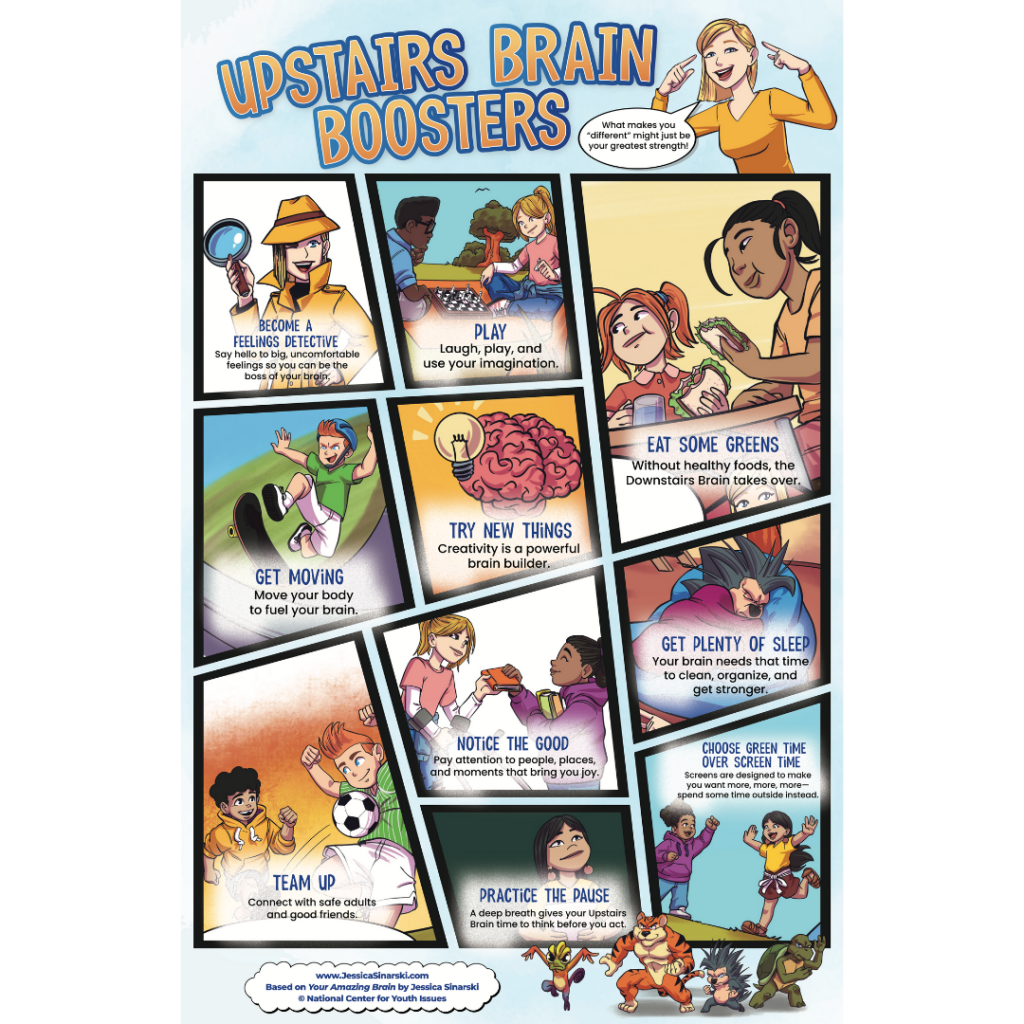
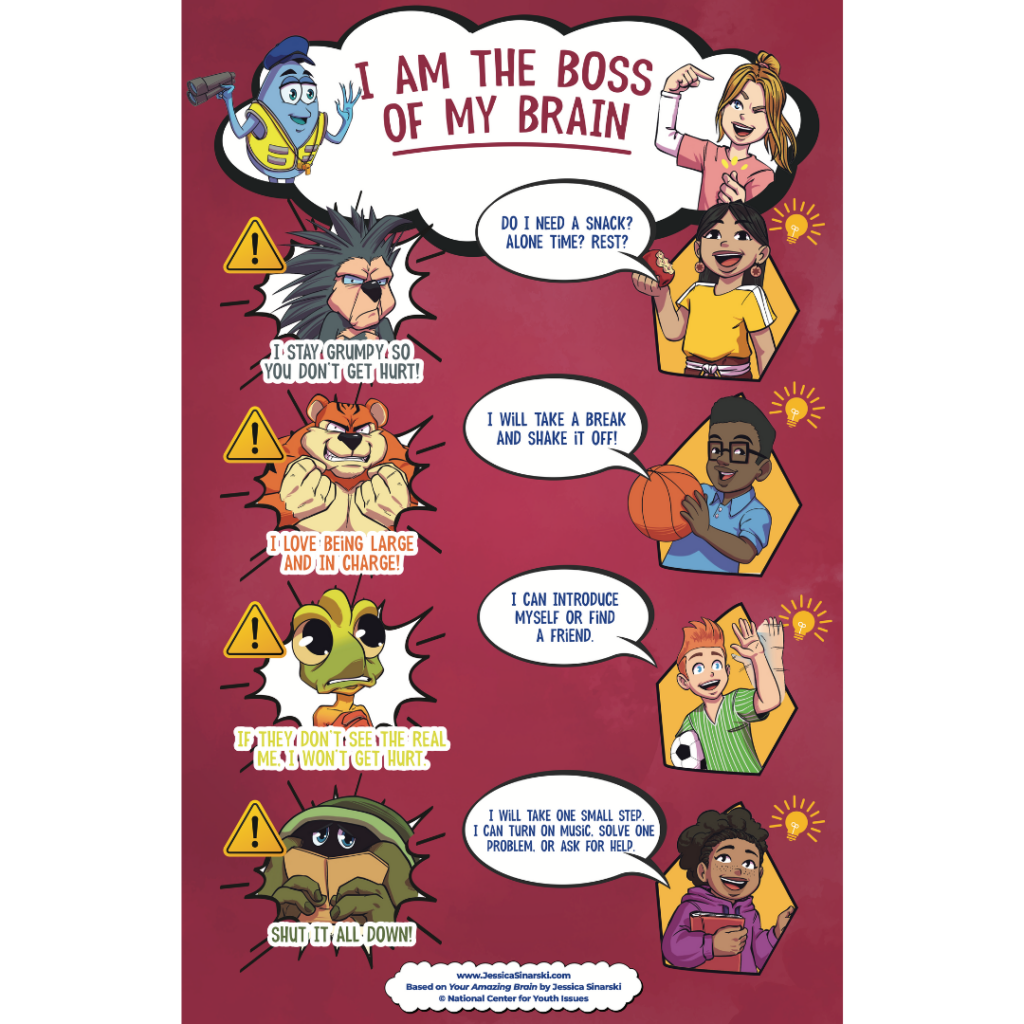
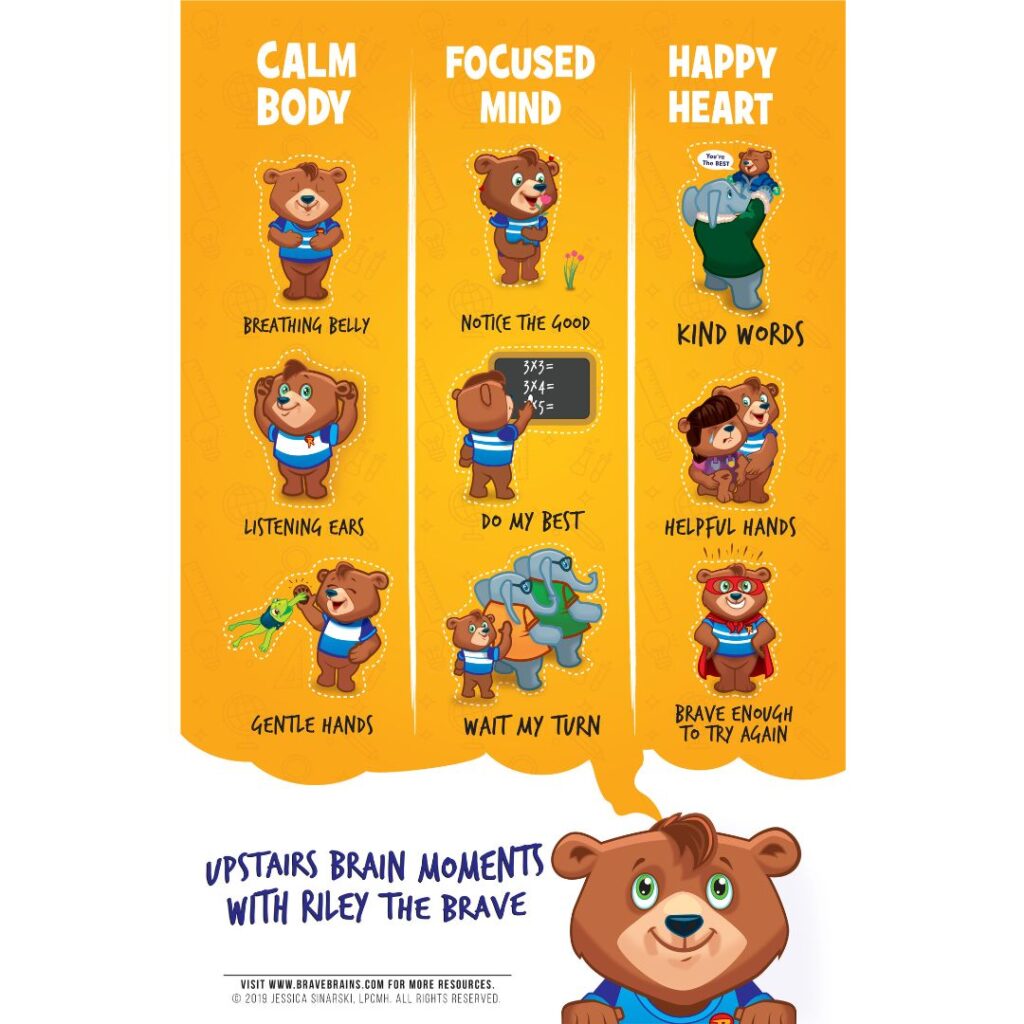
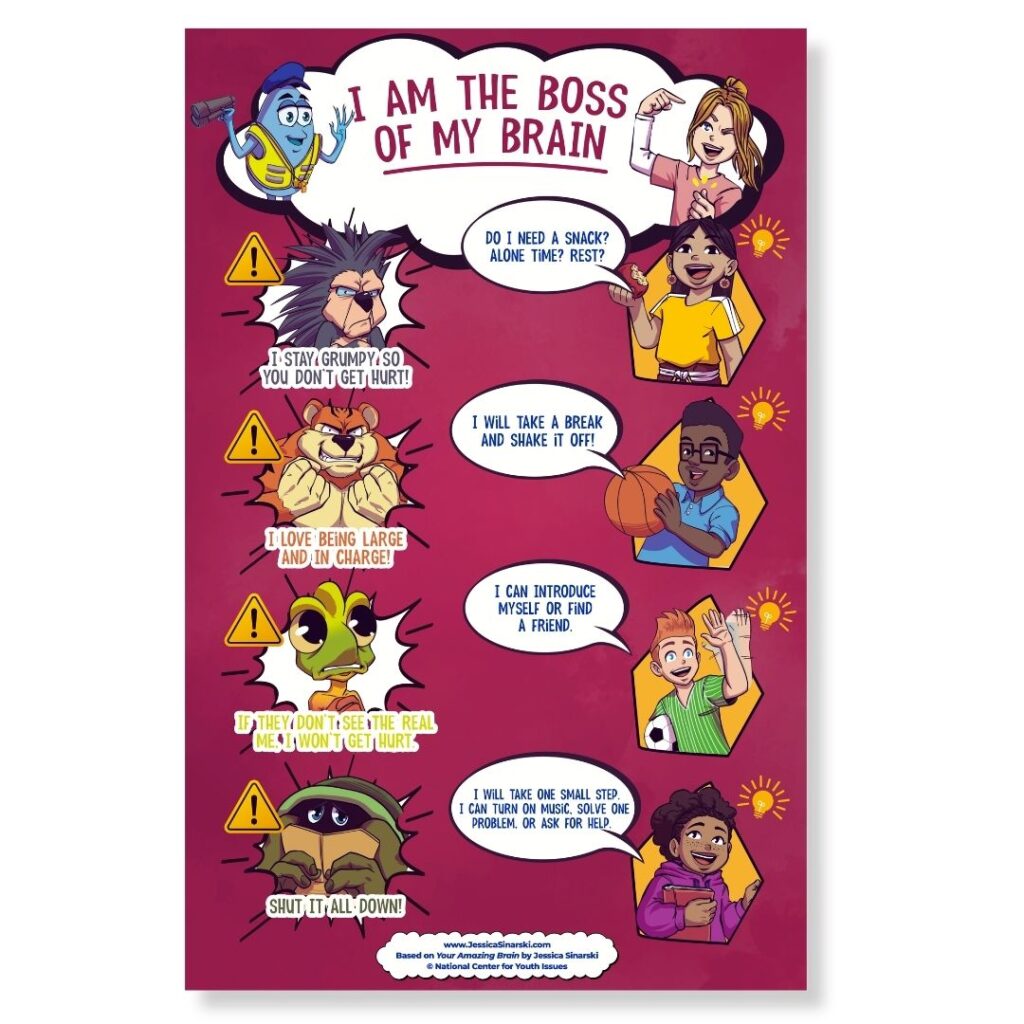
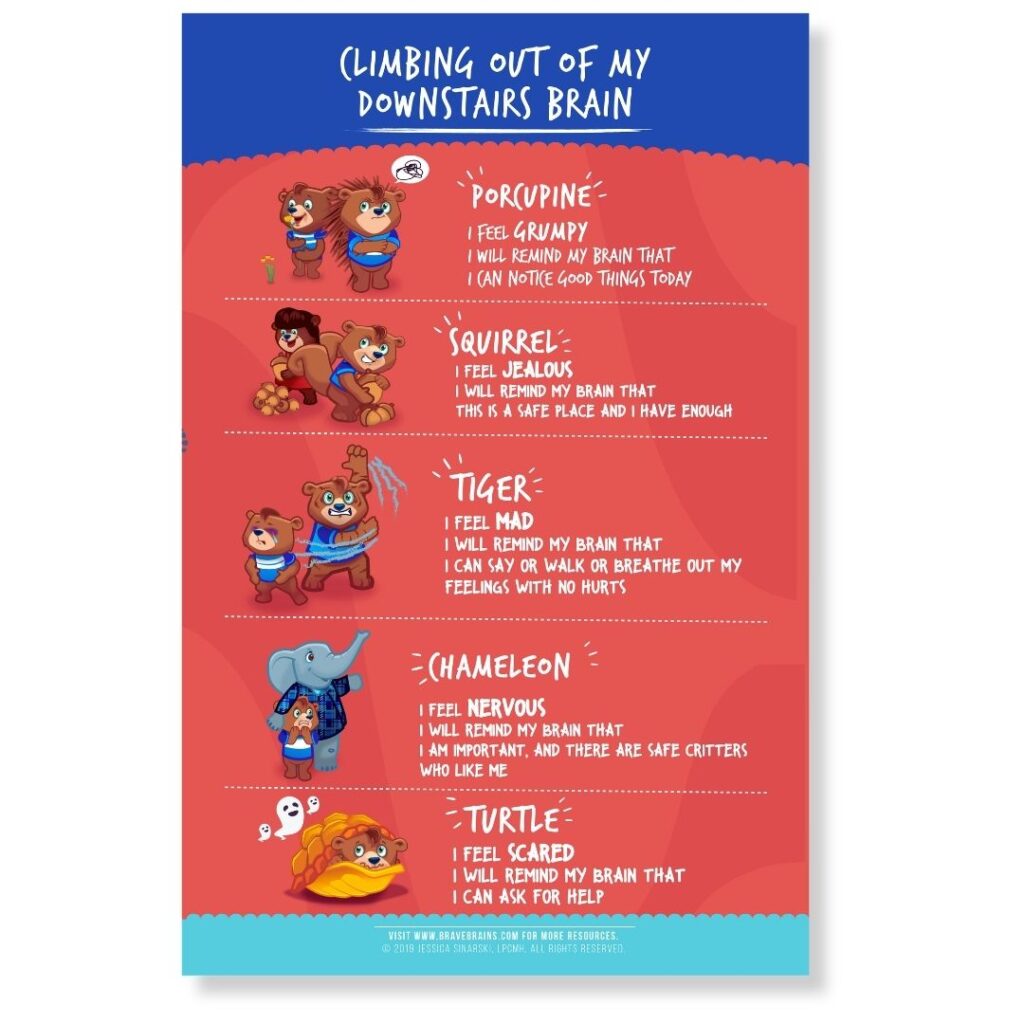
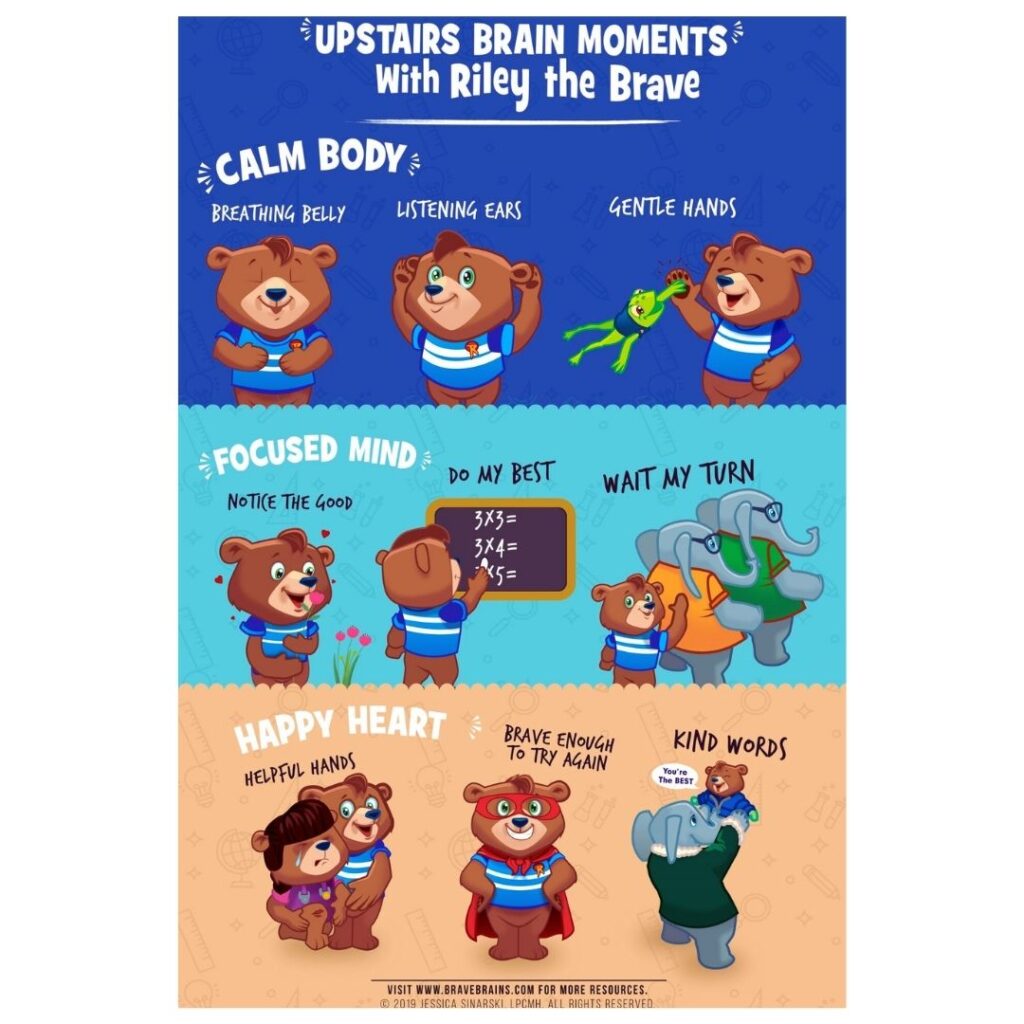
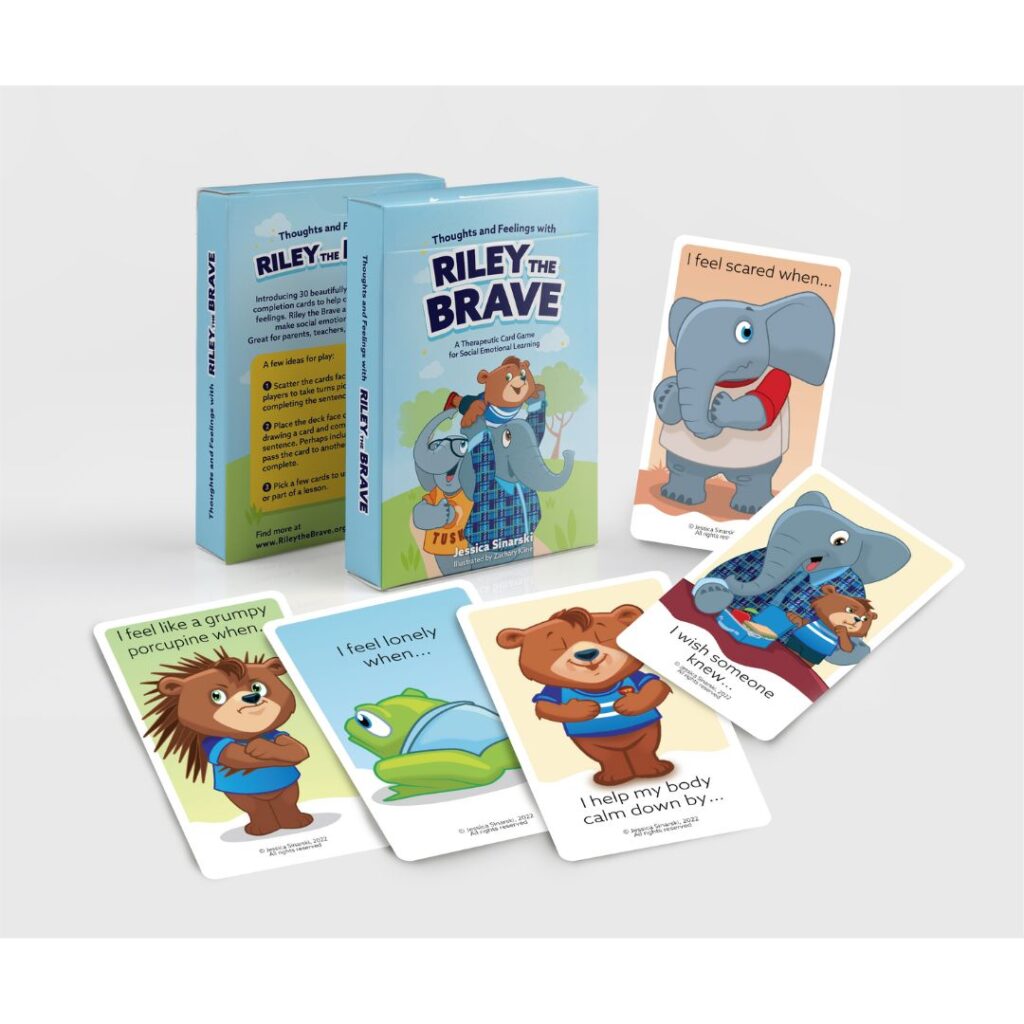
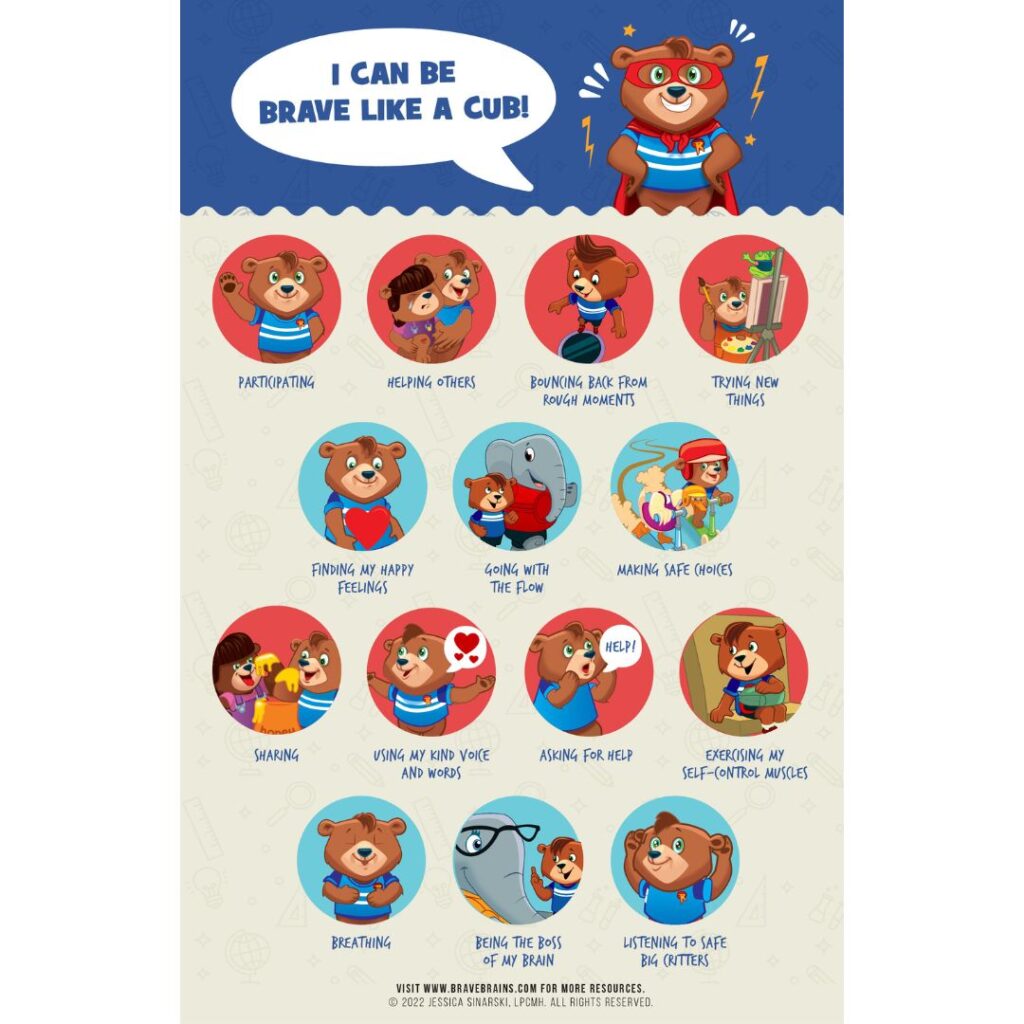
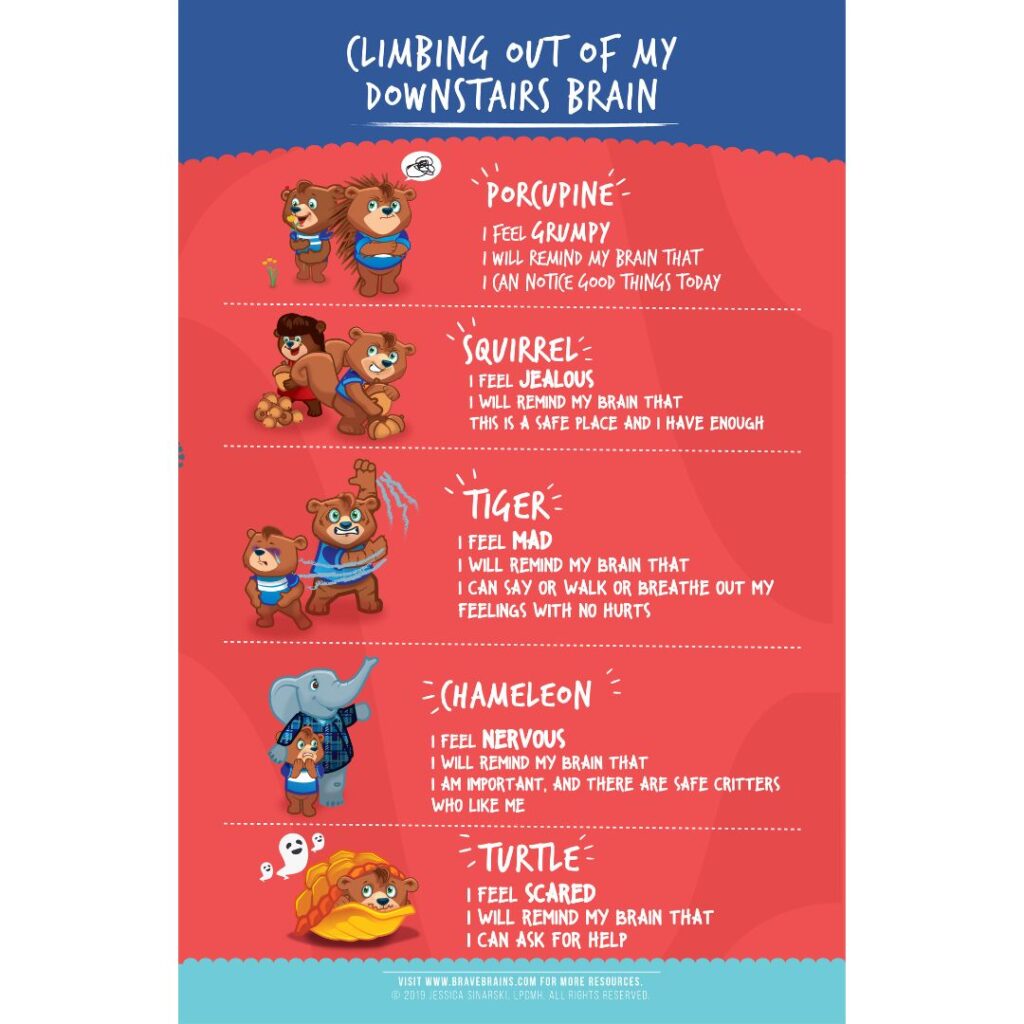
- Use brain-based language to build self-awareness. Help them notice when their “Tiger brain” is taking over or when they’re starting to flip their lid. Practice this together when things are calm, using visuals from Your Amazing Brain or Riley the Brave’s world to make it fun and accessible.
And if you’re struggling with your own downstairs brain in the moment, it’s okay to say that out loud too: “Whew. My porcupine brain is starting to come out too. How about we reset?”
>> Listen In

Parenting, nervous systems, and authentic connection
I joined Whitney Lauritsen on This Might Get Uncomfortable for a conversation about trauma-informed parenting, social media stress, nervous systems, and what kids are often really asking for underneath challenging behavior.
It’s honest, practical, and very grounded in the reality that connection matters…but so do adult limits and needs.

An episode for those supporting kids in foster care
Rebecca Britt is doing amazing work at Stable Moments. I had the chance to connect with her a few years ago to chat about how P.A.C.E. (playfulness, acceptance, curiosity, and empathy) can help us reach kids whose brains seem stuck in protection mode.
>> Go Further
That Sunday morning could have gone very differently (and has!).
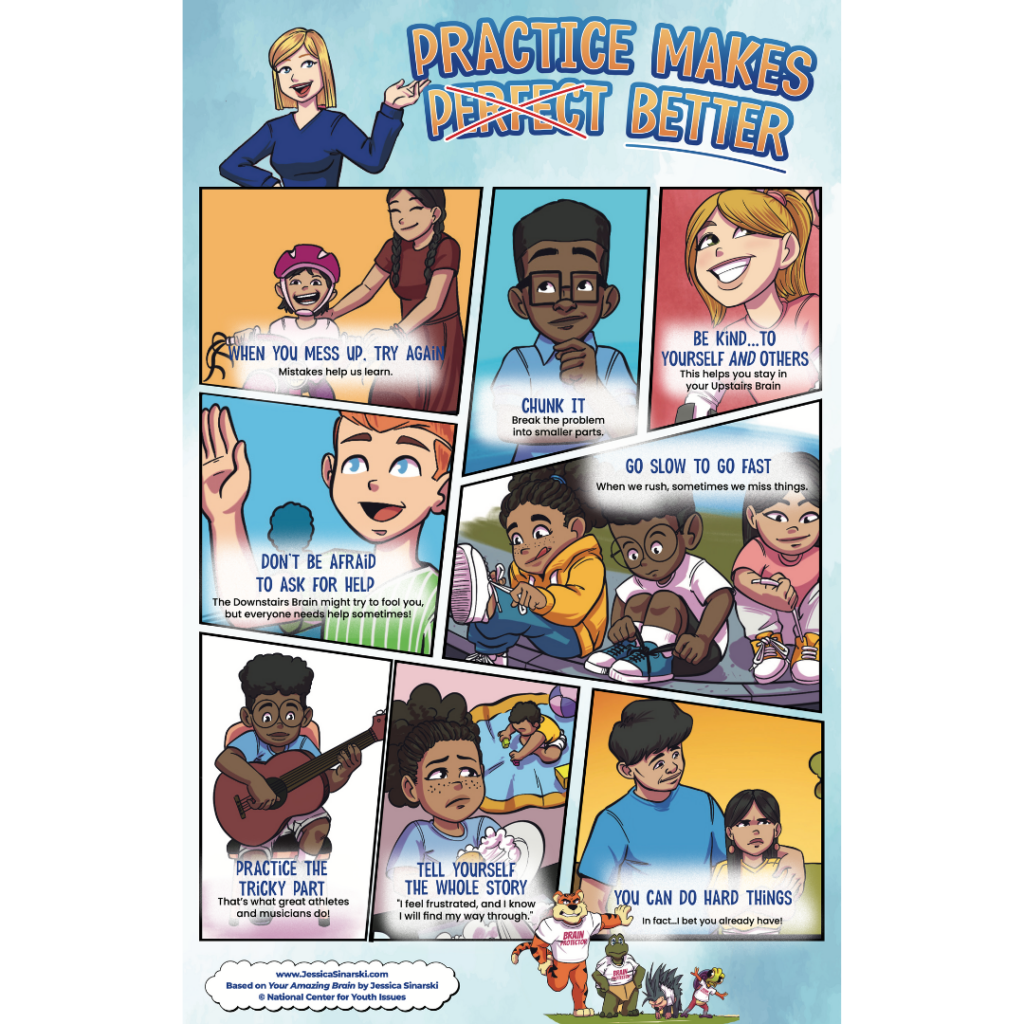
But I’ve seen time and time again how the chance to reset and redo can get the day back on track without all the yelling, negative consequences, or power struggles.
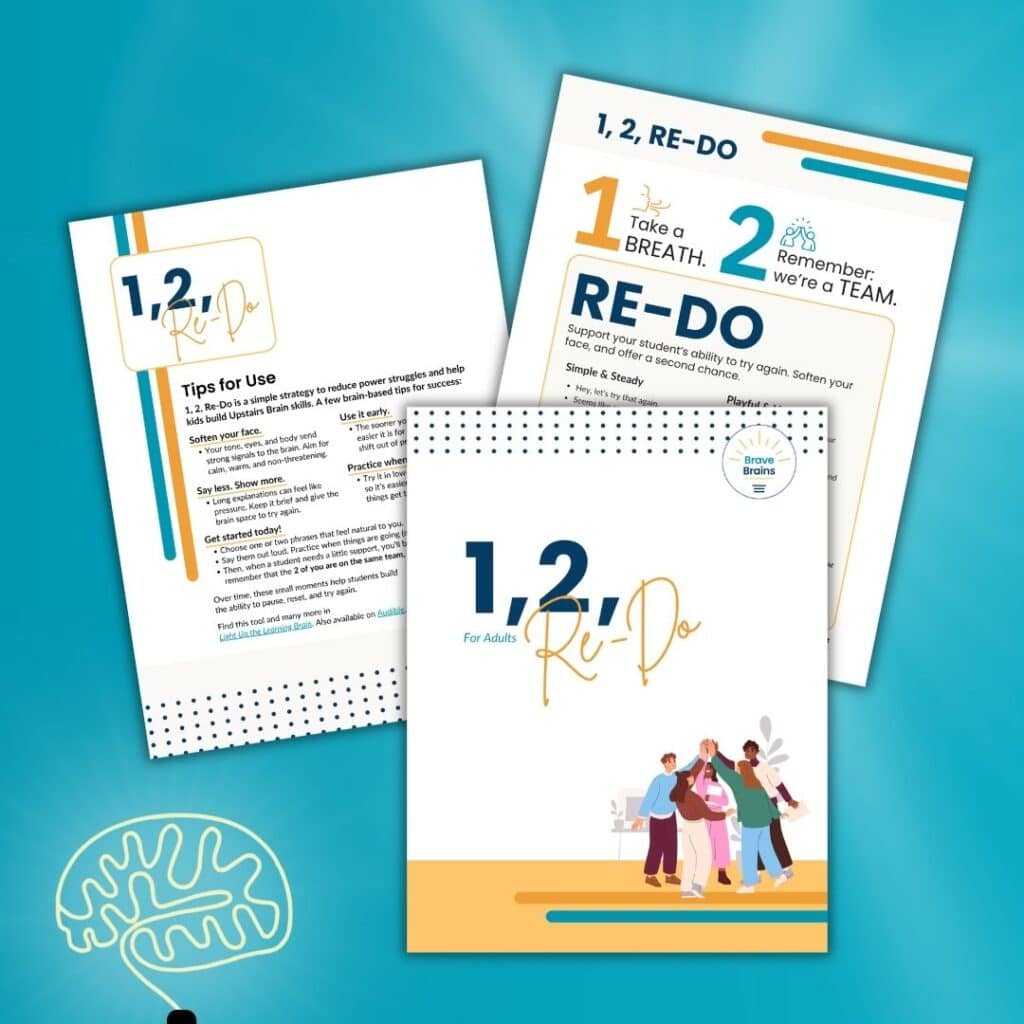
Here’s a printable resource to help you put this into practice with the kids in your life.
1, 2, Re-Do is a simple tool that helps kids (and adults) pause, reconnect, and try again. That’s brain building in action!
Download 1, 2, Re-Do from the Powerful Printables library!
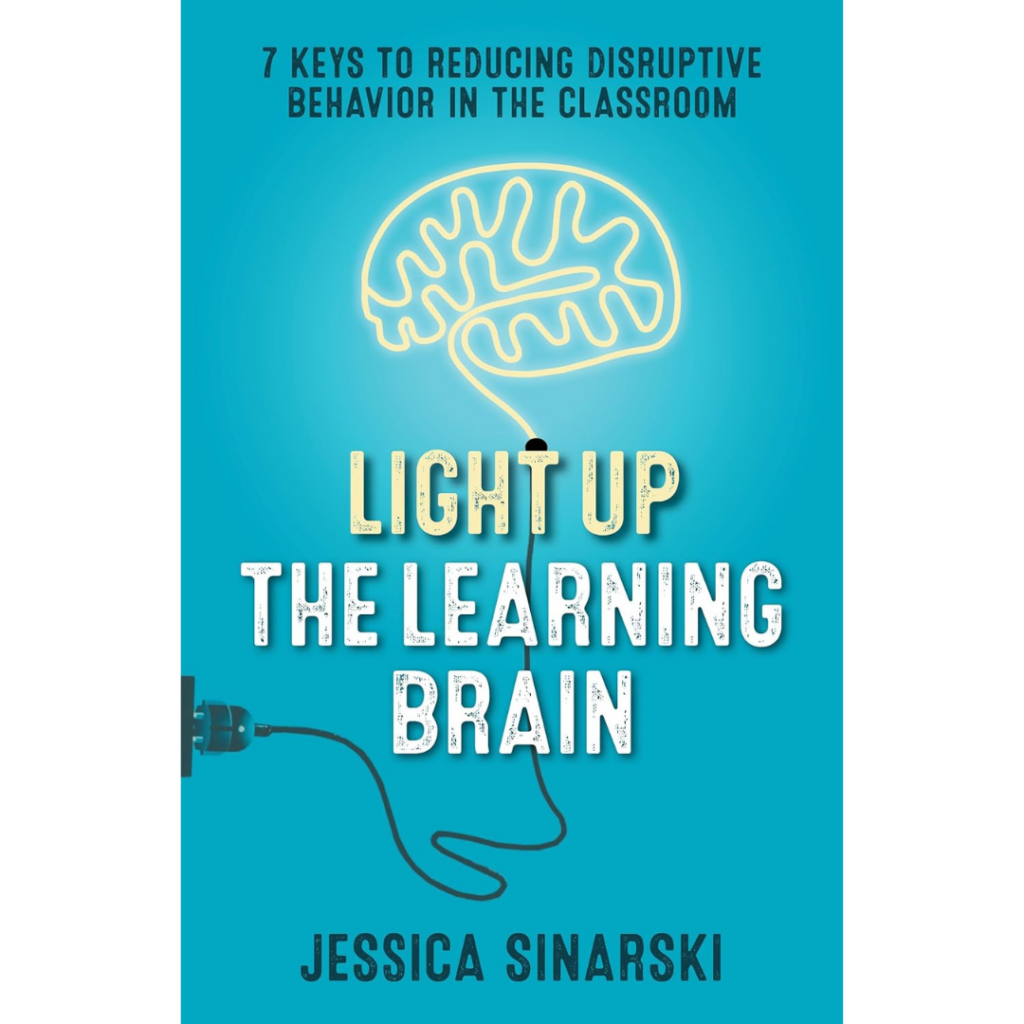
And if you’re looking for more help de-coding challenging behavior, check out Light Up the Learning Brain.
>> A Final Thought
When behavior gets loud, let’s stay curious.
I know it’s hard, and I don’t want you to have to do it alone.
Please share this post in your staff meeting, support group, or on your favorite social media platform.
The next time behavior feels “attention-seeking,” let’s dig a little deeper. Let’s see if we can meet the need underneath in ways that calm the nervous system, strengthen relationships, and (over time) reduce the need for the behavior in the first place.