



I was at my son’s high school recently and passed by a group of students who were clearly not where they were supposed to be.
The principal was talking with them, and it felt like one of those conversations that could have escalated, but it never did.
Mr. B stayed calm, matter-of-fact, and respectful the whole time.
“You can head to class, you can go to the library, or you can go to the cafeteria.”
He walked forward a bit, arms open, non-threatening. The boys were kind of tuning him out, so Mr. B just stayed steady.
“Can’t stay here, guys. Class, library, or the cafeteria.”
No public shaming. Not taking it personally. No lecture about how disrespectful they were being.
The students weren’t magically thrilled about being redirected, but a situation that could have escalated, didn’t.
Let’s take a look at what’s happening underneath.
>> Brain Goggles On
Beneath the eye rolls, shutdowns, emotional explosions, and growing independence is a brain going through enormous change.
Teens are wired to:
- seek independence
- lean more heavily on peers
- take risks and test limits
- figure out who they are
At the same time, the part of the brain responsible for impulse control, emotional regulation, perspective-taking, and long-term planning is still developing.
So they are driving cars, but not consistently remembering to wear deodorant. They are taking on bigger projects at school but melting down about doing the dishes at home.
Layer onto that:
- social media
- academic pressure
- disrupted relationships
- sleep deprivation
- constant comparison
- uncertainty about the future
- and the lingering effects of chronic stress
That’s a lot for a nervous system to hold.
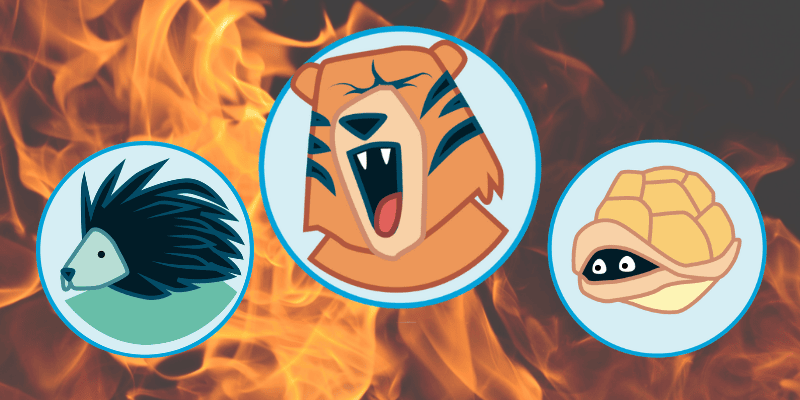
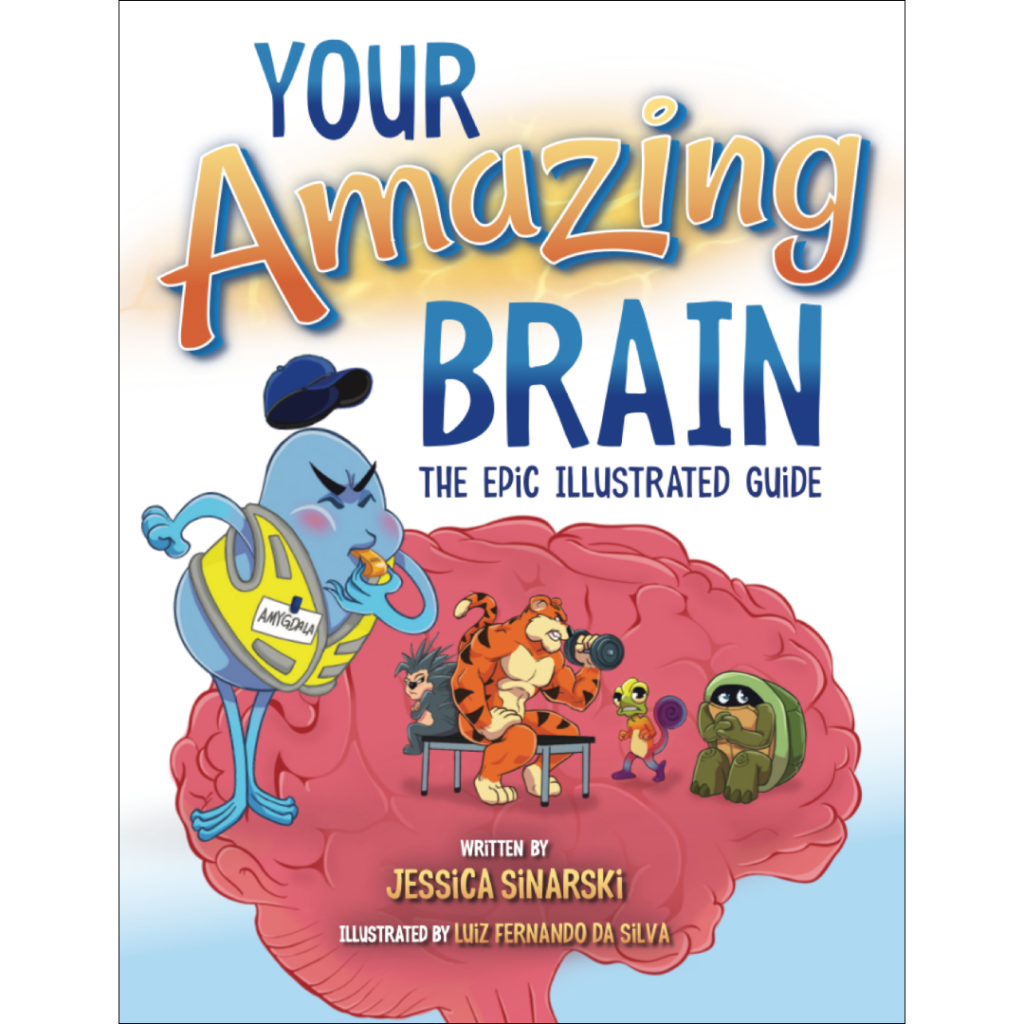
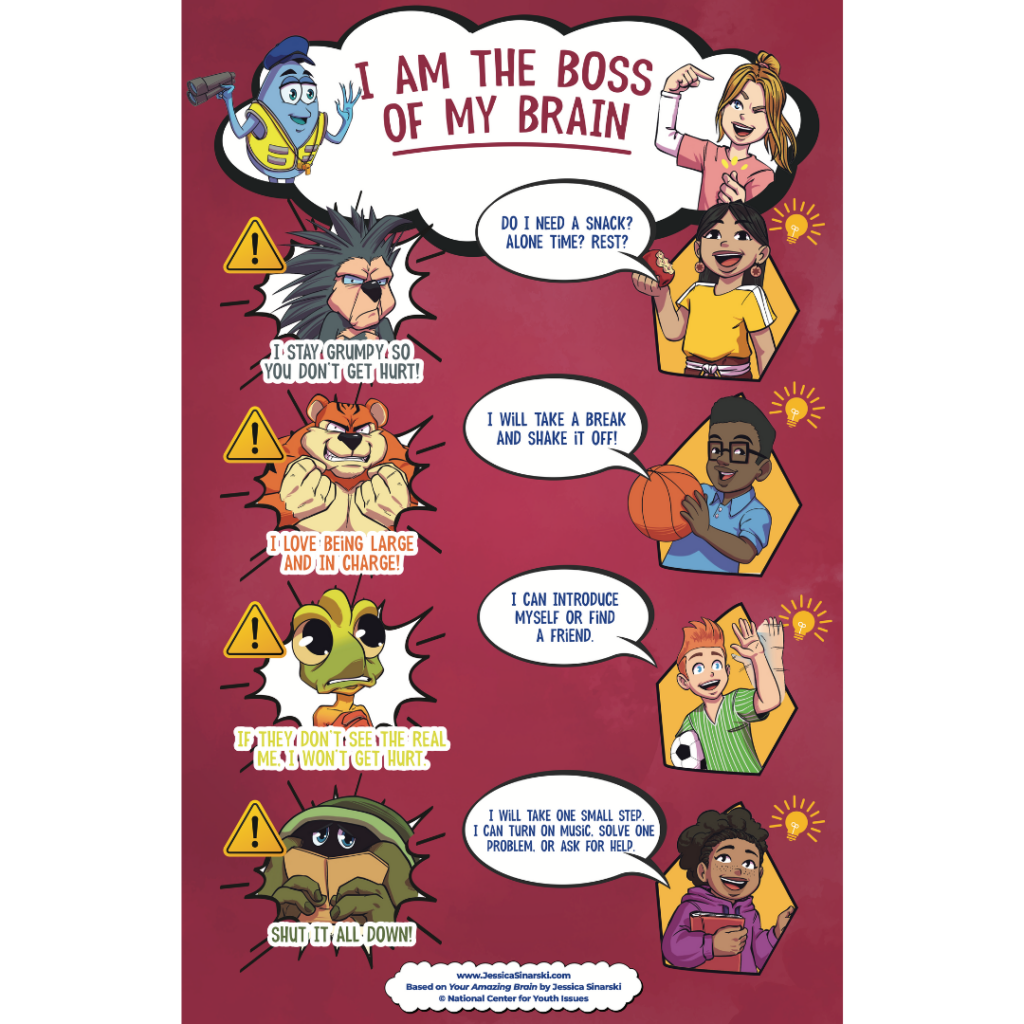
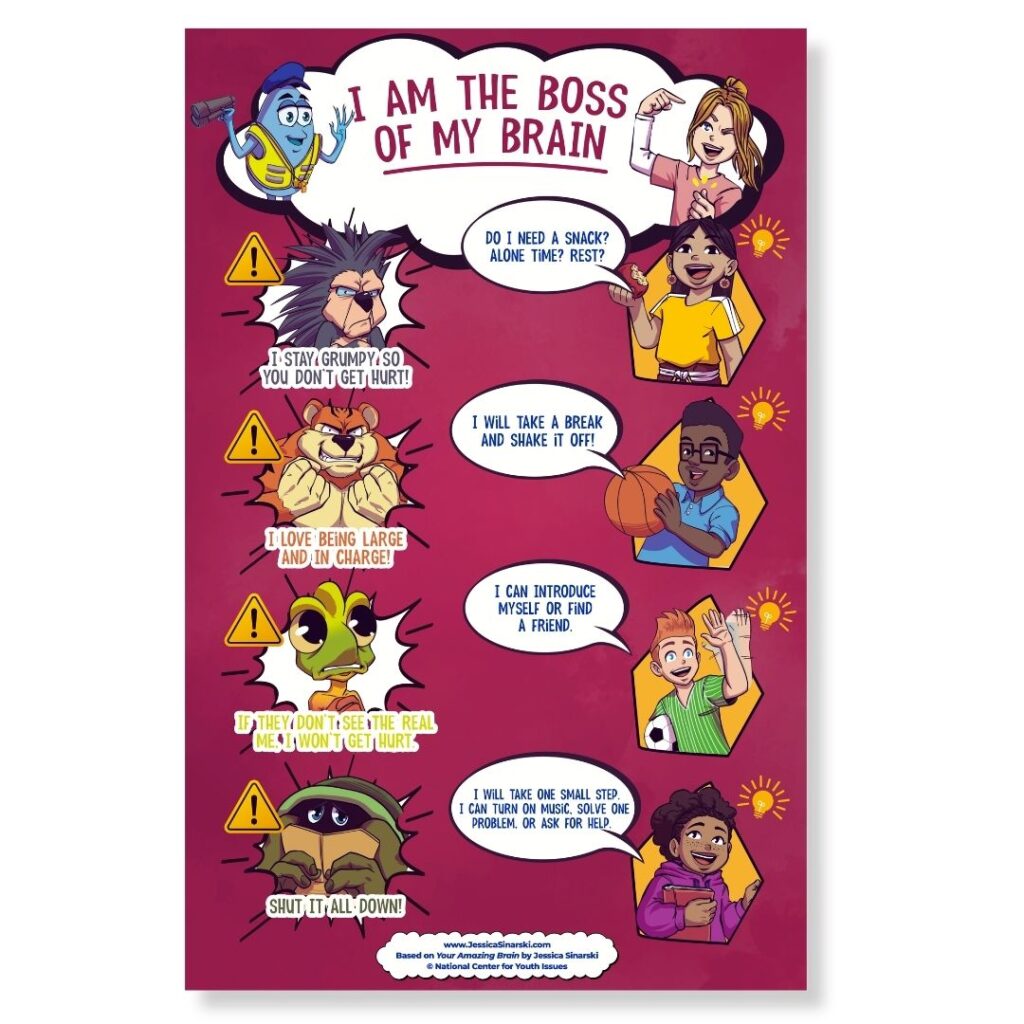
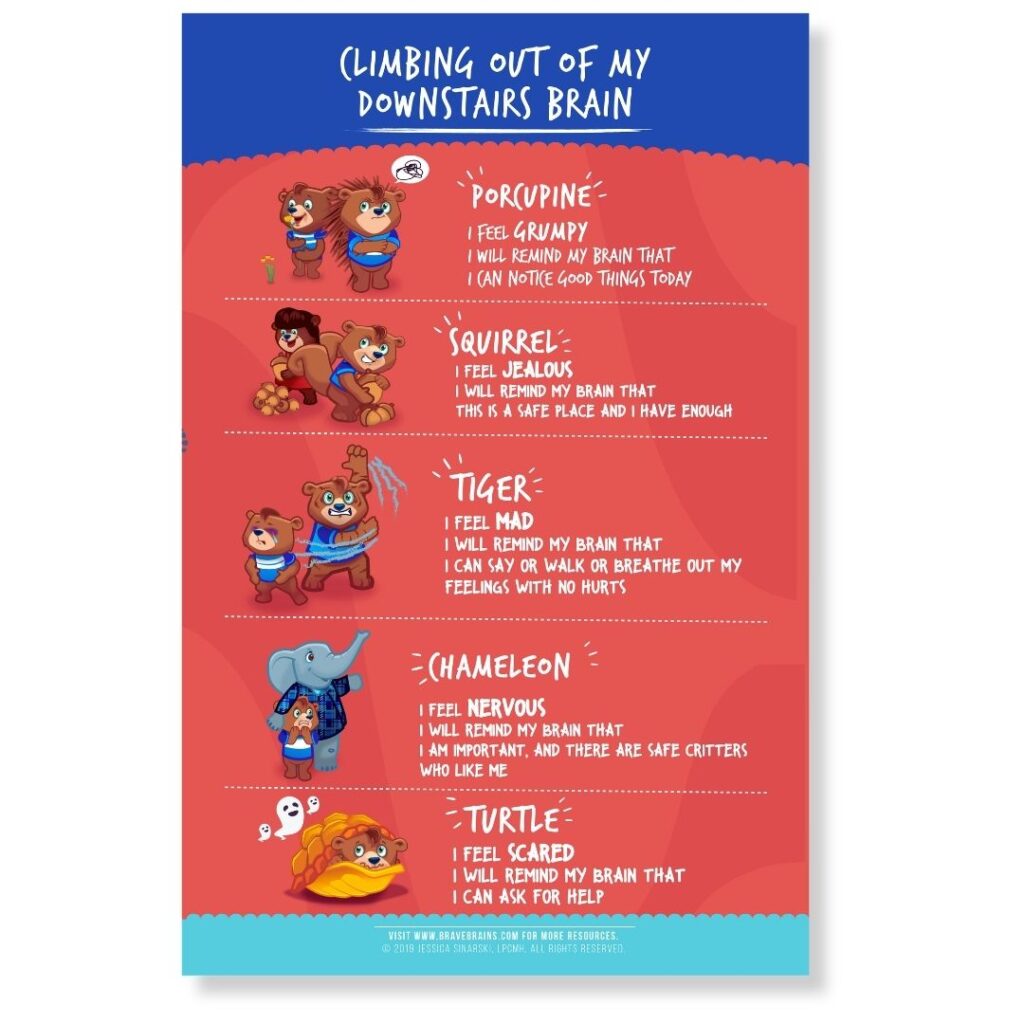
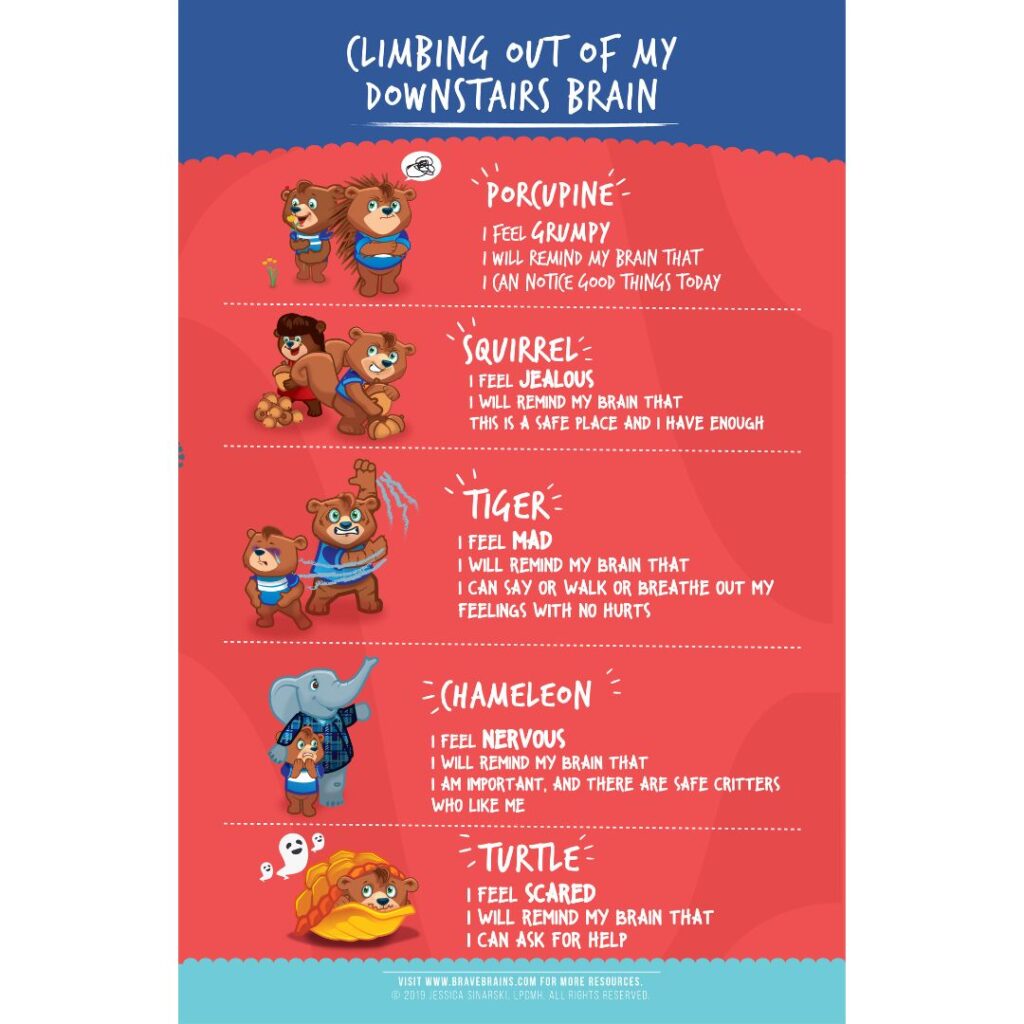
🐢 Sometimes anxiety looks like avoidance.
🦔 Sometimes depression looks like irritability.
🐅 Sometimes overwhelm comes out as disrespect or defiance.
When we only focus on stopping the behavior, we miss the opportunity to strengthen the brain underneath it. That doesn’t mean there shouldn’t be boundaries or accountability.
But it does mean that connection, predictability, and regulation support matter more than ever.
>> Try This
(1) Talk less.
Adolescents often pull adults into side battles:
- “That’s not fair”
- Showing off in front of peers
- Overwhelm that sends you into fix-it mode
- That tone that makes you see red
It’s not because they are evil masterminds. It’s a brain thing! Sometimes the most powerful thing we can do is resist the urge to argue, lecture, or say too much.
Like Mr. B:
“Class, library, or cafeteria.”
(2) Keep it moving.
Stressed brains tend to push harder against control than against structure. Simple choices can help:
- “Do you want to talk here or take a walk?”
- “Would now work better, or do you need five minutes?”
- “Class, library, or cafeteria.”
Not every situation needs negotiation, of course. But giving adolescents a little room to move toward the expectation instead of backing them into a corner can be just what their brains need to get unstuck.
(3) Stay connected even when it’s messy.
Teens often push away the people they need most.
A calm, steady (sometimes playful!) adult presence helps the brain feel safer over time, even when it doesn’t look like it’s “working” right away.
>> Listen In
Ask Lisa with Lisa Damour
This podcast is a treasure trove of support for just about any teen topic you can imagine: anxiety, friendships, school pressure, social media, and more.
Dan Siegel on the Power & Purpose of the Teenage Brain
The book Brainstorm is great, but if you just want a shorter snapshot, check out this 1-hour lecture by the father of Interpersonal Neurobiology, Dr. Daniel J. Siegel on YouTube.
>> Go Further
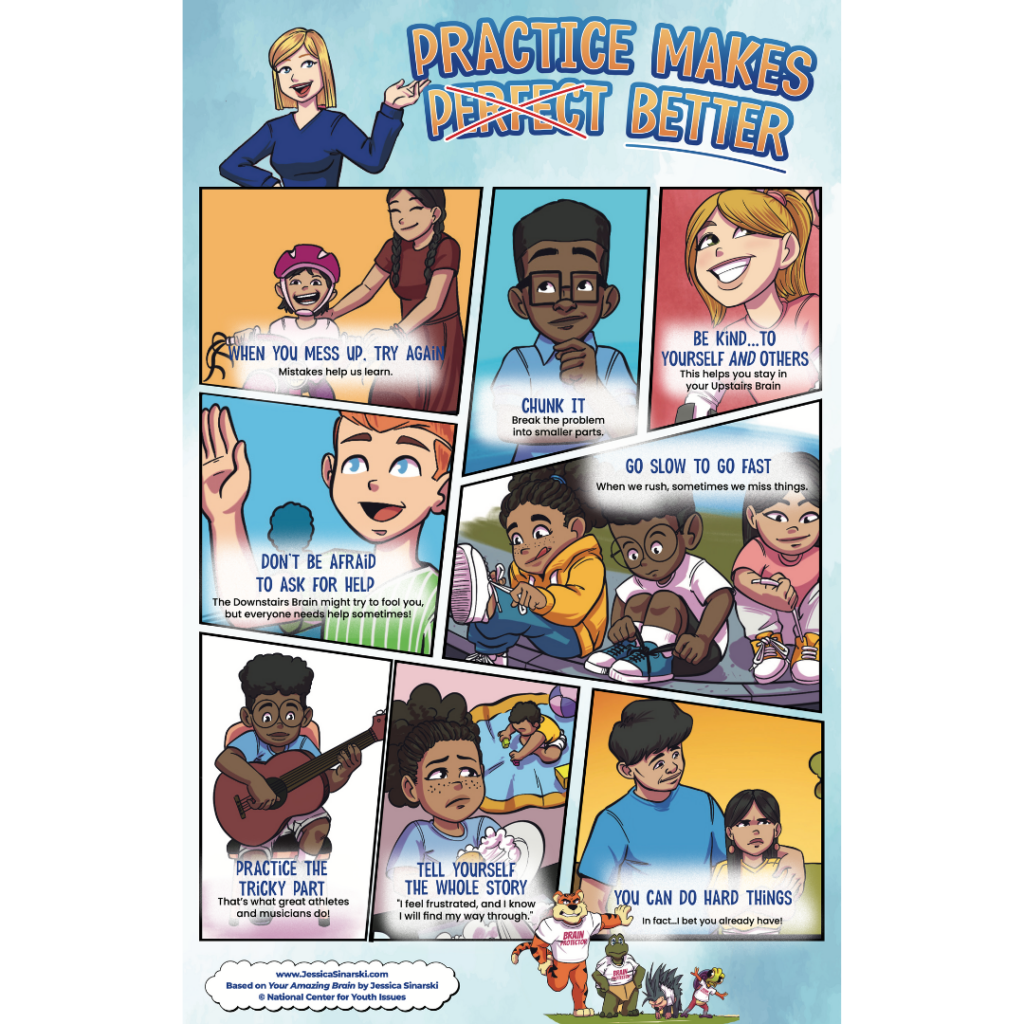
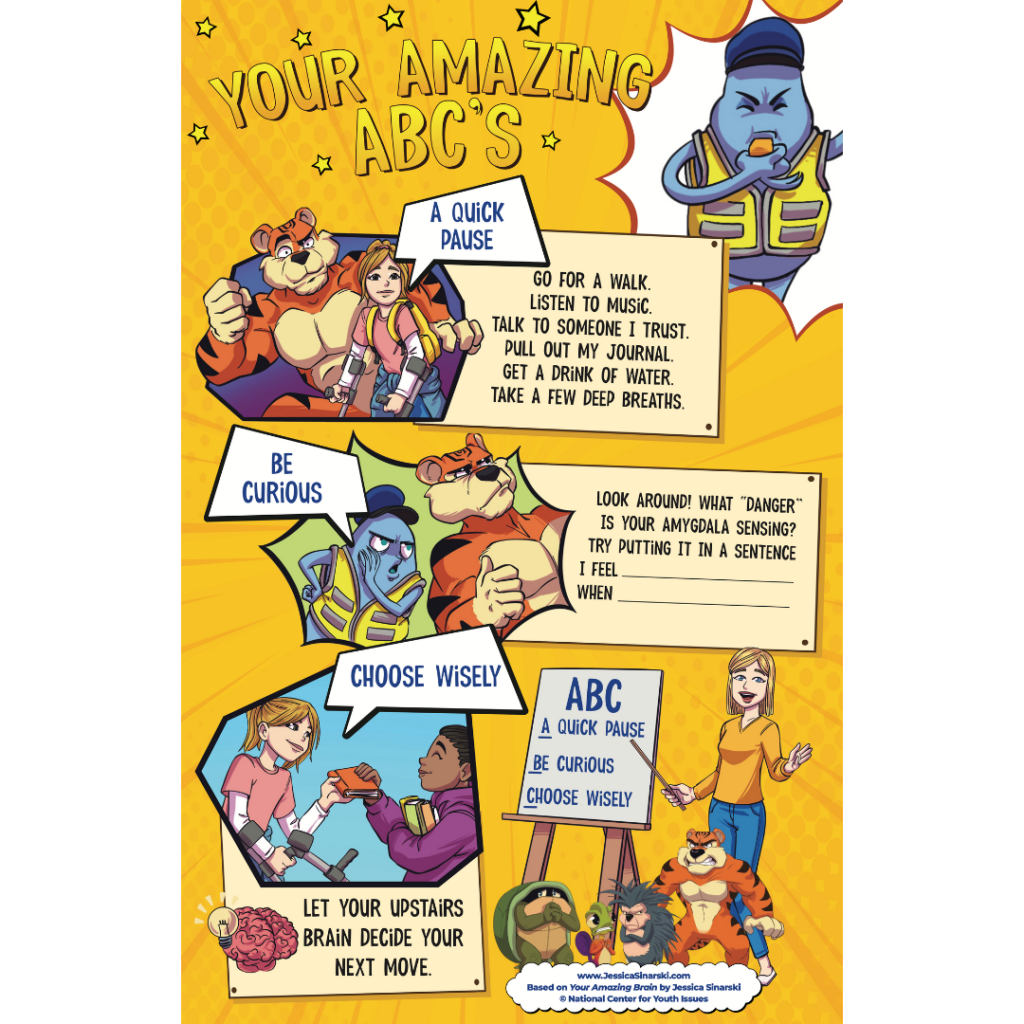
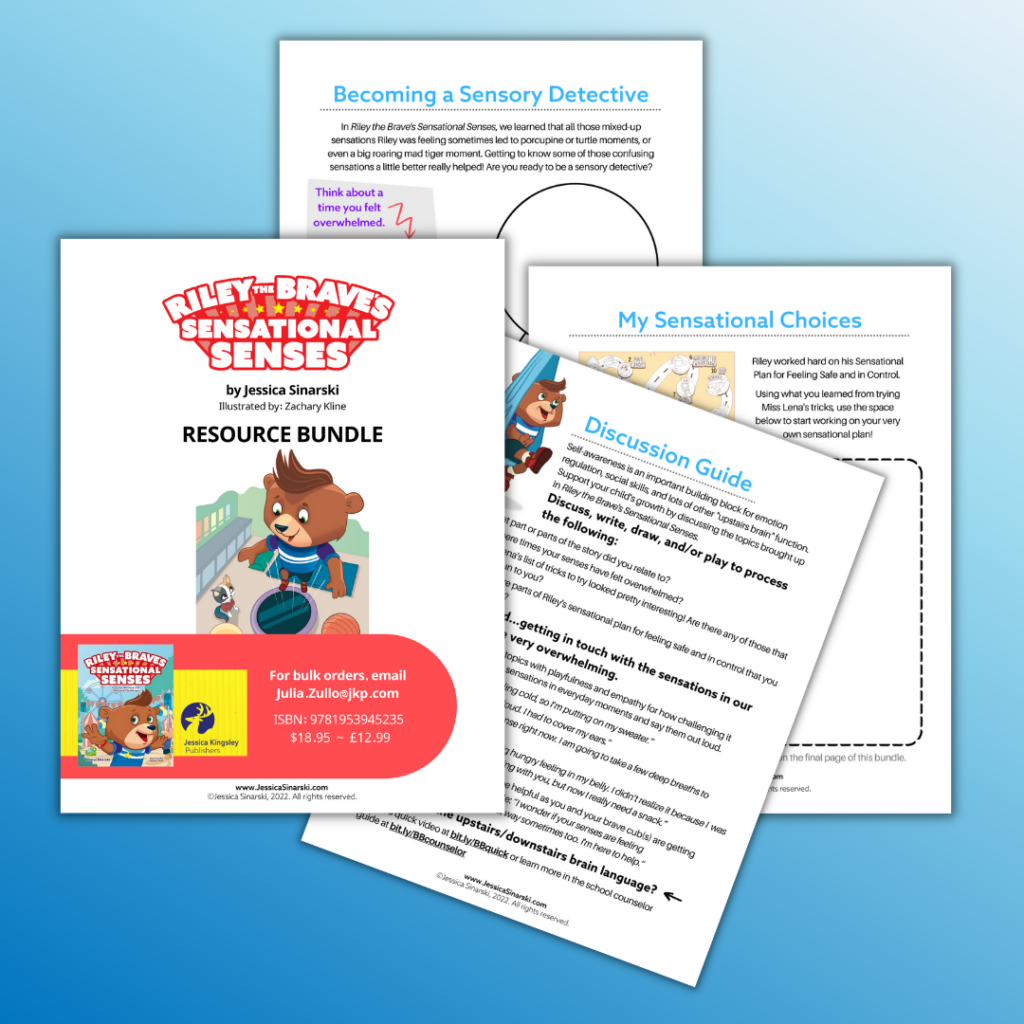
Straight from BraveBrains new-and-improved free resource library, here’s a simple way to bring these conversations to students, staff, or families:
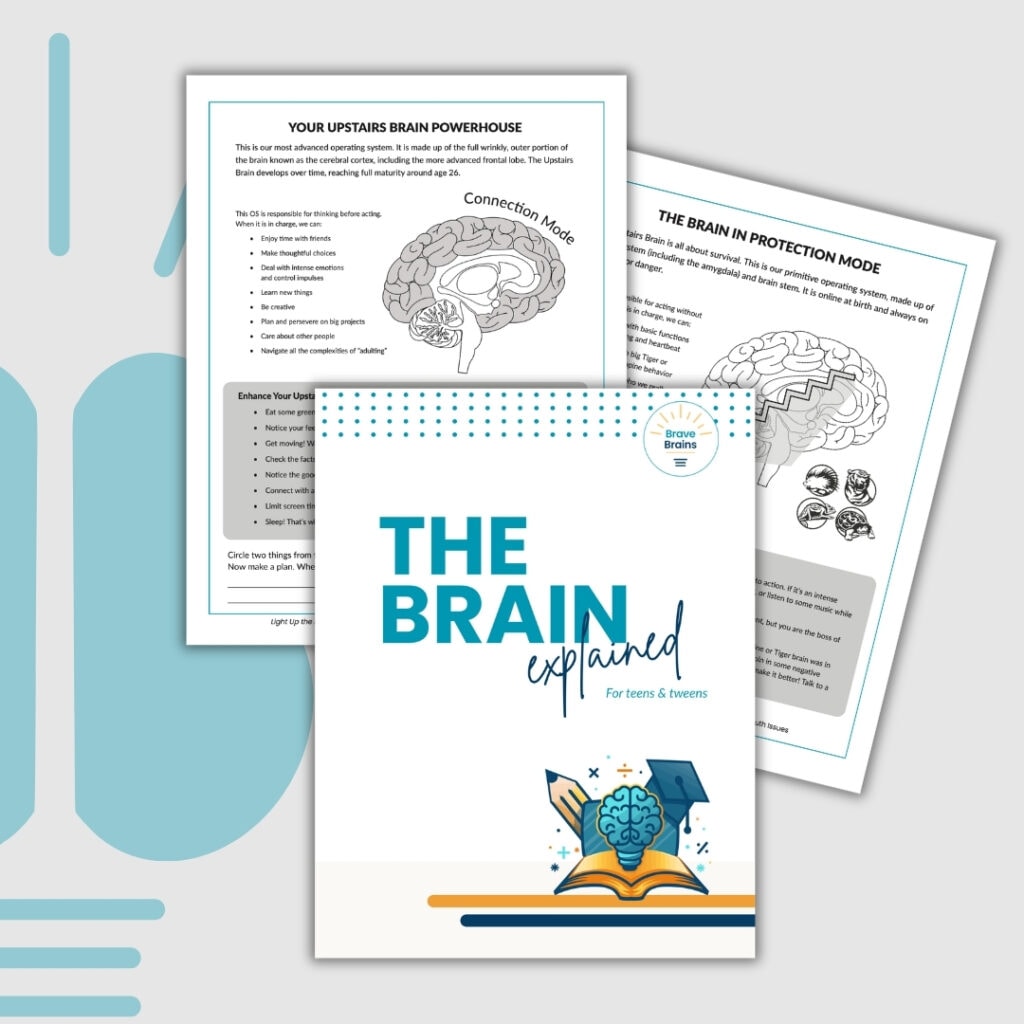
The Brain Explained for Teens & Tweens
A student-friendly guide to:
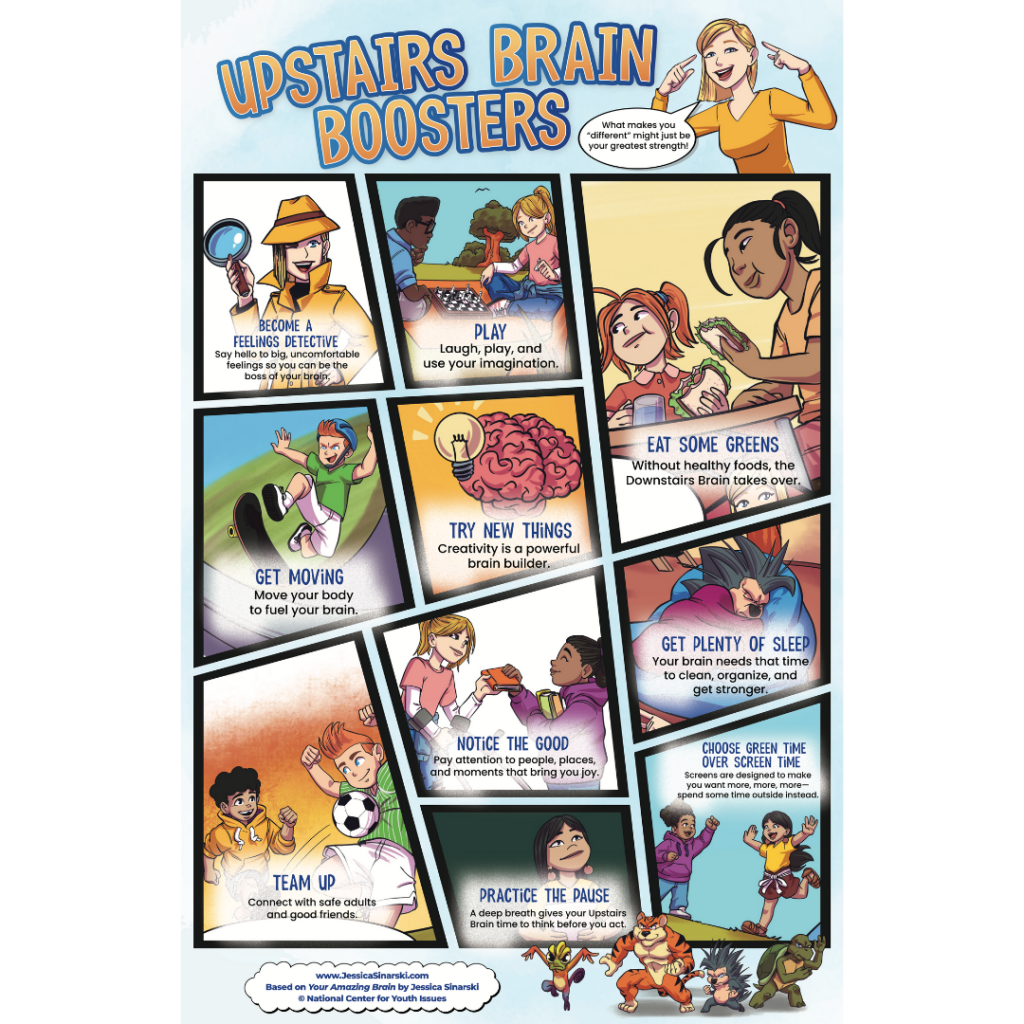
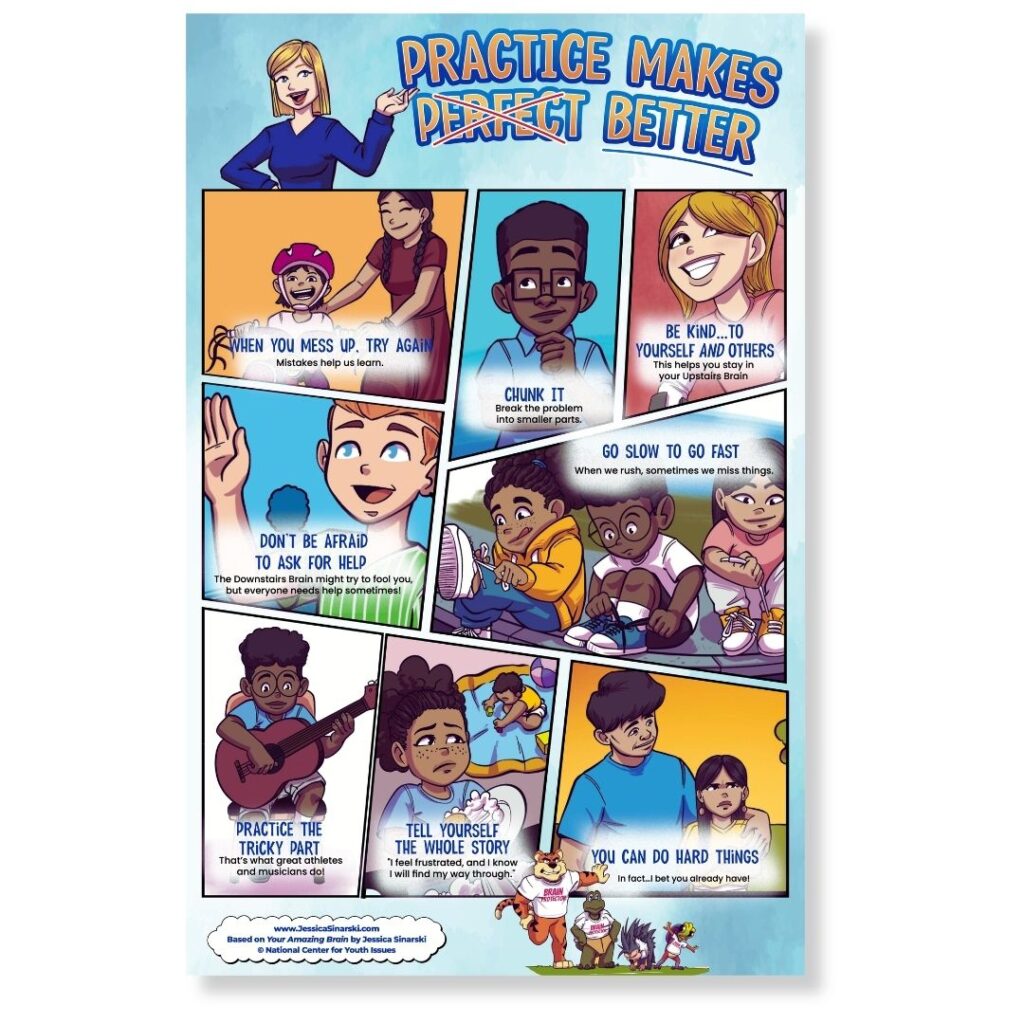
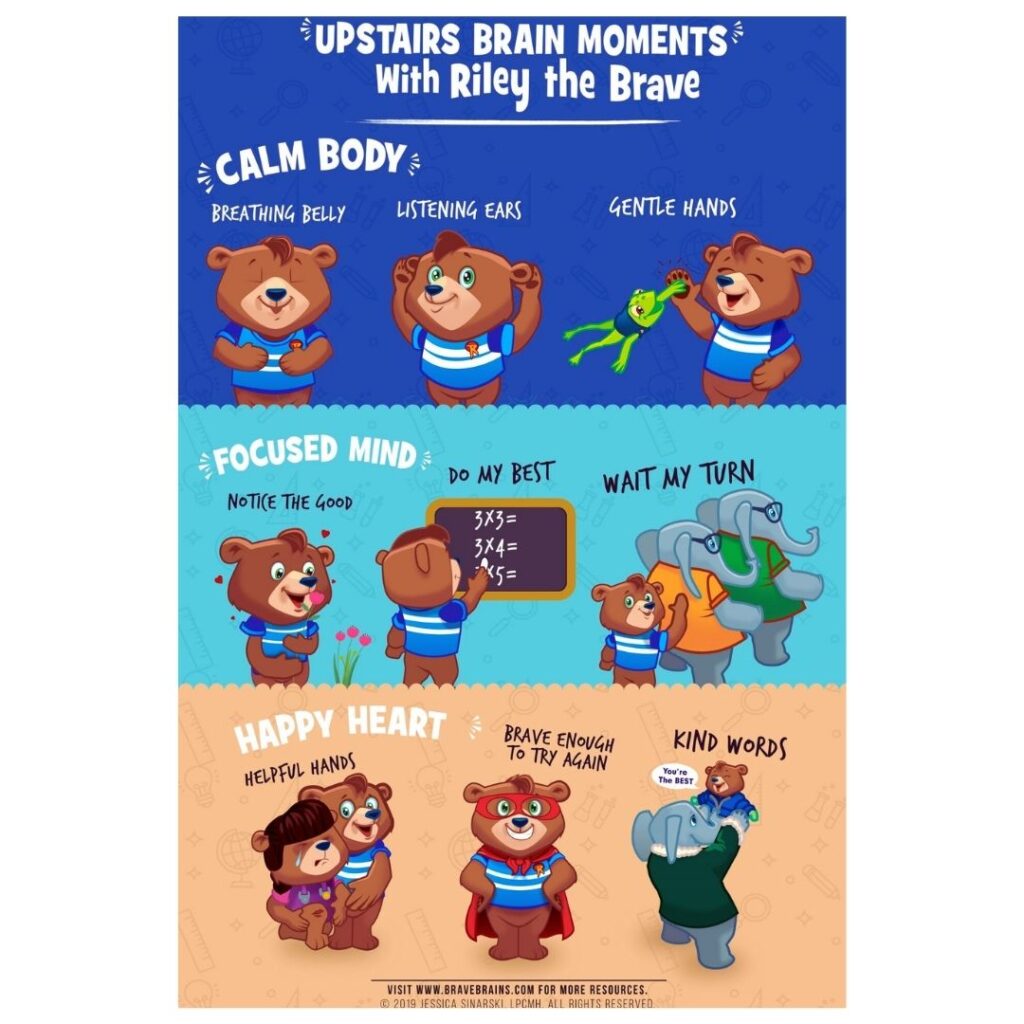
- Upstairs & Downstairs Brain
- Stress and regulation
- Strengthening the brain over time
I also highly recommend Middle School Matters by Phyllis Fagell.
Both are great starting points for building shared language and reducing shame around big feelings and challenging behavior.
What will you try this week?
Before you close this email, I encourage you to scroll back up and choose one thing.
Maybe it’s talking less. Maybe it’s downloading the printable and sharing it with your staff or students. Or maybe you’ll look for a little moment of connection in the messiness of adolescence.
As a mom of teens, I know I’ll be doing the same.