



At a team meeting last month, we were talking through several projects that needed decisions, including a few areas that are my least favorite part of running BraveBrains. I had a headache, my shoulders were tight, and I could feel my brain starting to shut down.
So I looked at one of my team members and said:
“Can you explain this part while I lay on the floor for a second?”
>> Brain Goggles On
Before it sounds like I’m saying, “Good leaders should lie on the floor when they feel overwhelmed,” let me share a little more context.
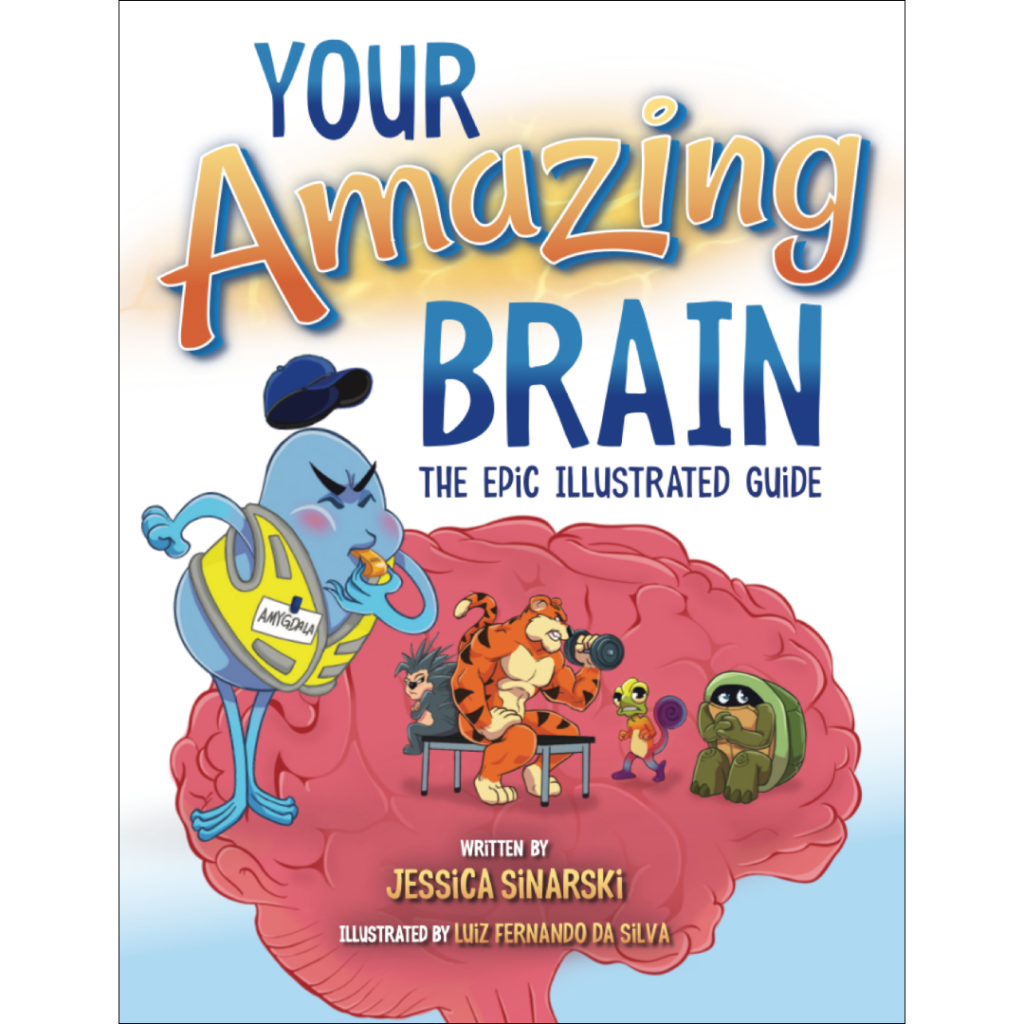
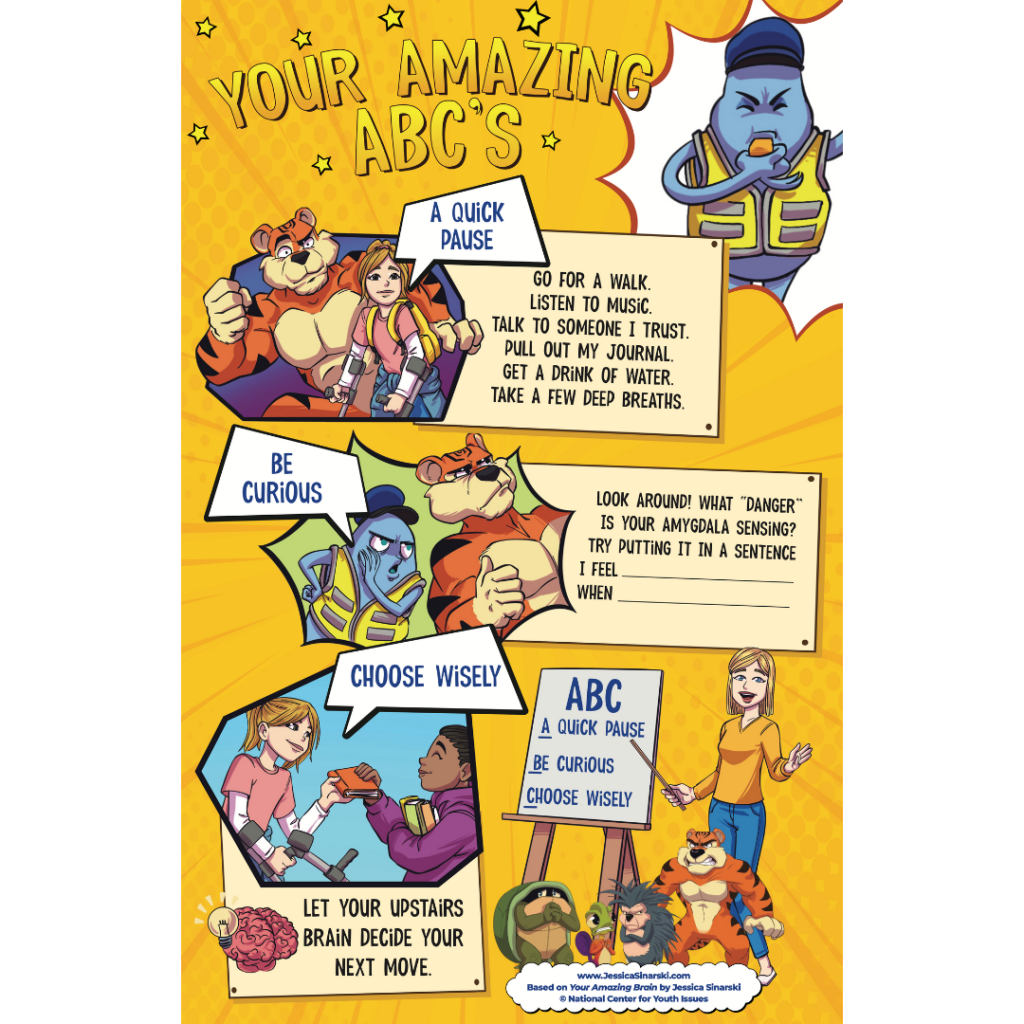
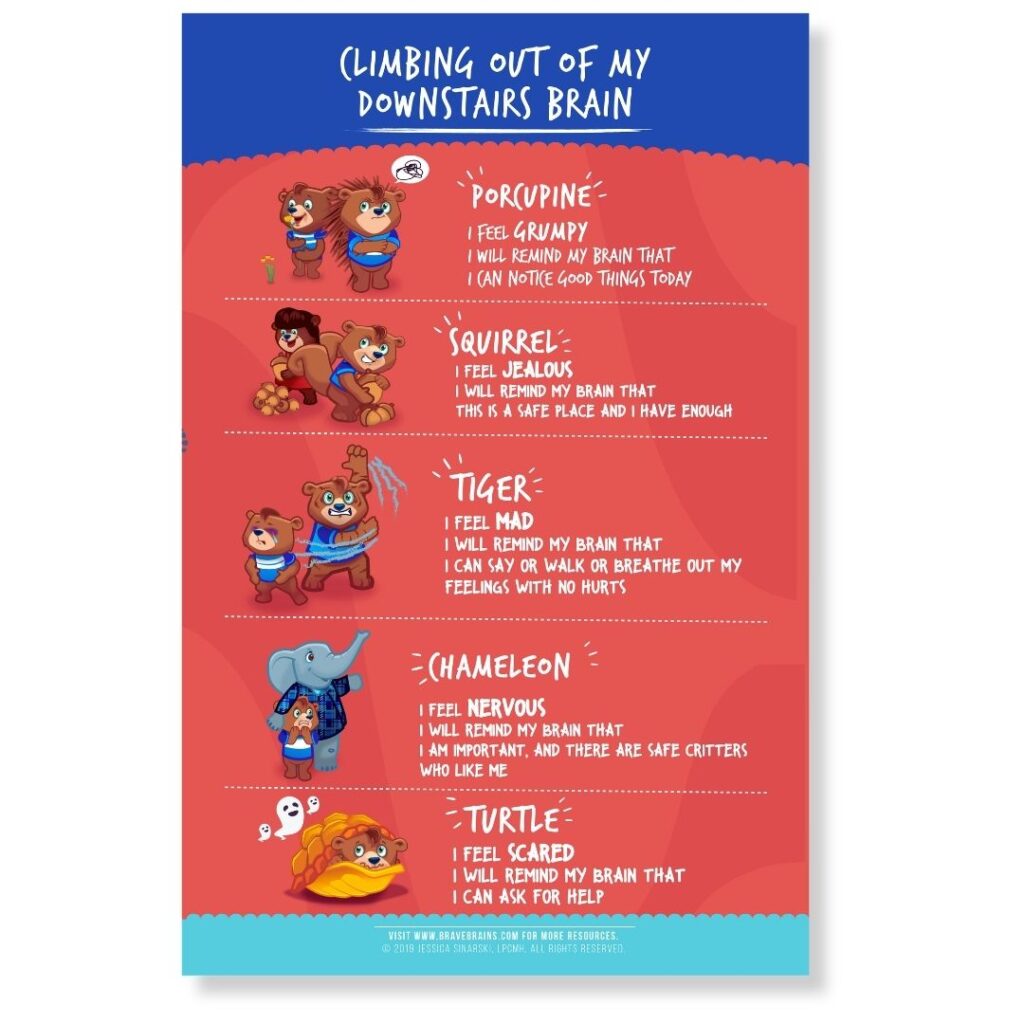
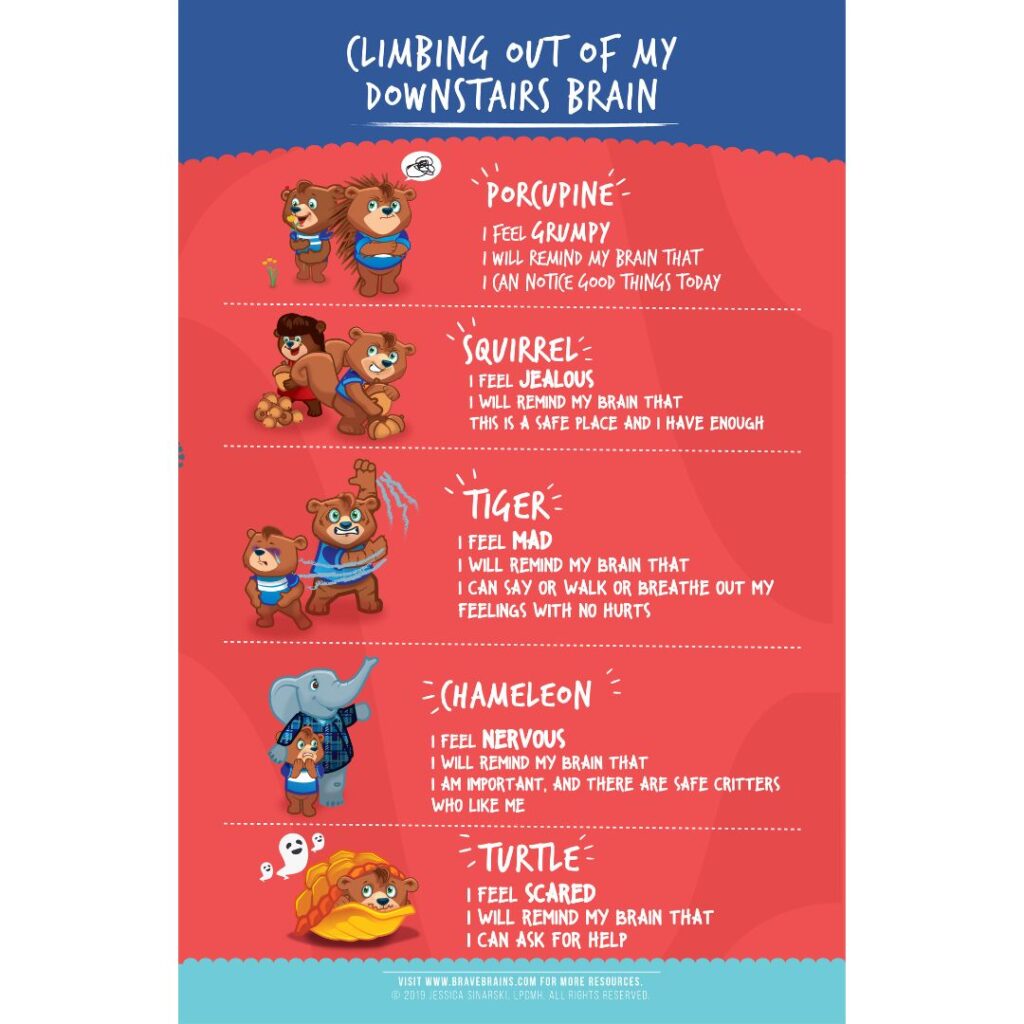
Over the last couple of years, I’ve realized that when my Turtle Brain is kicking in, going horizontal for a few minutes genuinely helps. I’m sure Dr. Stephen Porges could explain the polyvagal-driven reasons why, but honestly, it’s enough for me to know that it works.
At that moment, I needed to not go full turtle and have the whole conversation stall because of what was happening in my brain and body.
I was with a small, trusted team in a safe setting, and lying down for three minutes helped me reset.
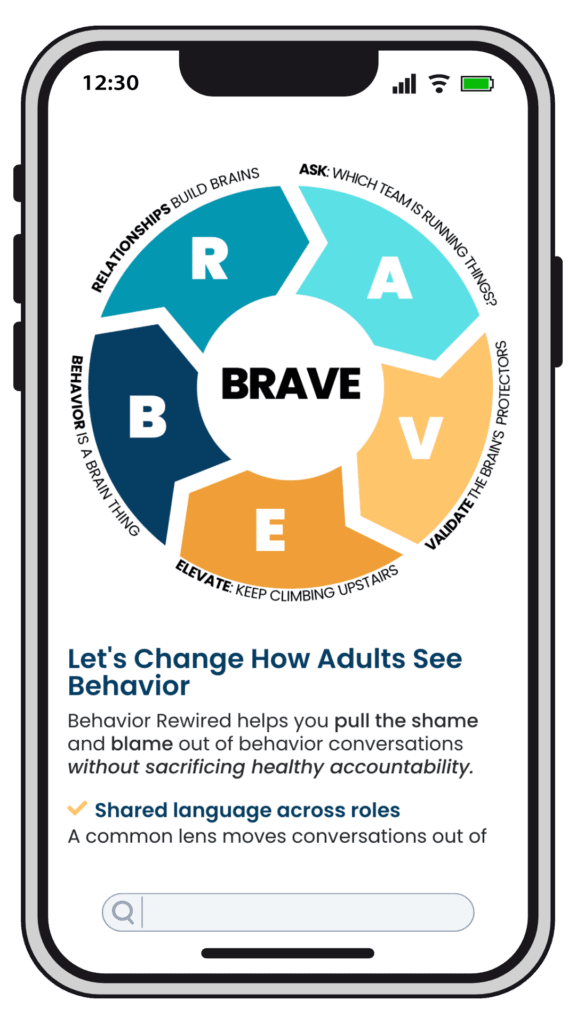
This is the B.R.A.V.E. Framework in action.
Behavior is a brain thing.
Including mine! My stuckness was coming from my nervous system, not because I wasn’t trying hard enough.
Relationships build brains.
We practice what we preach at BraveBrains, so it was safe to be real with my team. Plus, trusting my team member to run the next little bit was brain boosting all around.
Ask: Which team is running things?
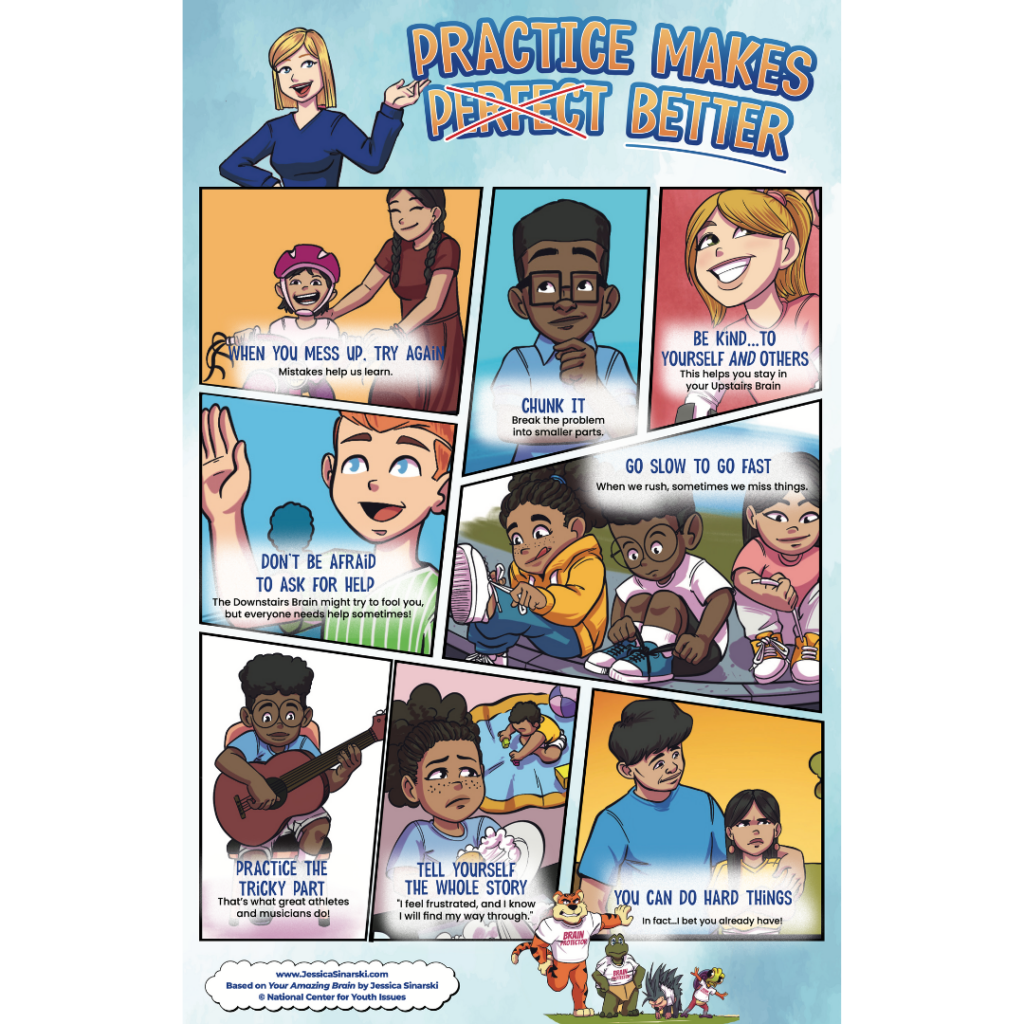
As Dr. Jon Baylin points out, we are state-dependent creatures. That means that how we function at any given moment depends on which part of the brain is running things.
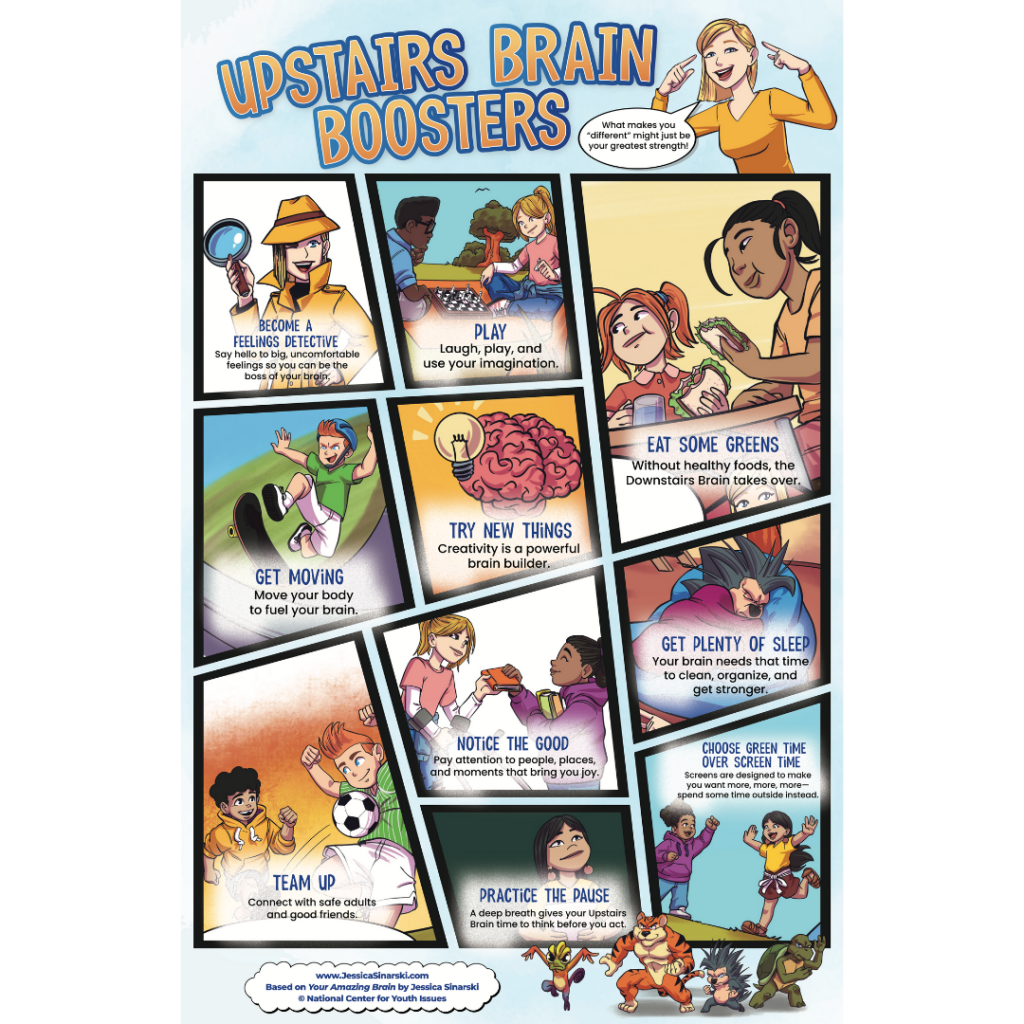
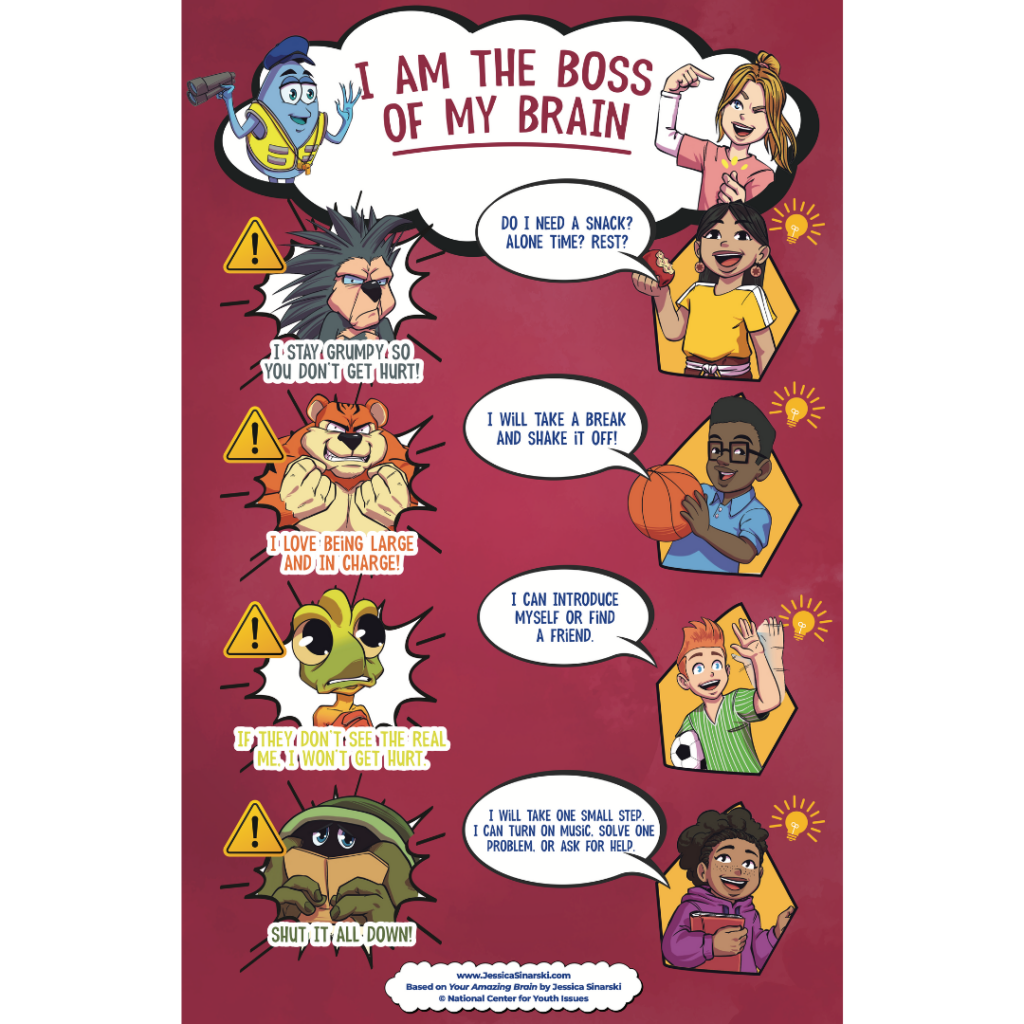
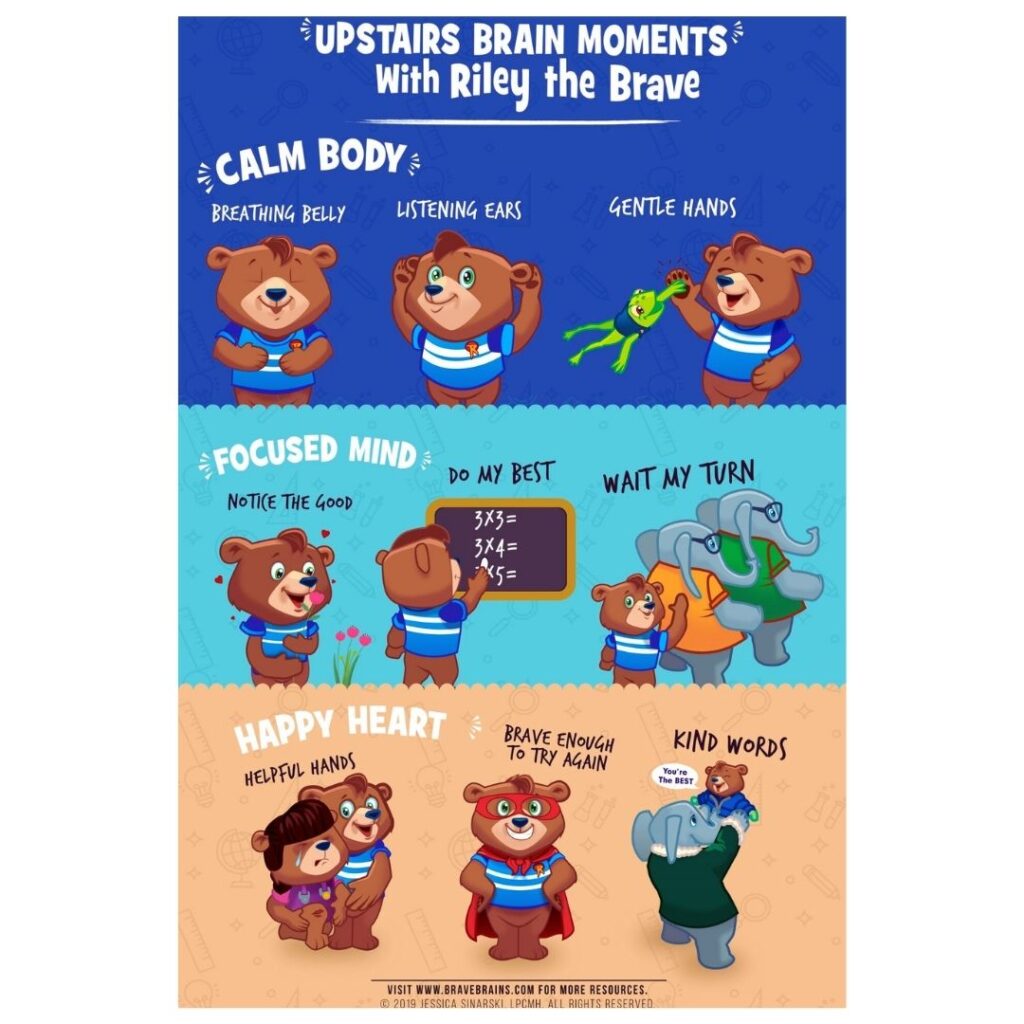
Is it the rational, flexible, creative Upstairs Brain? Or has our survival brain kicked into action?

Validate the brain’s protectors.
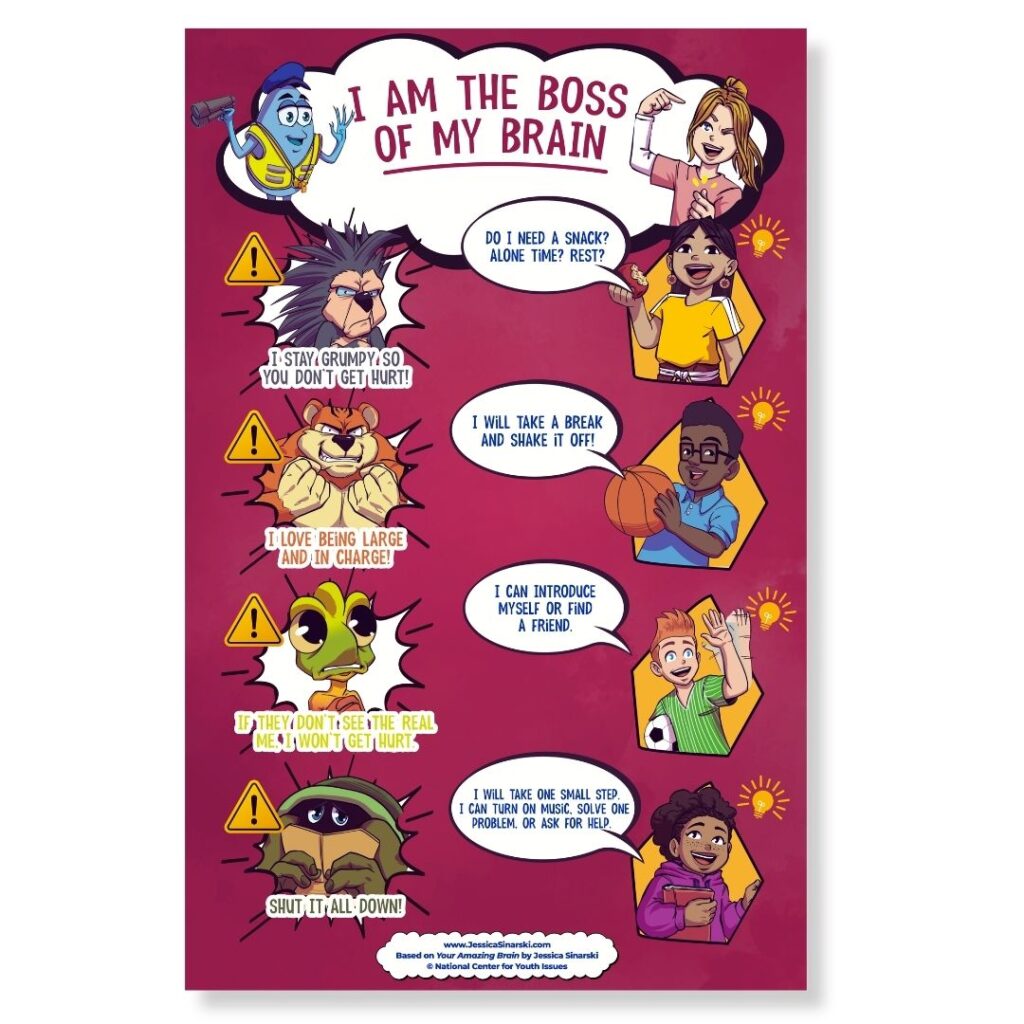
No part of the brain is bad, including my shut-it-all-down Turtle Protector. Instead of white-knuckling my way through the moment, I was trying to notice what that part of my brain actually needed – lying on the floor.
There are absolutely times when that’s not an option, and I have to muster a little Upstairs Brain power and Tiger ‘get-it-done’ energy to power through.
But that can’t be the whole way I lead or we will end up with a pretty toxic work environment. I need to start noticing what’s happening inside before I can effectively implement the last letter of the framework.
Elevate: Keep climbing upstairs.
Steady, unsteady, steady again. That’s the subtle rhythm of authentic leadership.
No one stays in their Upstairs Brain all the time. Not kids. Not leaders. Not parents. Not teachers.
The goal is noticing when we’ve gotten knocked off balance and then finding our way back upstairs again.
One B.R.A.V.E. step at a time.
>> Try This
(1) Notice your speed.
Talking faster, interrupting more, rushing through a meeting, or feeling desperate to “get everyone on board” can all be clues that your brain is sliding into protection mode.
(2) Check your body before your words.
Clenched jaw? Tight shoulders? Upset Stomach? Bouncing Leg? Sometimes your body notices overload before your thoughts do. sentences about a favorite (albeit off-topic) pastime, let’s notice when connection mode is engaged even a little.
(3) Build in tiny resets.
- A sip of water
- A longer exhale
- Standing up for a quick stretch
- Relaxing your face
- A moment in nature
- A little music
BONUS: When we normalize the little nervous system things that help us do the big leading-the-room things, our whole team feels the impact.
>> Listen In
In this conversation with Angela Kelly on The Empowered Principal Podcast, we dove deeper into emotional literacy, nervous-system overload, and the kind of leadership that helps school communities thrive.
>> Go Further
Tiny BRAVE moments can change the tone of an entire school culture. Yes, brains get protective, but no part of the brain is bad! That’s why one of the learning objectives at our train-the-trainer is to “practice the self-reflection and regulation needed to support staff through the process of change.”
Interestingly, this is often one of the areas where participants rate themselves highest before the training begins.
And yet by the end, those ratings consistently rise.
I think part of that shift comes from realizing regulation is about much more than staying calm or pushing through. It’s about noticing:
- urgency
- defensiveness
- shutdown
- rigidity
- overwhelm…
and the other ways stress quietly shapes our leadership.
And teaching staff to do the same.
If you are interested in learning more, we would love to have you join us for an upcoming Behavior Rewired Train-the-Trainer event.