



When I first started working in foster care, it wrecked me. So much uncertainty and grief. So many needs going unmet. Things seemed pretty hopeless, and I never felt like I was doing enough.
It usually took a good two hours of crafting and sitcom reruns before my brain and heart could settle each night. One of the shows I had on repeat at the time was Friends.
>> Brain Goggles On
Our brains love stories. It’s part of why love songs, movies, books, and even reality TV shows exist. Stories help us learn and build empathy. They also help us understand ourselves more fully.
In fact, your brain is constantly creating an internal story about yourself, based on both present and past experiences.
But even at the best of times, our brains aren’t very objective with their storytelling. Friends episodes are named in a more objective way:
- The One After the Super Bowl
- The One Where No One Is Ready
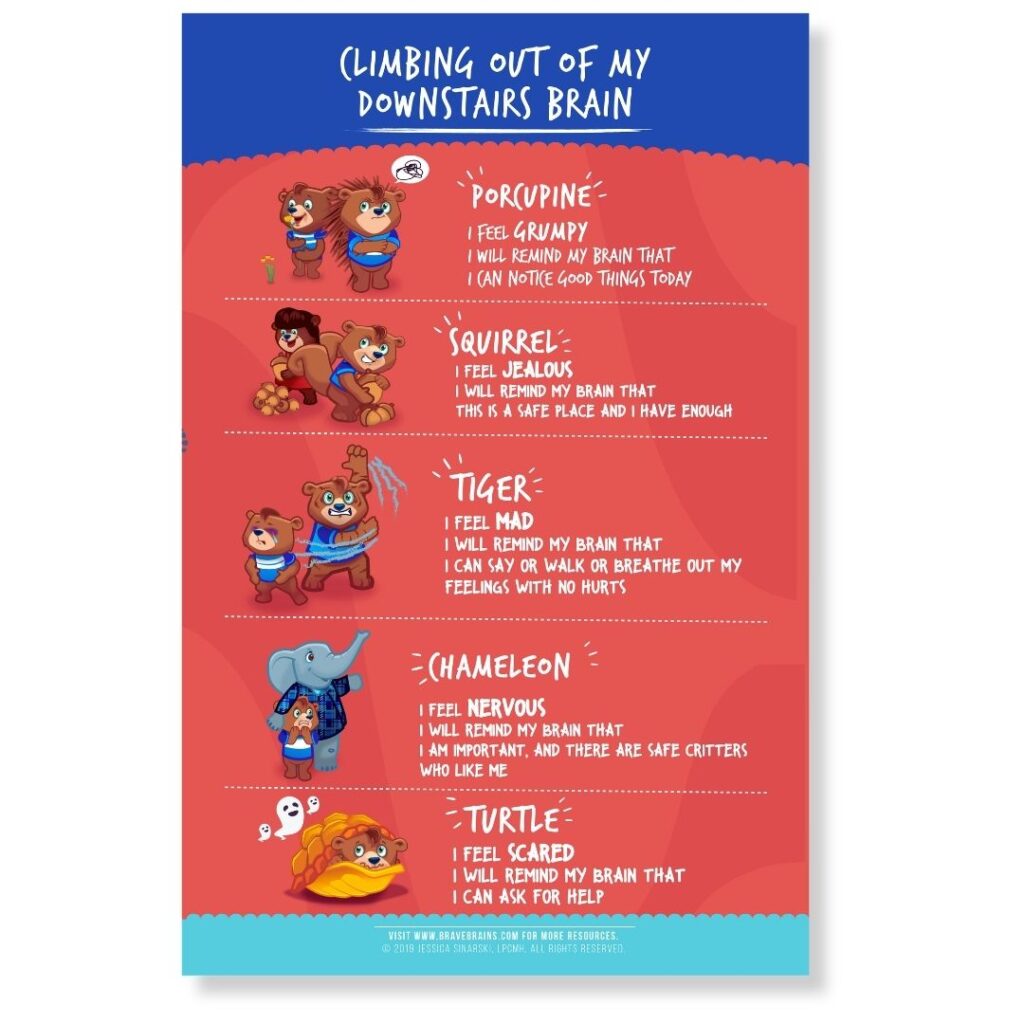
When our Protection Mode gets loud, it can be a very convincing storyteller. A mistake becomes, “I can’t do anything right.” A hard season becomes, “Nothing ever changes.” One frustrating moment can suddenly become, “Everything is hopeless.”
Sometimes we need our Upstairs Brains to help tell a truer story.
A therapist friend of mine, Pam Louie, shared the idea of using the Friends episode naming technique to wake up the Upstairs Brains.
The One Where I Can’t Do Anything Right
>>becomes>>
The One Where I’m Working Really Hard and Getting a Lot of Things Right
The One Where I Can’t Do Anything Right
>>becomes>>
The One Where I’m Working Really Hard and Getting a Lot of Things Right
The One Where Nothing Ever Changes
>>becomes>>
The One Where I See That One Small Glimmer of Hope From Today
The One Where Nothing Ever Changes
>>becomes>>
The One Where I See That One Small Glimmer of Hope From Today
The reframe doesn’t take away the hard stuff, but it can lighten the load that your Downstairs Brain is trying to manage alone.
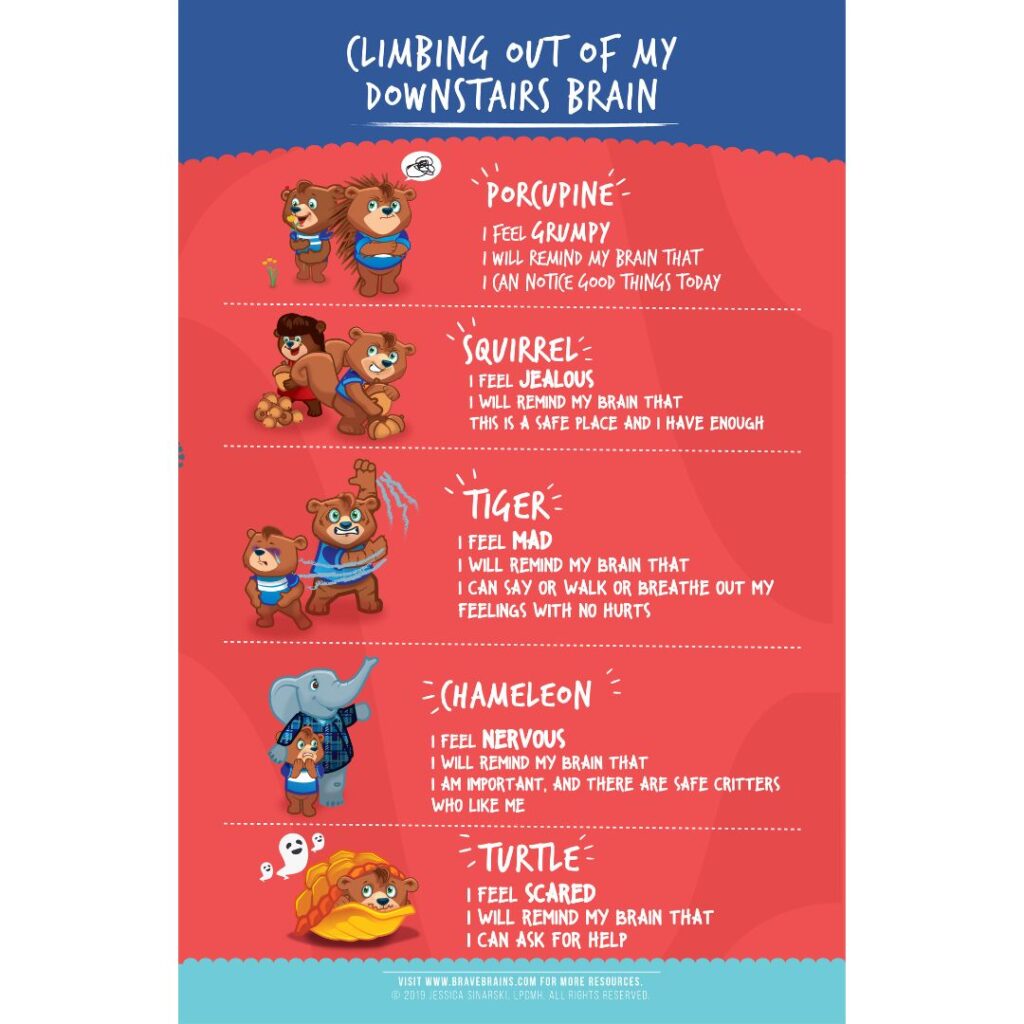
A few months back, during a stressful phase of work, I caught my Tiger and Chameleon Brain going round and round. I opened my journal and rewrote the episode title:
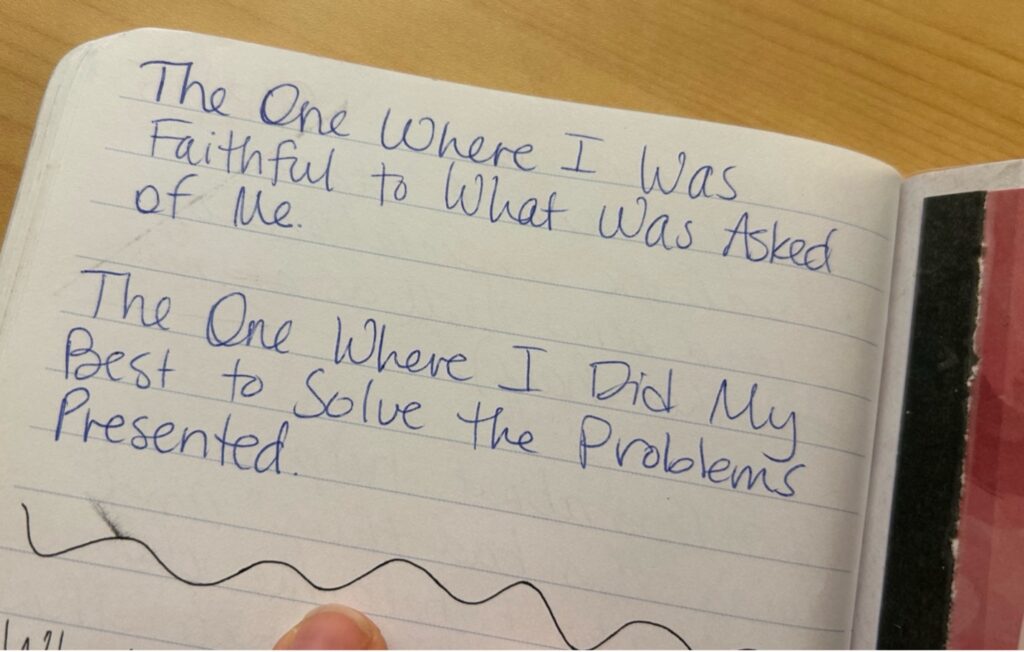
The One Where I Did My Best to Solve the Problems Presented
>> Try This
Rename the Episode
If your brain has been busy critiquing, defending, or second-guessing lately, maybe it’s time to rename the episode.
What is your brain calling today?
The One Where I’m Failing?
The One Where Nothing I Do Matters?
What other titles might be true? What is the fuller picture of what is happening right now?
- The One Where I’m a Great Mom Doing Really Hard Work
- The One Where I Keep Showing Up
- The One Where I Team Up with People Who Can Help
I hope this practice brings a little lightness as you keep finding your way through the heavy parts of life.
>> Listen In
Attachment Science in Action
Listen in on a conversation between me and my friend (and fellow neuro-nerd) Robyn Gobbel, host of The Baffling Behavior Show.
We talk about what changed for both of us when we stopped trying to find the perfect technique and started paying closer attention to attachment, nervous systems, and what behavior is communicating.
You’ll hear more about:
- Why good strategies sometimes don’t reach the part of the brain that is hurting
- What it looks like to move beyond a purely behavioral approach without becoming permissive
- How our own protection modes can show up when we’re trying to help
- The surprising relief of realizing we don’t have to have all the answers
>> Go Further
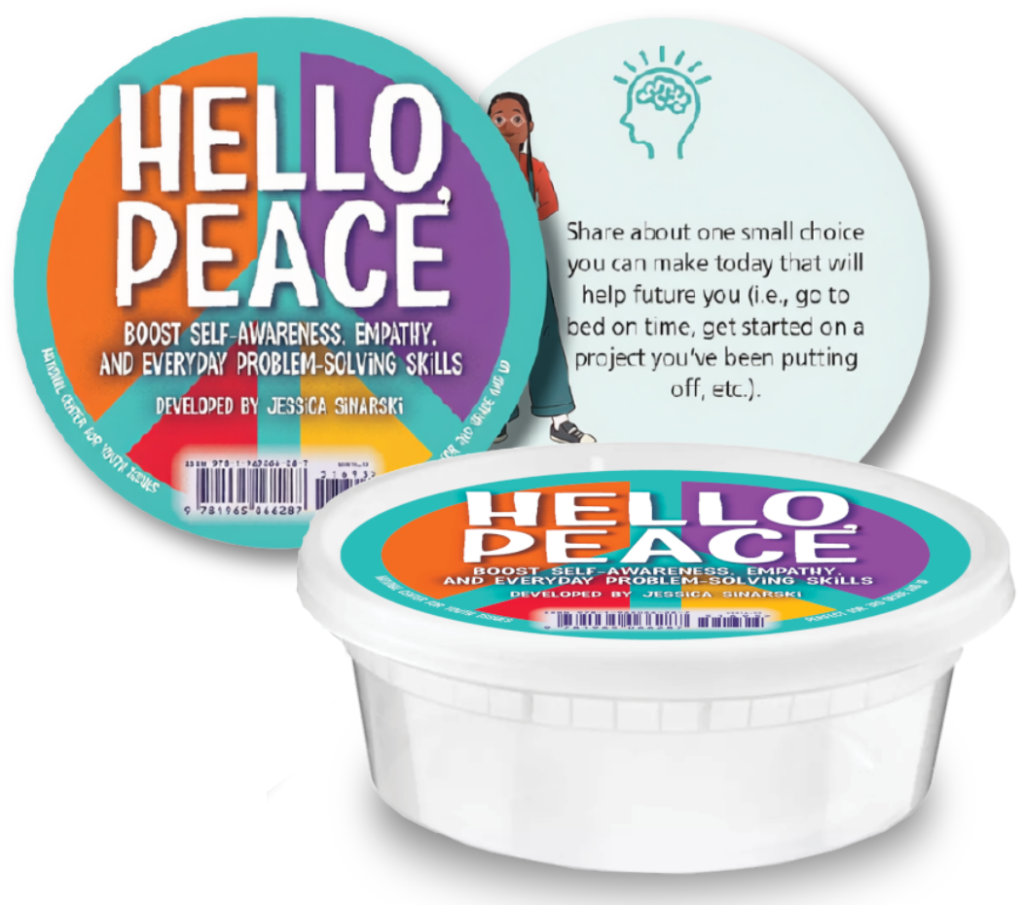
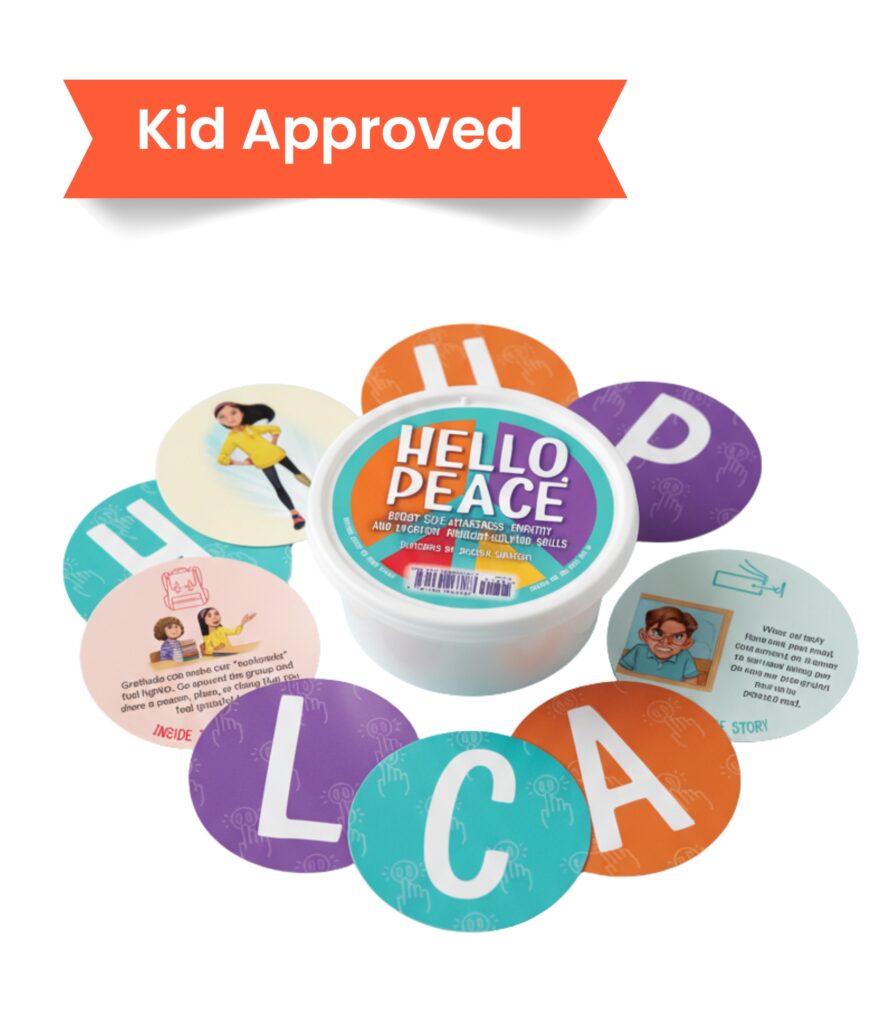
Want a playful way to explore the stories our brains tell? Hello Peace helps kids (and grown-ups!) notice moments of hope, joy, connection, and peace—even when hard things are still true.
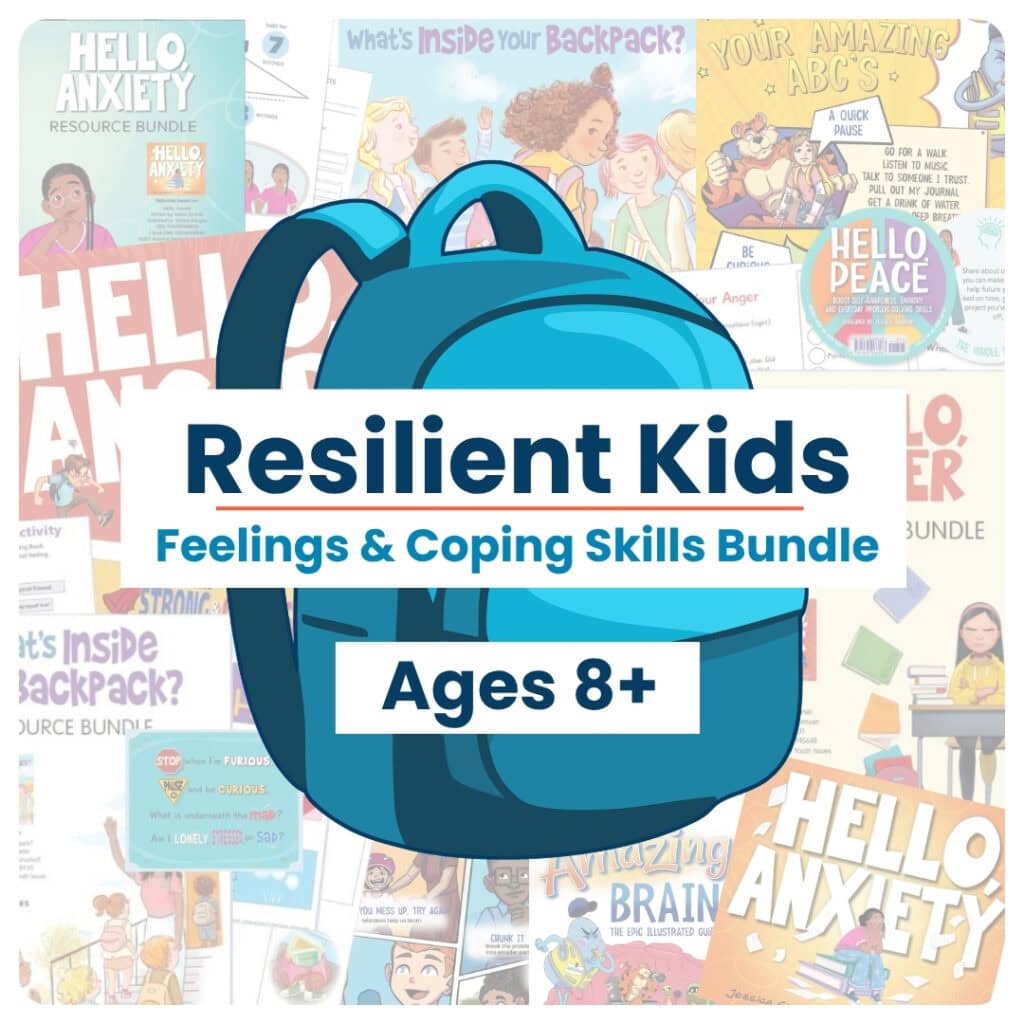
It’s part of the Your Invisible Backpack series, designed to help ages 7 and up understand emotions, reduce shame, and find their way back to their Upstairs Brain.
Learn more at BraveBrains.com/backpack.