


Last fall, I watched a director of special education stand in front of her staff and casually reference her own Porcupine Brain.
She was talking about the stress of the beginning of the school year, and the room laughed. But you could also feel something soften. There were teachers in the room who had been on the receiving end of some of those prickly moments, and it doesn’t feel good.
But we’re all human. And humans have Downstairs Brain moments.
When adults can acknowledge their own protective brain states without shame, it changes the conversation. That’s why I lovewhen school leaders start using the brain language for themselves.
Not just for students.
Because naming our protective brain states without shame is often the first step toward getting unstuck.
It doesn’t mean everyone magically feels calm or perfectly regulated. It’s just a first step toward Upstairs Brain power.
Then we can say, “I need a breather,” before continuing a meeting that is going nowhere good.
Maybe we are able to pause before sliding into a power struggle.
Or we repair after our stress-y reactions hurt someone else (no, I don’t think stress-y is a real word, but it’s definitely one I’ve used with my own team during tough seasons).
That’s why I still love this simple Roll & Share Brain Game after all these years.
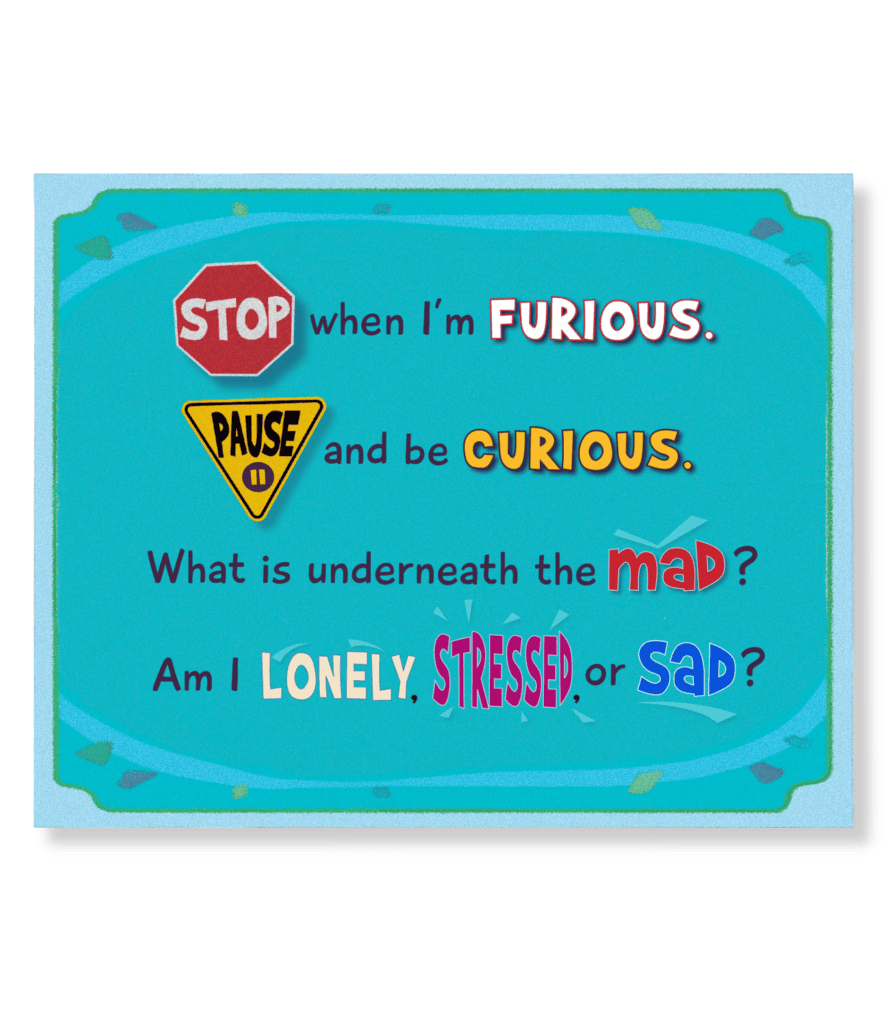
It gives kids AND adults a playful, accessible way to talk about what’s happening underneath behavior.
>> Brain Goggles On
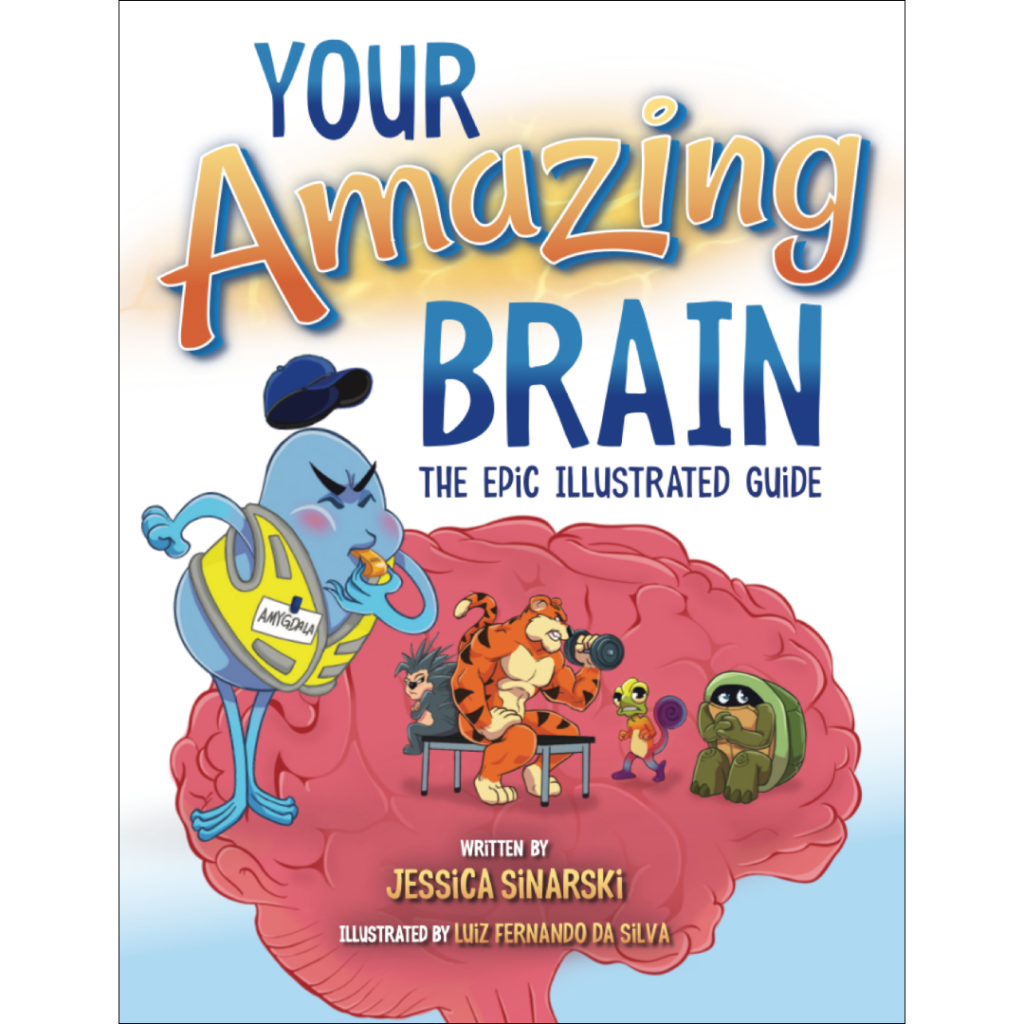
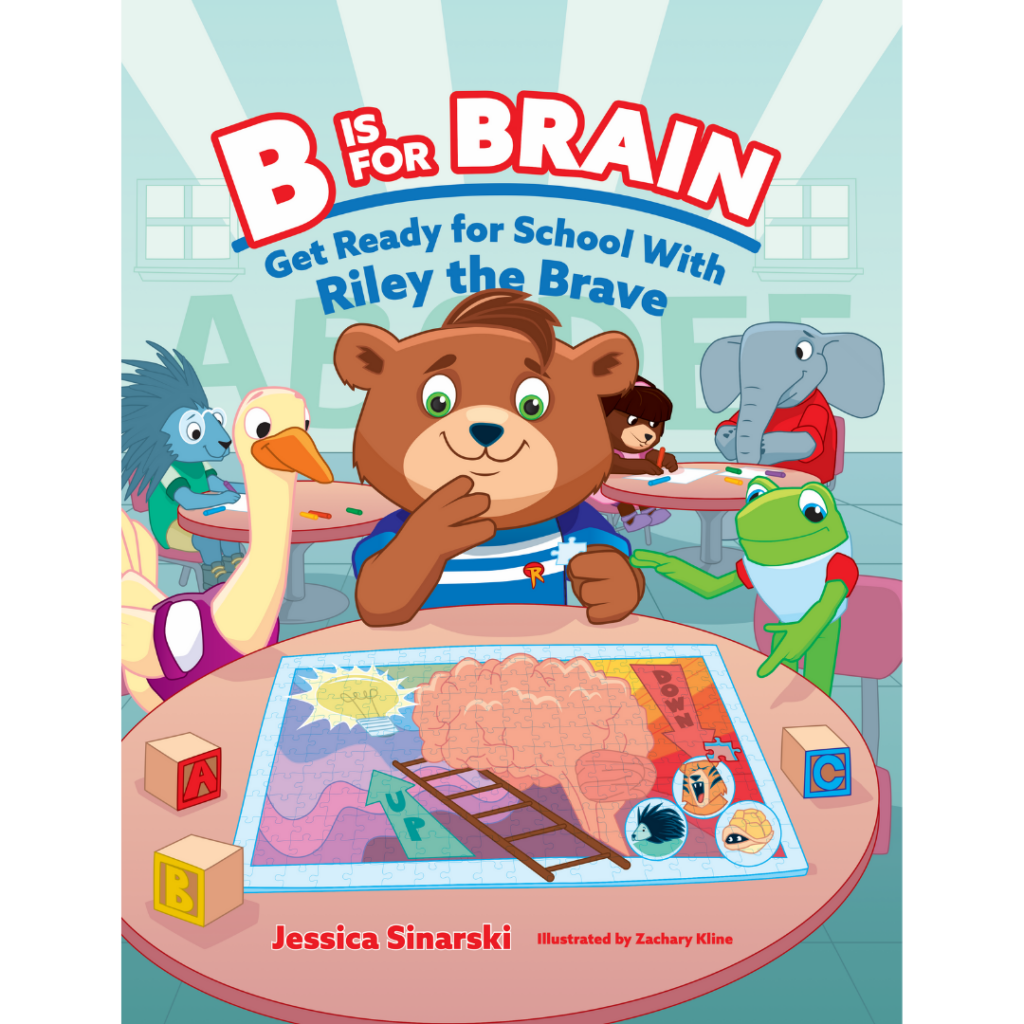
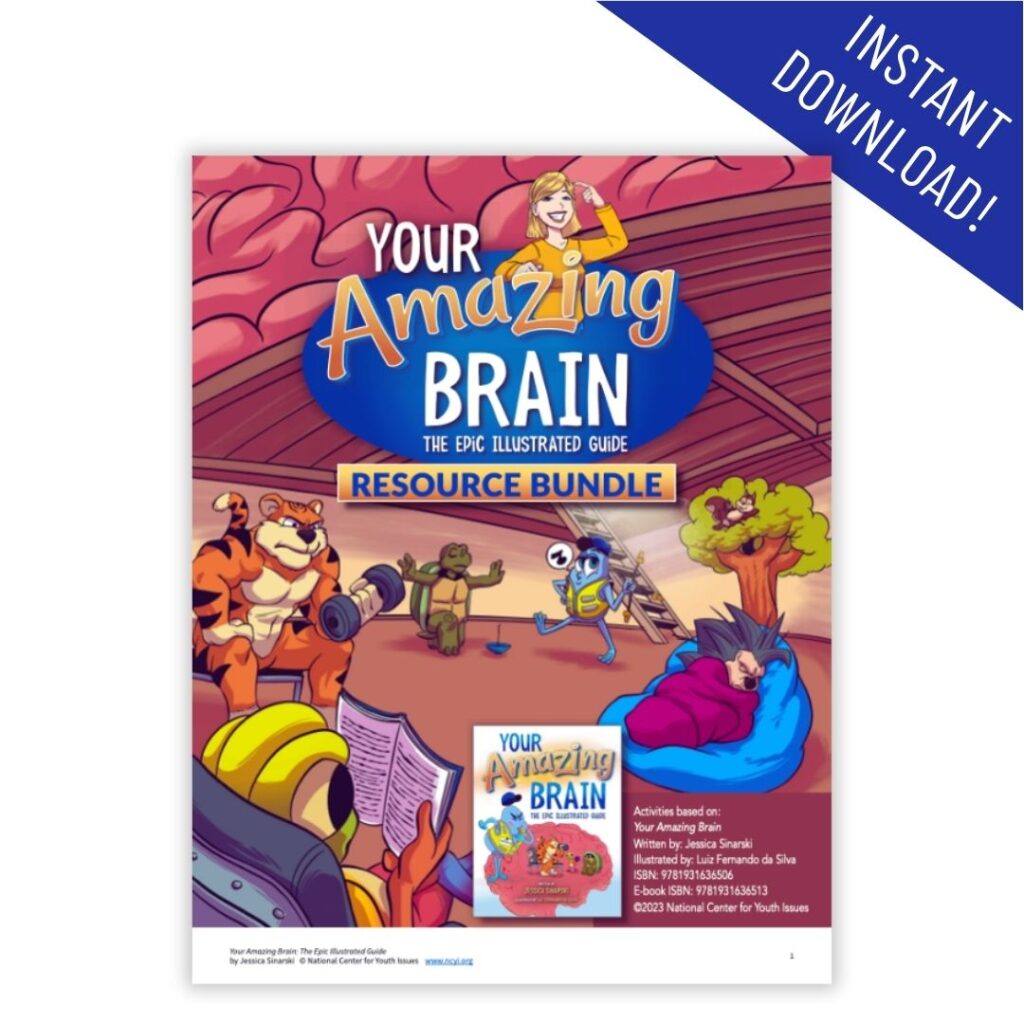
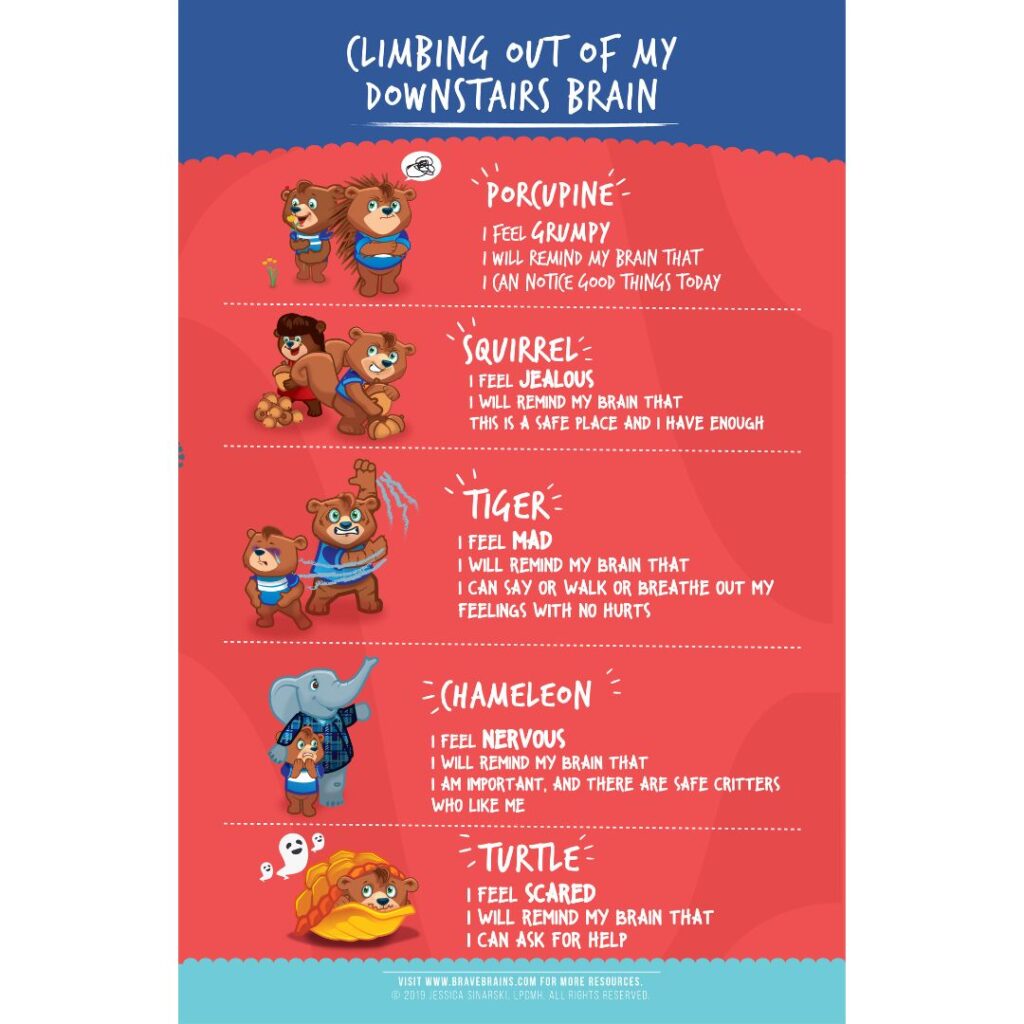
One of the things I love most about the brain animals is that they give us “x-ray vision” for behavior.
Instead of only seeing the behavior of arguing, complaining, or shutting down, we start wondering what might be happening underneath.
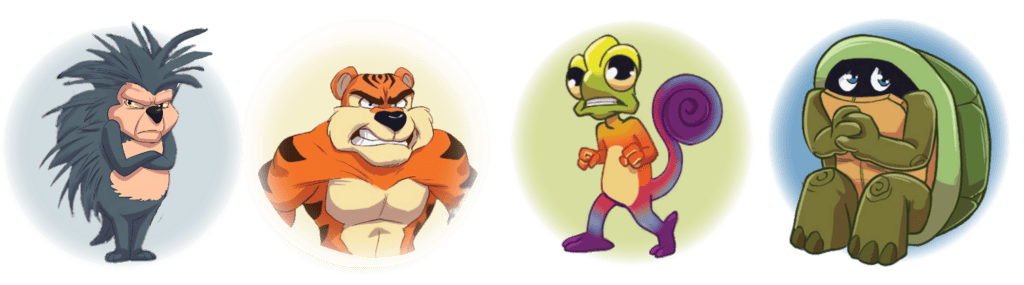
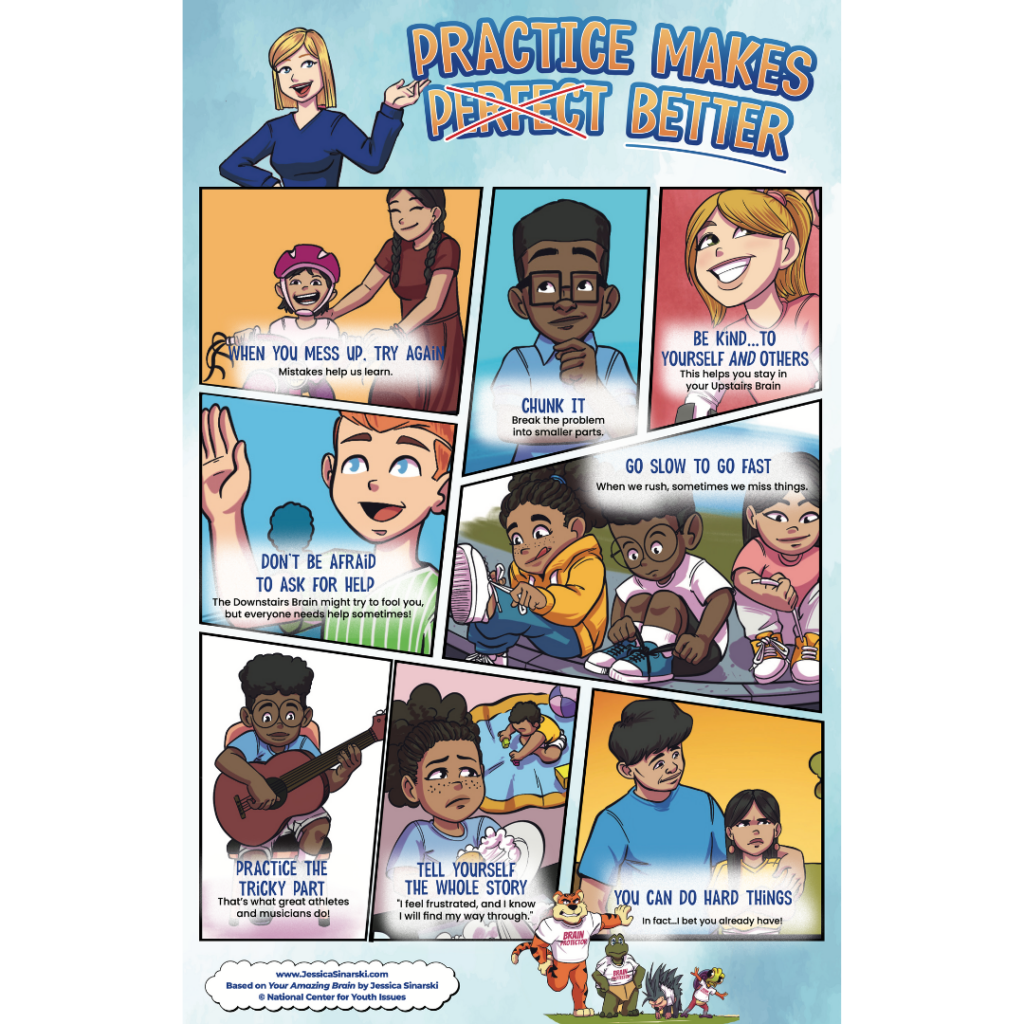
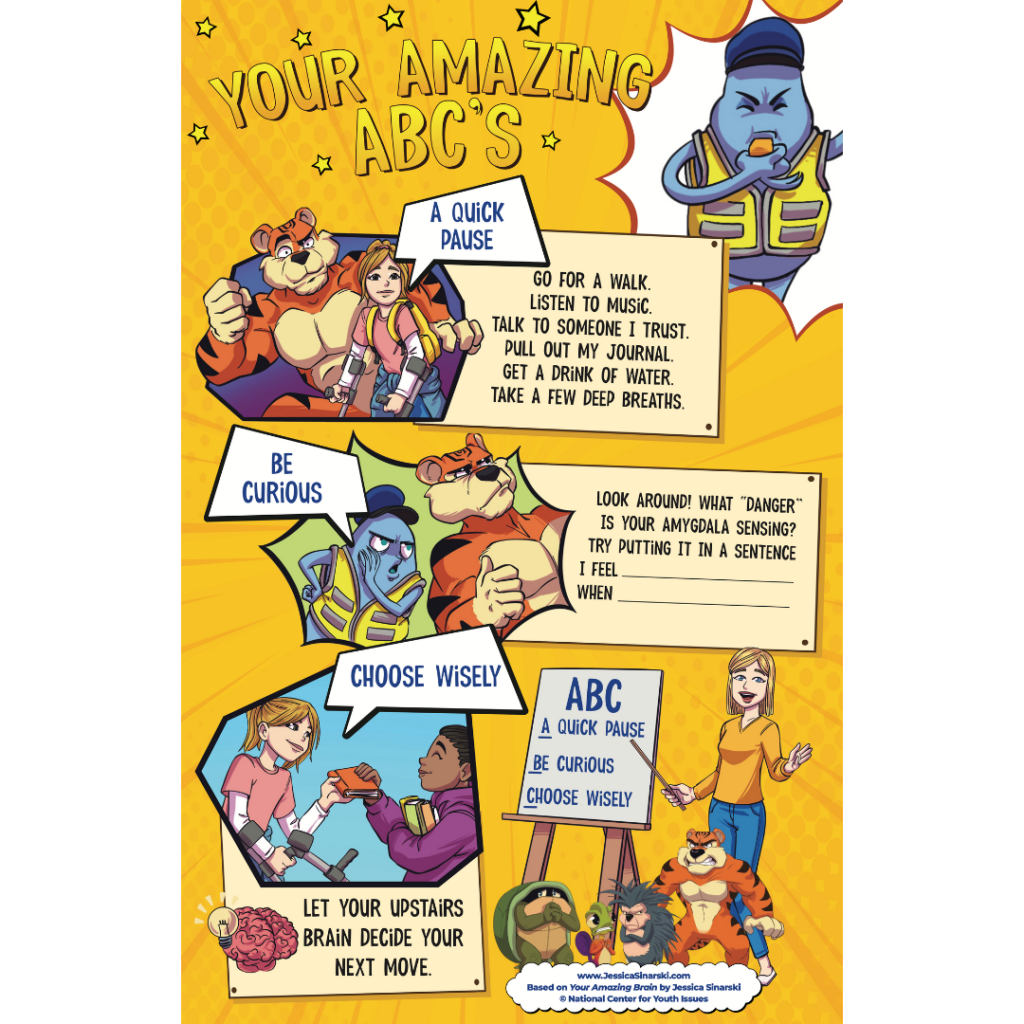
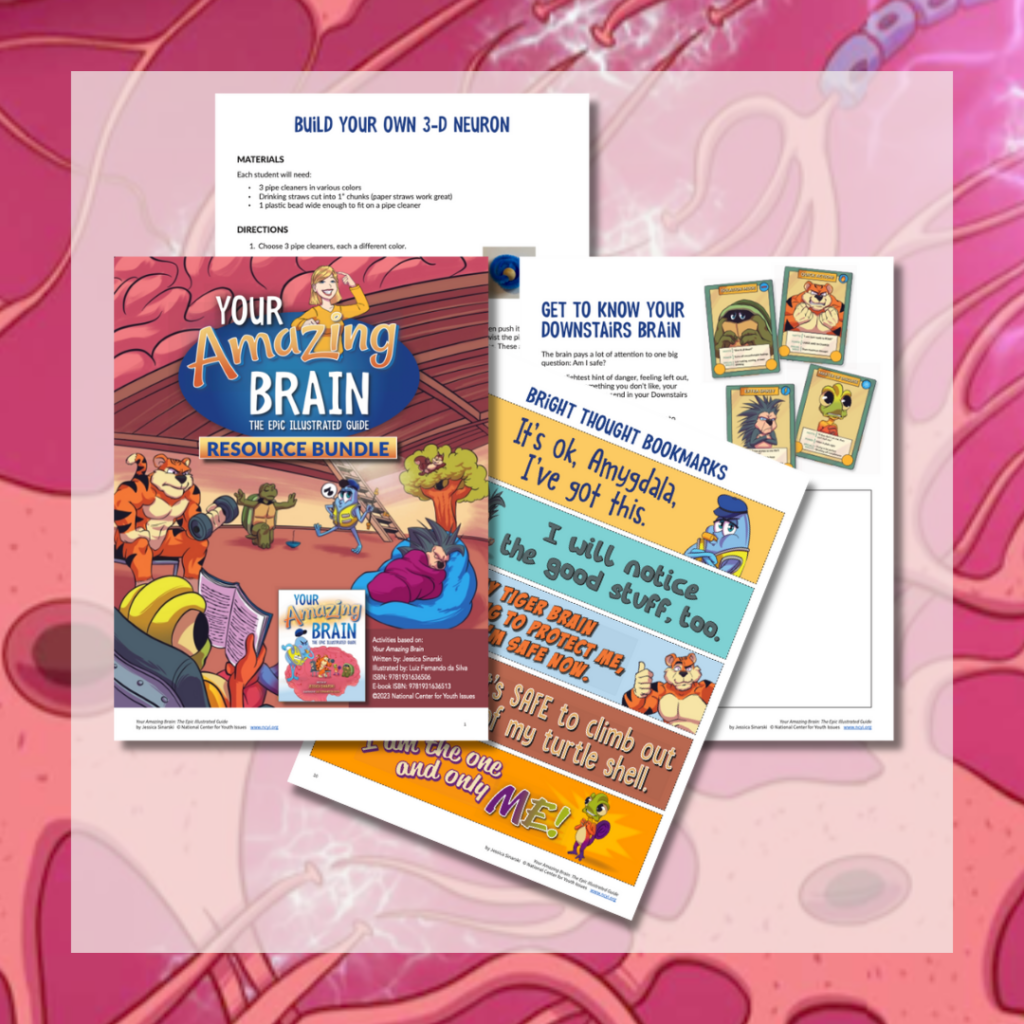
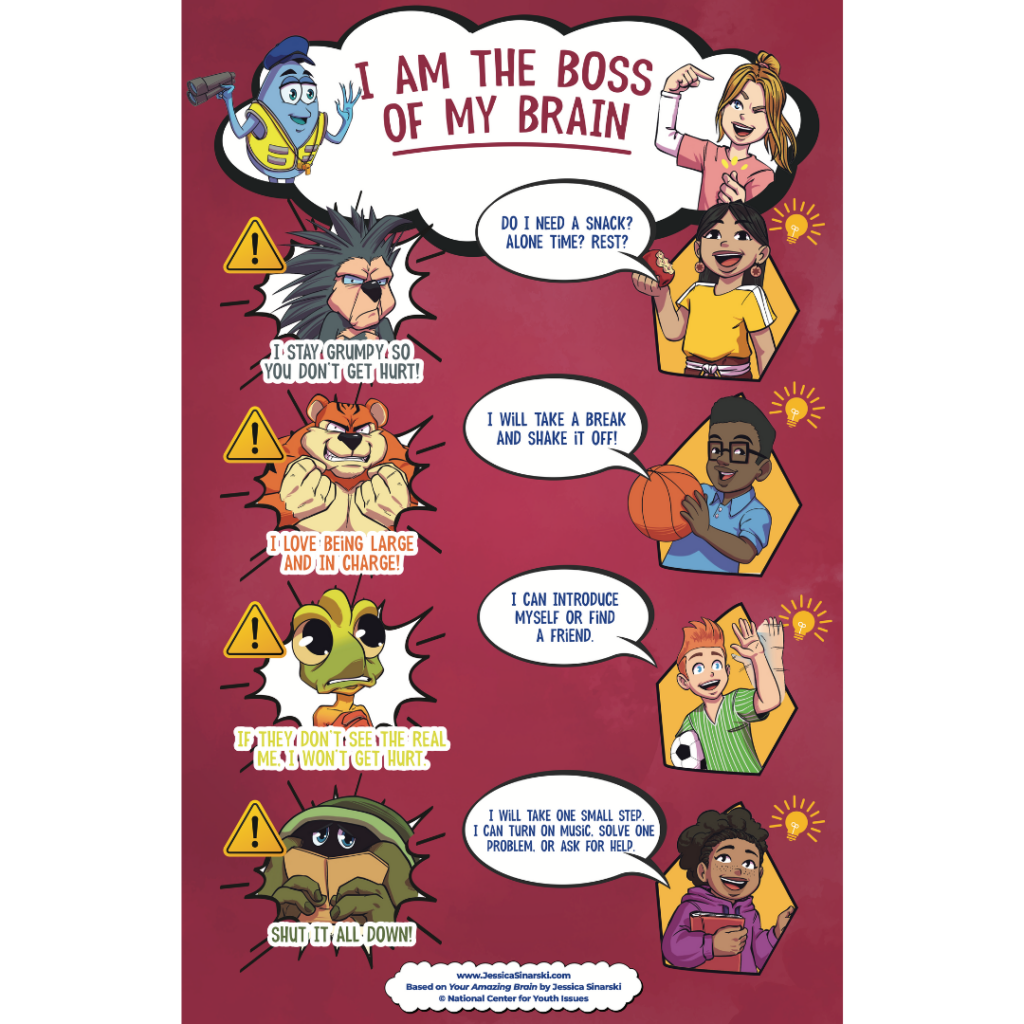
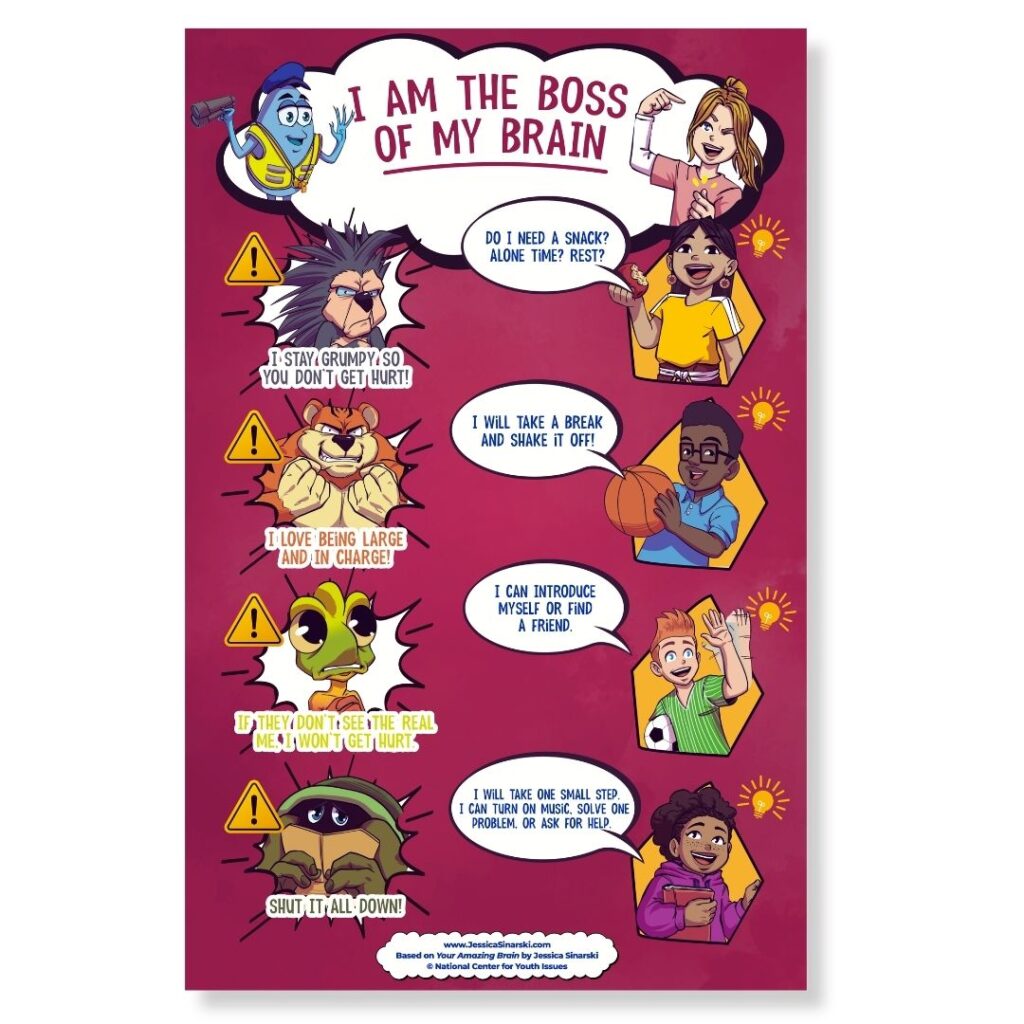
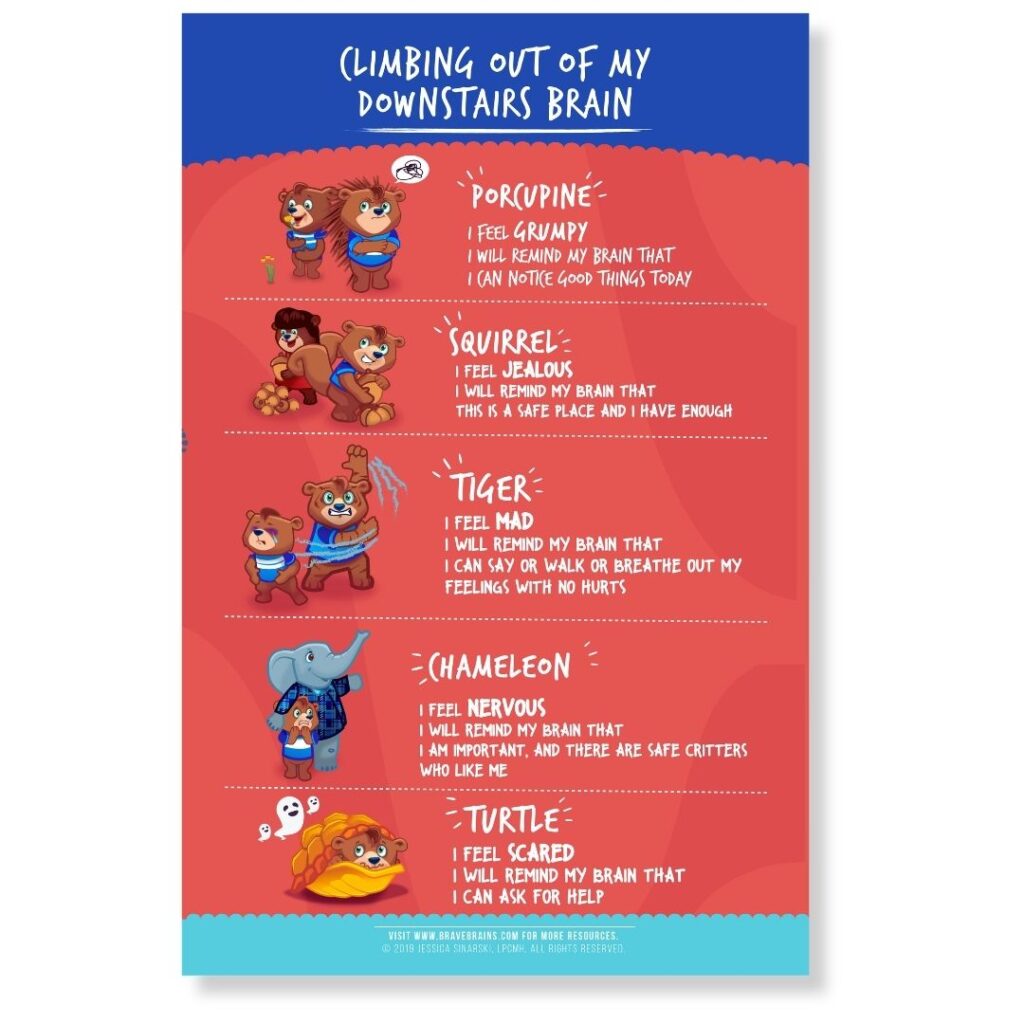
🐅 Is this a Tiger Brain trying to regain control?
🐢 A Turtle Brain shutting down?
🦎 A Chameleon Brain working overtime to fit in?
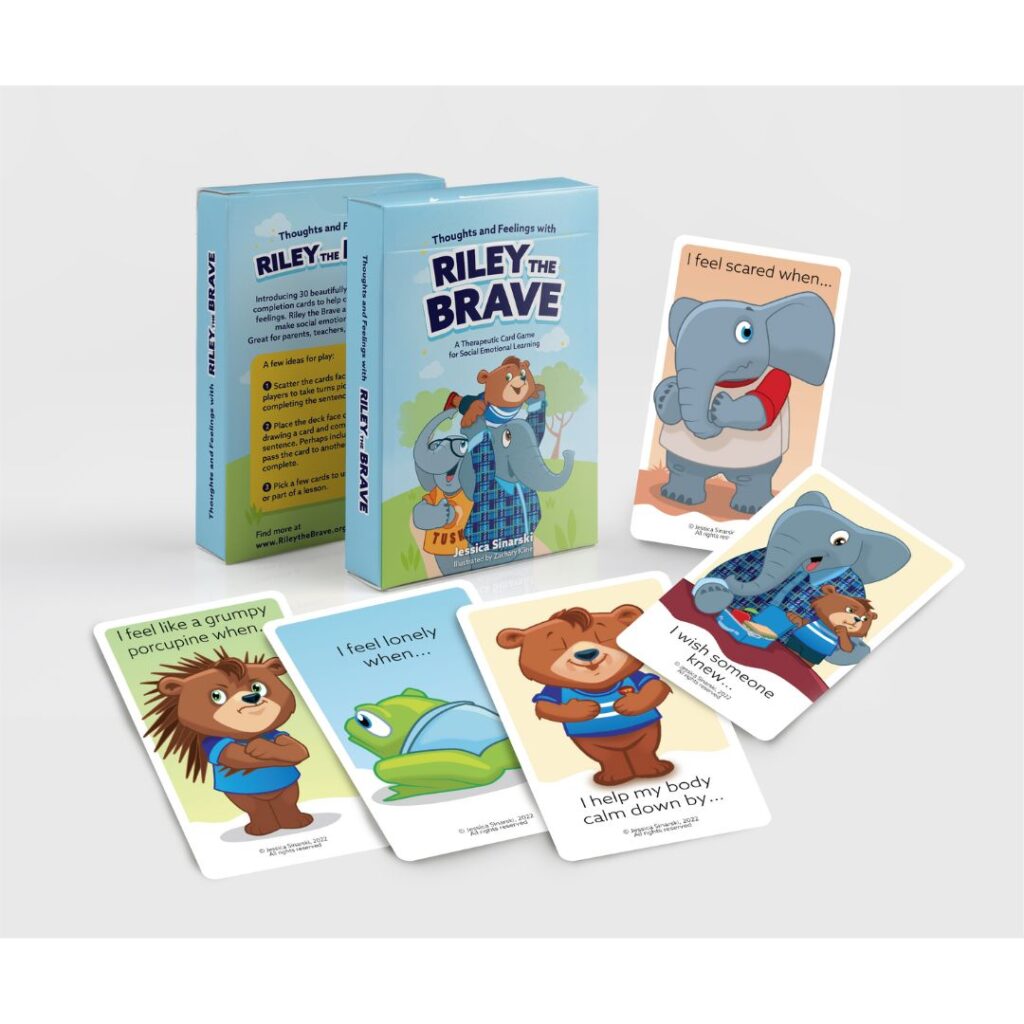
🦔 A Porcupine Brain protecting itself before someone gets too close?
This is the power of putting on our brain goggles. When we can recognize protective brain states in ourselves and others, it becomes easier to respond from our Upstairs Brain instead of getting pulled into shame or power struggles.
>> Roll & Share
One of the things I’ve noticed over the years is that shared language changes culture faster than long explanations do.
When a team can casually say: “My Porcupine Brain is getting loud,” or “I think I’m headed into Turtle mode,” it lowers defensiveness almost immediately.
Suddenly the conversation shifts from:
“What’s wrong with me?” to: “Oh. My brain is trying to protect me.”
The challenges that led to the Downstairs Brain reactions don’t magically disappear, but the energy shifts away from shame and blame and toward connections and solutions.
That’s the power of this Roll & Share Brain Game.
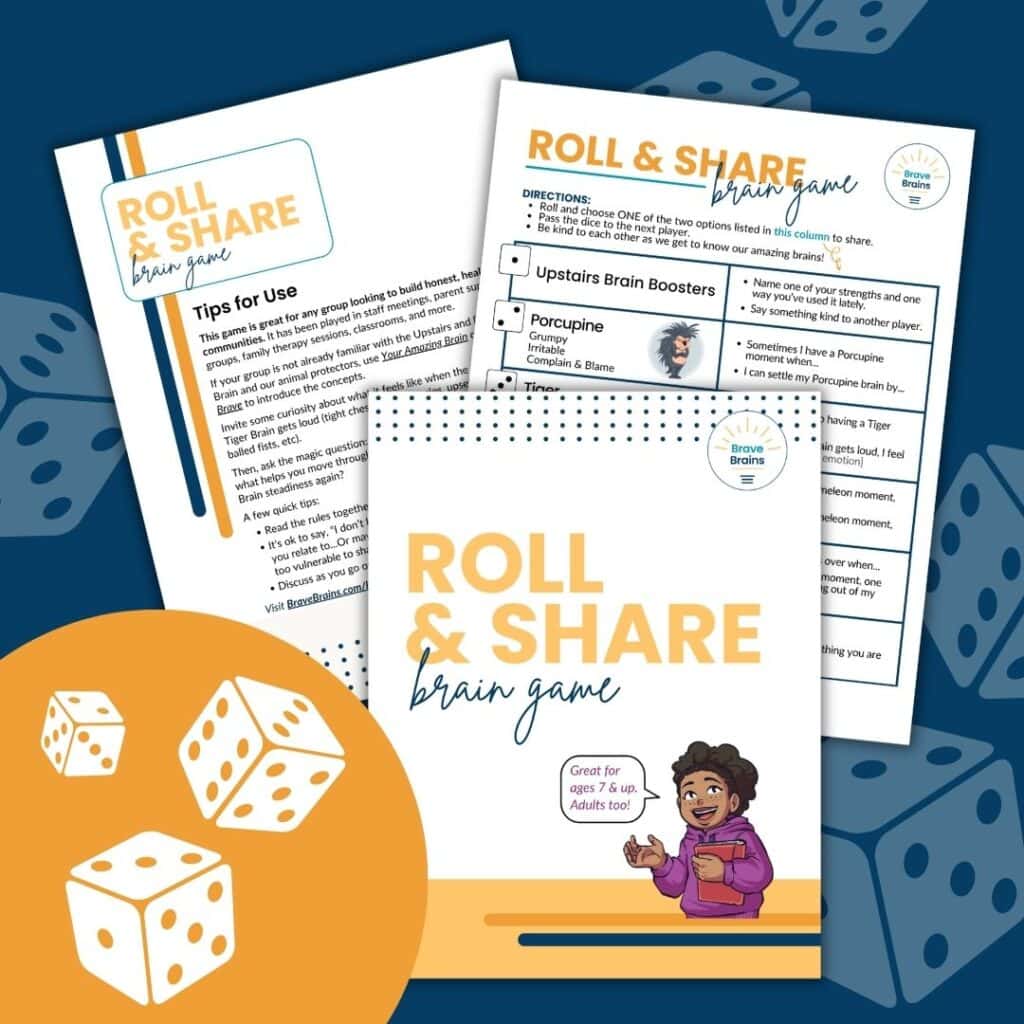
People roll the dice, respond to prompts connected to different brain states, and slowly start building language around what’s happening underneath behavior.
Some groups keep it light. Some go surprisingly deep. Most end up doing a little of both.
Want to give it a try?
Find the free Roll & Share Brain Game in the Powerful Printables library.
>> Go Further
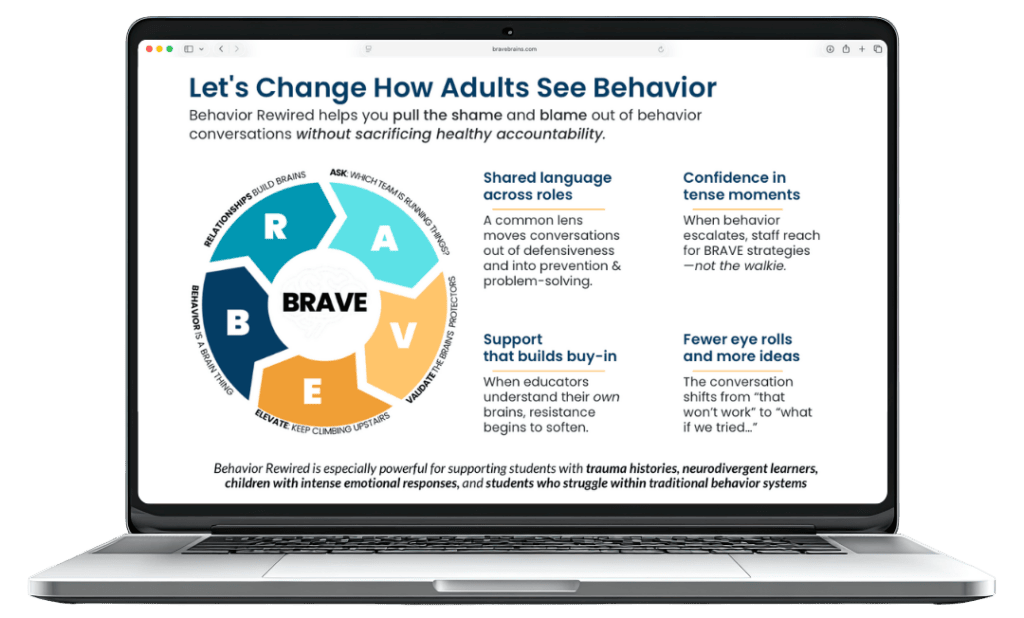
No one is a Porcupine, Tiger, Chameleon, or Turtle. They’re protective brain states all humans experience, and finding safe ways to acknowledge what’s going on under the surface can save us a whole lot of frustration and hurt. This is a core component of the B.R.A.V.E. Framework and the Behavior Rewired approach.
Learn more at BraveBrains.com/BRAVE