


‘On day three of kindergarten, the first phone call came.
“The principal called me,” his mom said. “Apparently, he took a toy back to his desk during reading. His teacher said he was stealing and sent him to the principal.”
He got out of line in the hallway and was sent to the principal’s office again.
Four times in seven days of school, Colby was sent out of his classroom.
The tone continued to be punitive, and the expectations were unrealistic for any young child, but especially a kiddo like Colby.
An emotionally crushed little guy entered my office that Thursday afternoon. We played together as he stuck near his mom. I learned that his latest scolding at school included some yelling and heaps more shame.
>> Brain Goggles On
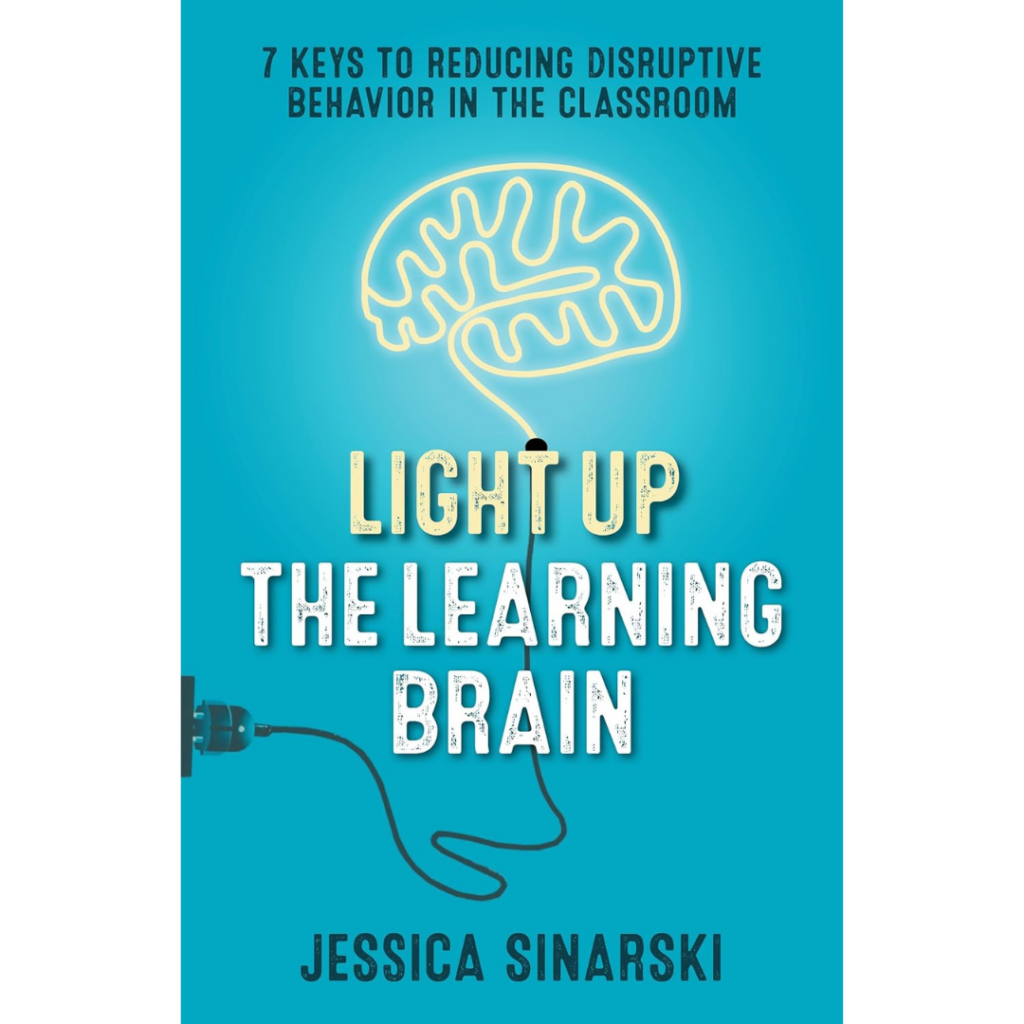
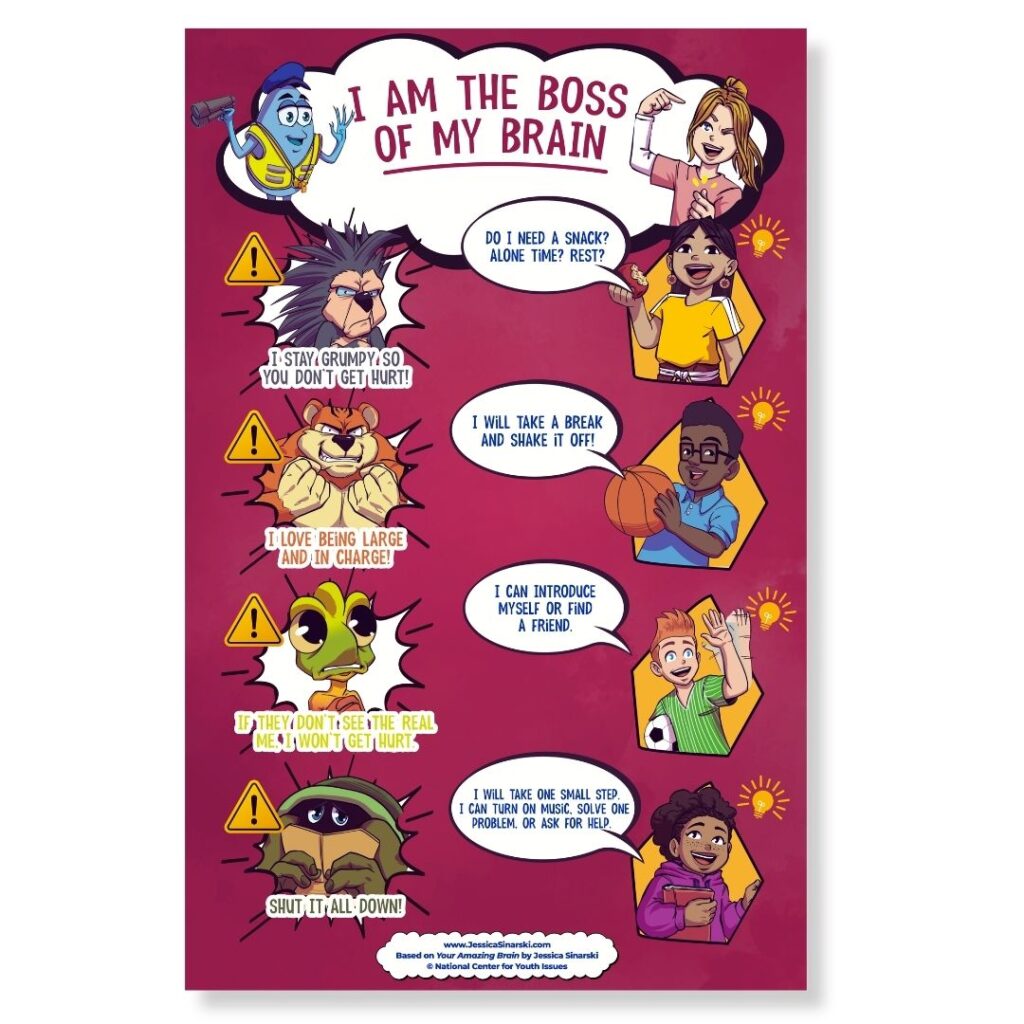
Colby’s experience, featured in Light Up the Learning Brain, is far too common. But what looked like a whole lot of “bad behavior” was actually a brain searching for a way to survive unfamiliar territory.
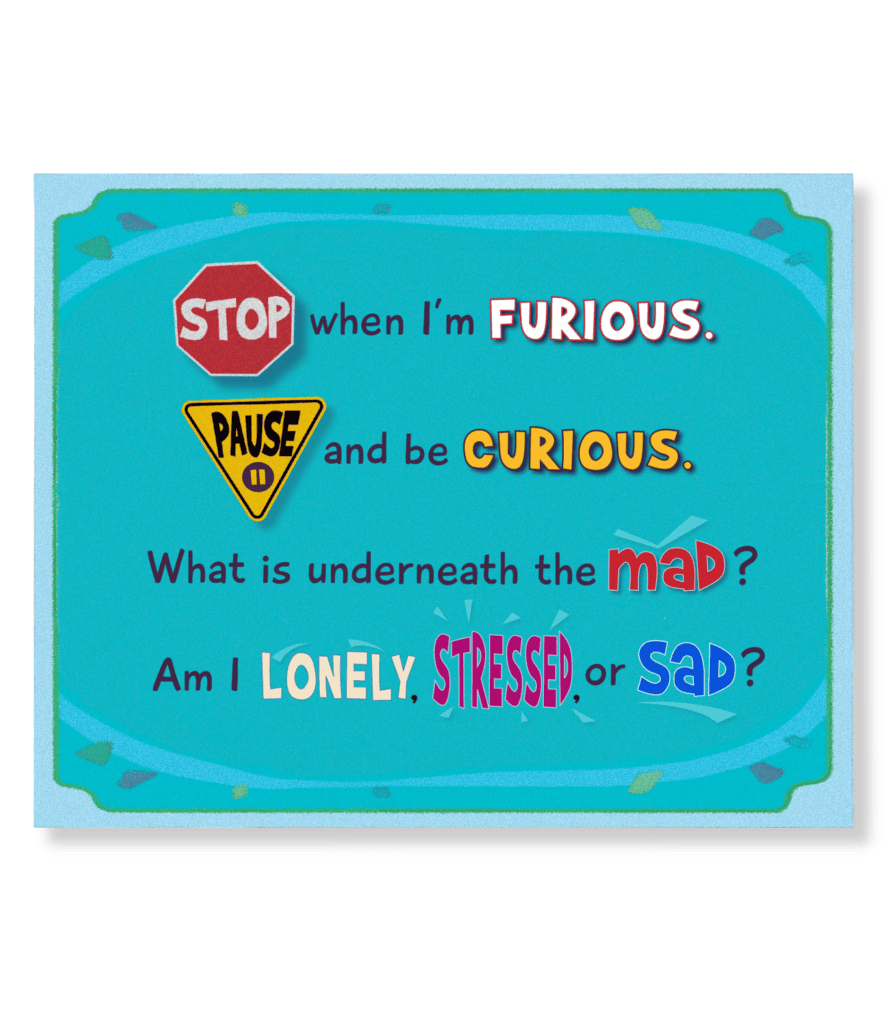
Colby needed safety, clarity, opportunities to move, and loads of support as his neurodivergent brain tried to make sense of the expectations in Kindergarten. Without that, he was stuck in this “mistrust cycle” that is a common experience for autistic and other neurodiverse brains.
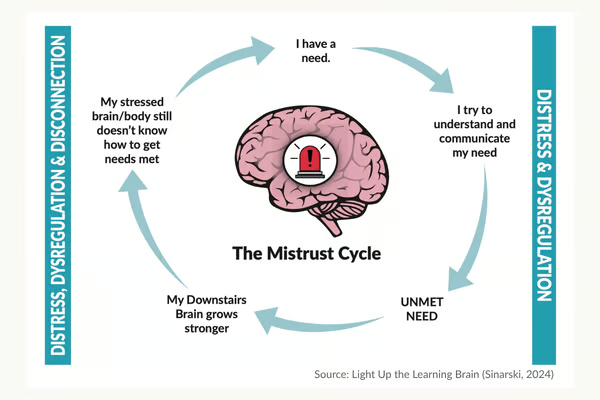
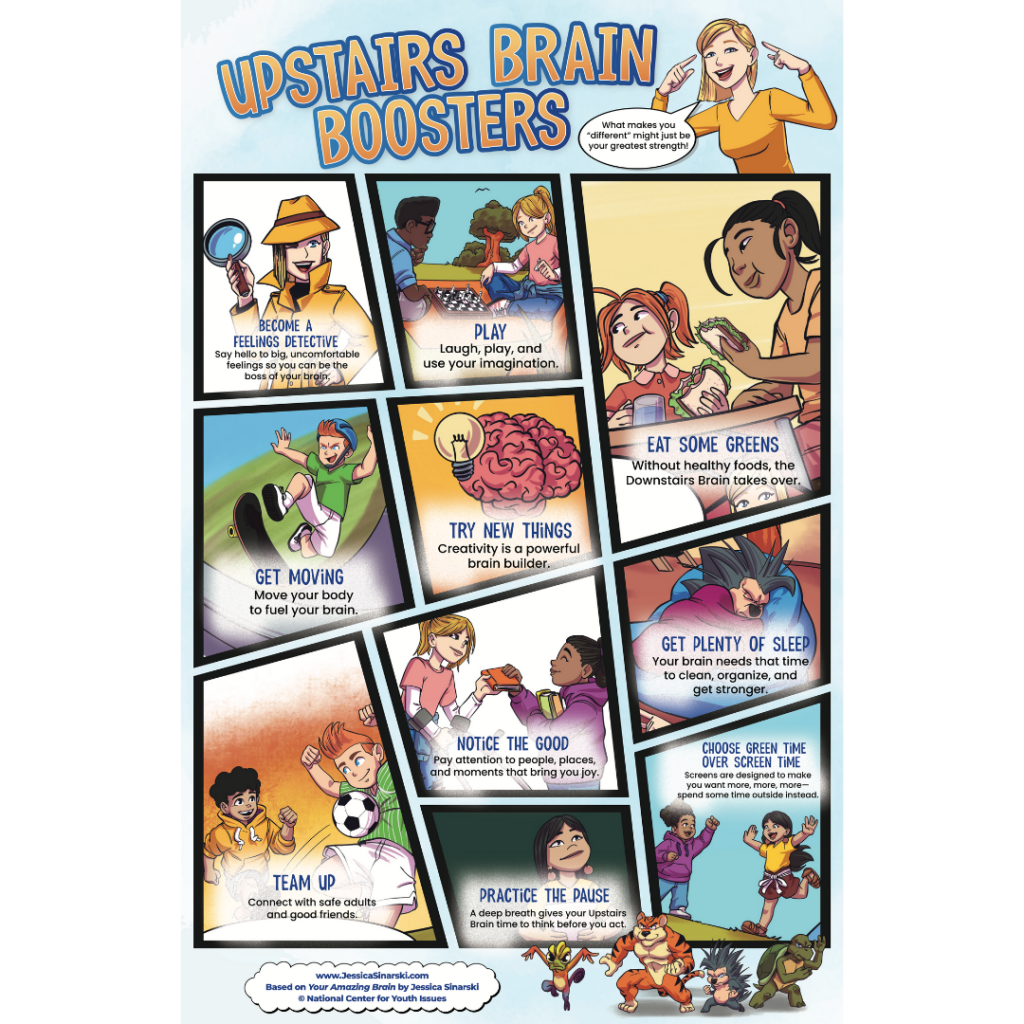
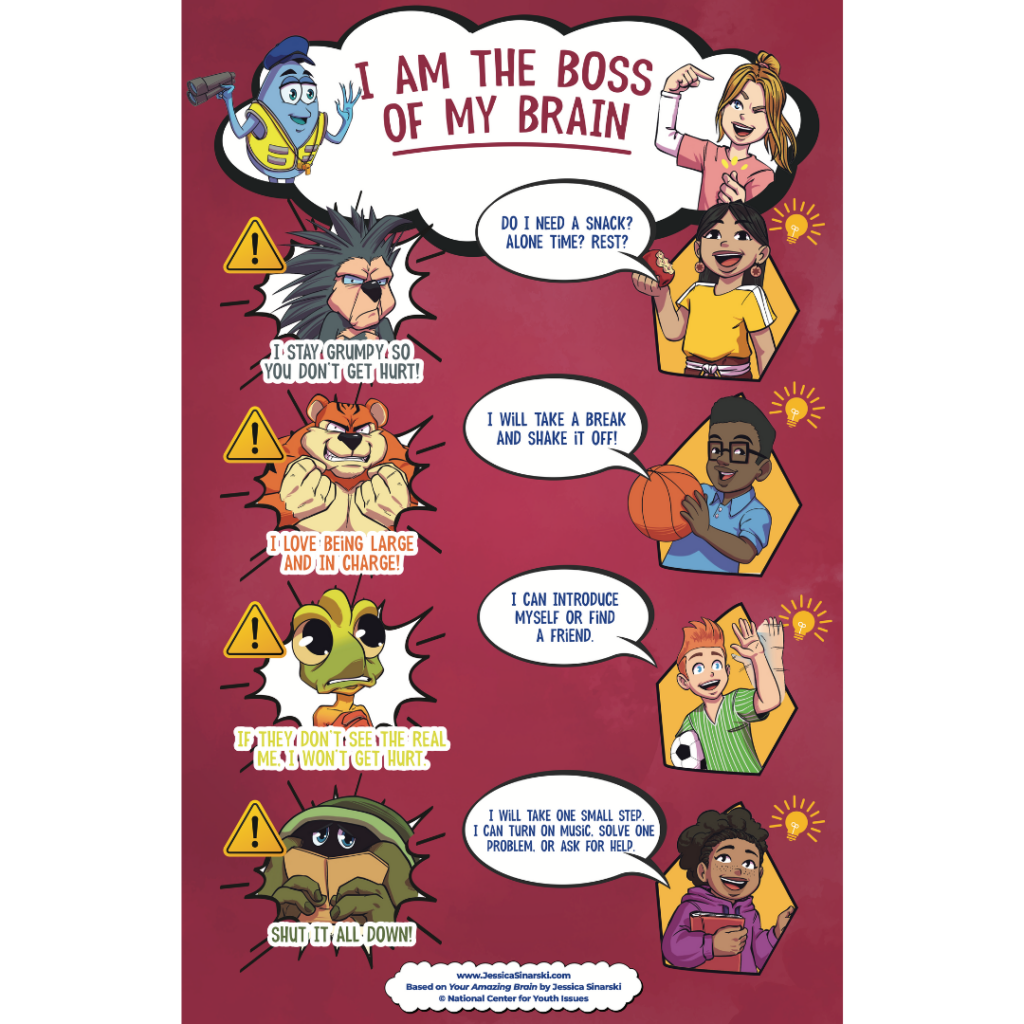
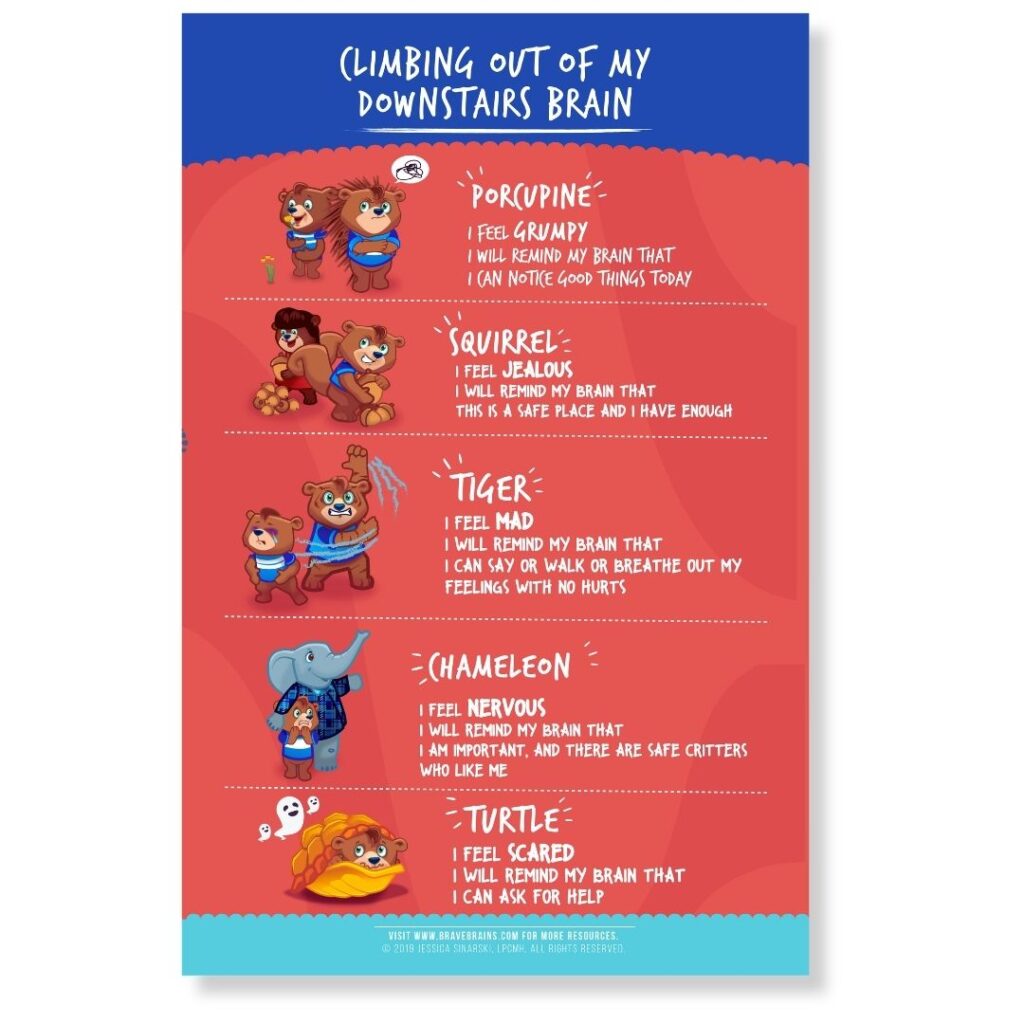
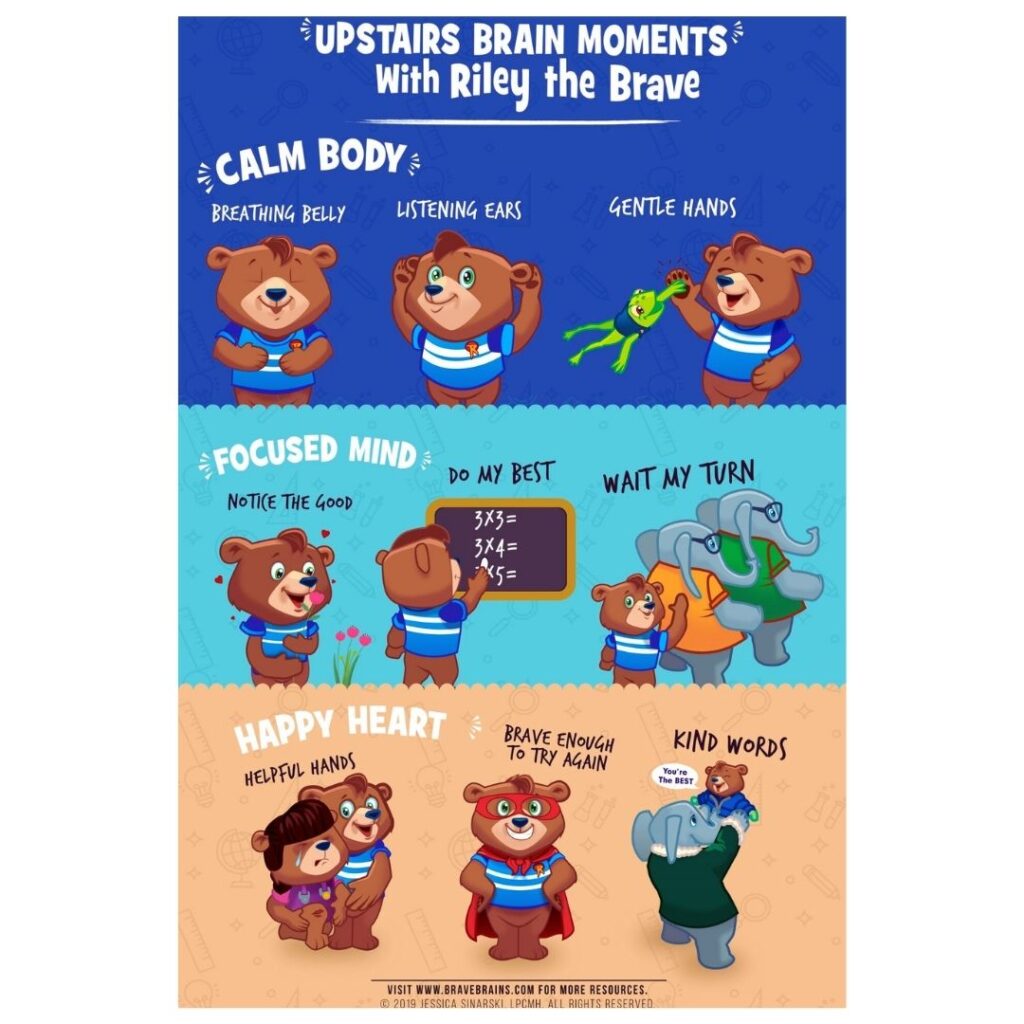
Instead of his needs being met so he could feel some relief and grow connections in his Upstairs Brain, Colby was feeling even more disconnection on top of the distress and dysregulation that were becoming the norm for him.
So how do we respond differently?
In honor of Autism Acceptance Month, I’ve pulled together a few things to help us break out of this cycle.
>> Try This
A few simple, high-impact tips to start building trust with the autistic people in your life.
(1) Normalize the need to stim.
Stimming = Stress Relief. As long as it’s not hurting anyone, let’s make space for stimming.
(2) Honor attempts to communicate.
From grunts and squeals to articulate sentences about a favorite (albeit off-topic) pastime, let’s notice when connection mode is engaged even a little.
(3) Be dependable, reliable, and clear.
Predictability is extremely helpful for the autistic brain. Whenever possible, provide additional support if a change in routine is necessary.
For more tips and insights, check out Kaelynn Partlow and Project Hope Foundation on Instagram.
>> Listen In
Love learning on the go? Here are a few conversations worth your time:
Bridging Brains and Hearts:
Listen in as we discuss the intersection of trauma and neurodiversity
Supporting Students’ Sensory Needs:
A quick chat with tips to create a more sensory-friendly school setting
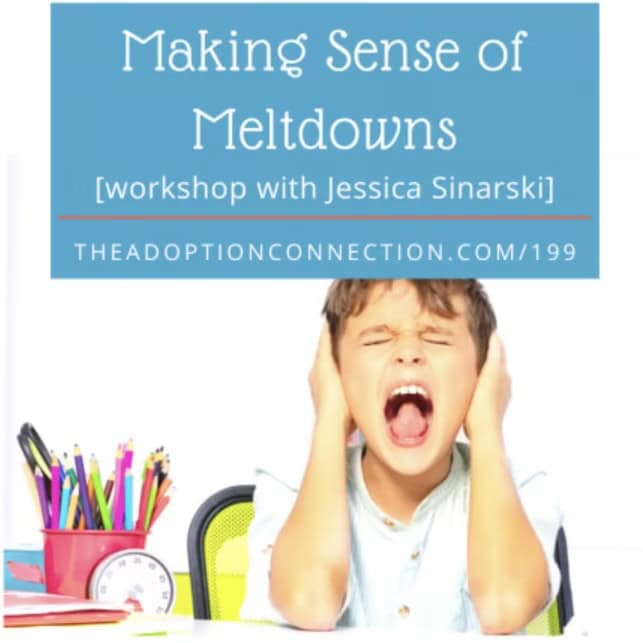
Making Sense of Meltdowns:
Eye-opening look at meltdowns + practical tips for home & school
>> Go Further
I devoured both of these books on Audible and then grabbed the paperbacks for easy reference.
Whether you’re a school leader, a counselor, or a parent/caregiver, both books offer a window into the neurodivergent experience with lots of practical insights and tips, whatever your role.
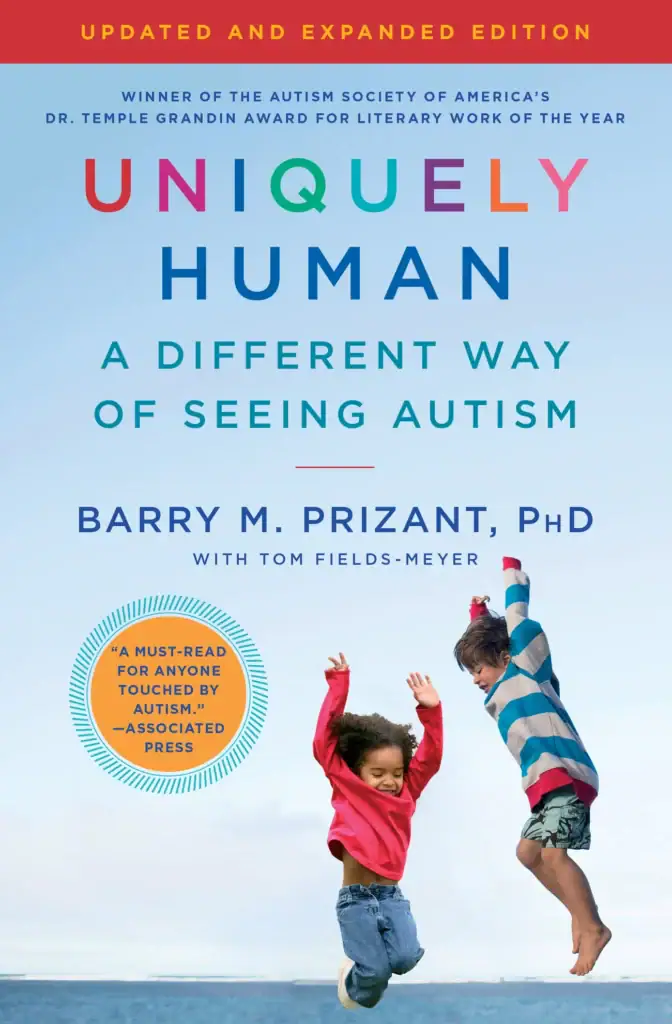
Uniquely Human
by Dr. Barry M. Prizant

Life on the Bridge
by Kaelynn Partlow
Autism comes in all shapes and sizes.
Whether you put one small tip into practice or dig deeper in podcasts and books, I hope this supports your journey with the unique humans in your life.